
If Your Adult Child Is Pulling Away Emotionally, They're Likely Feeling 11 Painful Things
 ViDI Studio | Shutterstock
It can be hard for engaged parents to let their adult children grow up. After all, you've spent 18+ years making sure their needs were met and that they were healthy, and they've always had your back in return.
It can be incredibly painful to feel like your adult child is pulling away emotionally, but there are things parents can do to help bring them closer. First, though, they need to understand the emotional reasons their kids need space.
If your adult child is pulling away emotionally, they're likely feeling 11 painful things
1. You're not taking their struggles seriously
 fizkes | Shutterstock
When teens and young adults feel like they belong and are wanted in their families, they tend to have better overall outcomes. Their parents and families are the first glimpse at the community they have growing up, so if they
While this specific study discusses the adverse physical and emotional effects of growing up with parents that don't offer basic understanding and respect, feeling unheard and devalued at home follows you into adulthood. And that might still be weighing on your adult child and contributing to them pulling away emotionally.
To help bring them closer again, try taking a deep breath and accepting that no matter how silly or irrelevant something seems to you, if it's hard for them, it's real enough to address. If it makes you feel guilty or ashamed, maybe you want to get into some therapy or talk with a trusted friend about how to handle that better, too.
2. You're not communicating in a way your adult child can understand
 PeopleImages | Shutterstock
One of the reasons adult children tend to emotionally withdraw from their parents is the experience of feeling unheard. Their parents may have communication styles that work well with one another, but not with their kids. This could be generational or it could be as simple as personality style differences.
There are four main types of communication styles, including assertive, aggressive and passive as well and passive-aggressive. While passive-aggressive gets the most criticism, a mismatch in these styles an unwillingness to try to communicate across the types can cause problems even in the best families.
To remedy this, ask your adult child what would help them feel more understood, and what they think would help them understand you better when you're talking. The challenge will be to let them have some authority in this conversation, but that alone will likely go a long way toward them trusting you enough to give it a shot.
3. There's a pattern of disrespect
 fizkes | Shutterstock
When there's a pattern of disconnect between a parent and their adult child, it's natural for the child to want to pull away. After all, they're not little kids anymore and they don't have to tolerate disrespect.
Similarly, if a parent has a lot of pain from their grown kid's disrespect in the past, maybe when they were teenagers, they may be carrying old baisas and resentment that's harming their relationship. Regardless, something needs to be done to pull you back together and heal those old wounds.
Like clinical psychologist Samantha Stein argues, mutual respect is necessary for any kind of relationship. If someone is disrespecting you, prioritizing their own needs consistently over yours, and sabotaging your boundaries, they clearly don't value you in the same way that you deserve. So, to fix this, you need to make a repair on both ends.
To help resolve this, remember that adolescents do say rude and unkind things. Due to brain development, their impulse control isn't equal to that of an older adult's until they're well into their mid-twenties, so they may have said things you both regret. But as a parent, it is your job to forgive them and do your part to make that repair.
4. They feel alienated by your political differences
 fizkes | Shutterstock
In today's world, where political discussions and values have become intertwined and inherently personal, it's incredibly taxing to maintain a relationship with someone who has differing values. This is especially if you're unable to have empathetic and understanding conversations with the other side.
For parents and adult children, who often have generationally different beliefs and value systems, this can feel like a lack of empathy. Politics are, after all, inherently personal. How a person votes can affect their loved ones' rights and freedoms. As much as we wish we could separate ideology from personal relationships, it's nearly impossible.
For younger generations of adult children, like Gen Zers, who are largely crafting their lives around political activism and their values, it's not surprising that this is one of the fundamental reasons why they emotionally withdraw from their parents. They feel their parents' politics are just too hurtful, and that's doubled when their parents try to tell them it's irrelevant.
To help pull them back, start by recognizing the ways in which politics are very personal, especially to young people. To dial down the intensity, try swearing off partisan news sources, including on social media, for just a few months as it's been shown to intensify anxiety and stress. If your adult child will do the same, you might see an incredible shift. If they won't, that's OK. You can only control yourself.
5. They feel like they're being guilted into doing things
 Twinsterphoto | Shutterstock
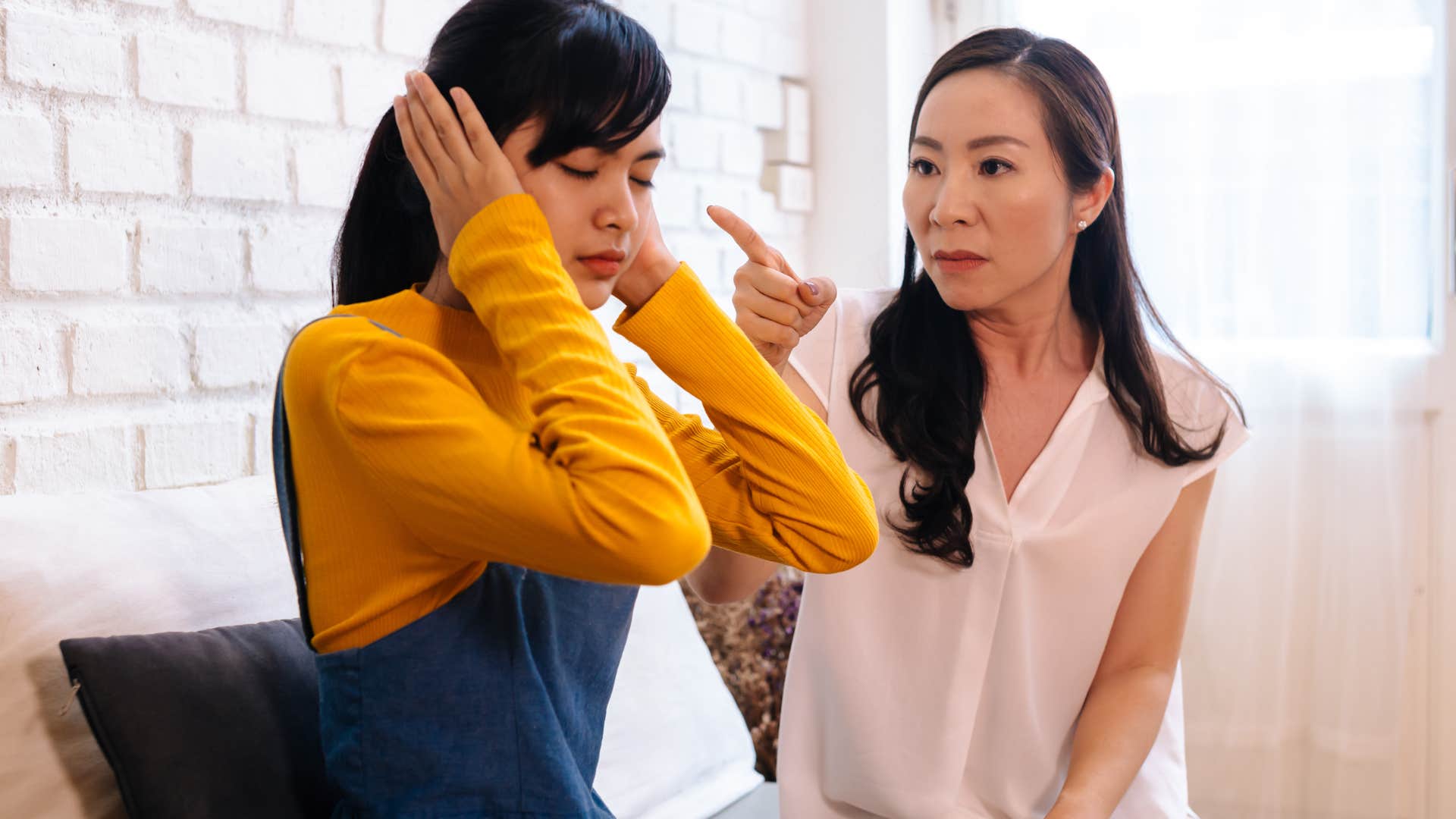
According to a report from Smith College, parents who refuse to take accountability and instead blame-shift their kids into shouldering their responsibilities and mistakes tend to sabotage their kids' well-being.
These behaviors not only spark low self-esteem, anxiety, and unworthiness in their kids from an early age, they make it hard for adult children to feel comfortable expressing vulnerability later in life around their families. In adulthood, they may grow resentment and cope by creating physical or emotional space from their parents, affected by the invalidating and dismissive feelings their parents' guilt-tripping behaviors spark.
6. They feel embarrassed and ashamed at home
 ViDI Studio | Shutterstock
There are a number of reasons why an adult child may feel embarrassed or ashamed at home with their parents, often sparked by feeling like the family scapegoat or target of teasing. Feeling accepted is part of our human nature, we want to feel valued by the people we appreciate and love in our lives. But when we don't, it's our emotional well-being and self-esteem that suffer.
Aa adult children go into the world and get to choose who to love and hang out with, they often discover that not all people want them to feel bad. it make sense, then, that those who emotionally pull away from their parents often prefer to invest energy into relationships with people that respect them for who they are.
7. They're tired of everything being turned into a competition
 Amnaj Khetsamtip | Shutterstock
Oftentimes, adult children bear the burdens of their parents' insecurity. This usually comes from a kind of deep-rooted trauma that often manifests as jealousy and emotional manipulative behaviors. They view their children as competition, whether they're aware of it or not. When a man competes with his own son, it's often out of fear.
If you feel confident your adult kids don't feel they're made to compete with you, they may feel like it's their siblings, cousins and even neighbors they have to compete with. This often happens when parents need to prove their worth by flaunting their kids' success, and if their child doesn't achieve high enough (and they rarely do!), the kids feel like a failure and a disappointment to their parents.
Of course, this isn't benefiting anyone. Adult children who feel ashamed to be themselves and talk about their achievements at home will inherently pull away, and parents who only feel secure around their kids are bound to feel resentful at some point or another.
8. They're drained by their parents wanting so much of their energy
 fizkes | Shutterstock
Many parents struggle to truly learn and accept their kids' independence and autonomy in adulthood. After having spent the last couple of decades completely responsible for solving their problems, meeting their needs and being the main person their kids rely on, it can be hard to let them go.
While we can empathize with what parents who drain their kids' energy go through, this is a selfish choice. If you feel a sense of entitlement with regards to your kids' lives, you run the risk of invalidating the independence they've worked to build.
Many parents of adult children also feel entitled to their kids' emotional energy. While kids do owe their parents some degree of respect, healthy parents want their kids to save their energy on their career, friendships and partnerships in order to build a healthy and independent life. That's part of letting them grow up, and when parents won't let them do that, many experts say that constitutes emotional abuse.
9. They feel smothered by their parent's insecurity
 fizkes | Shutterstock
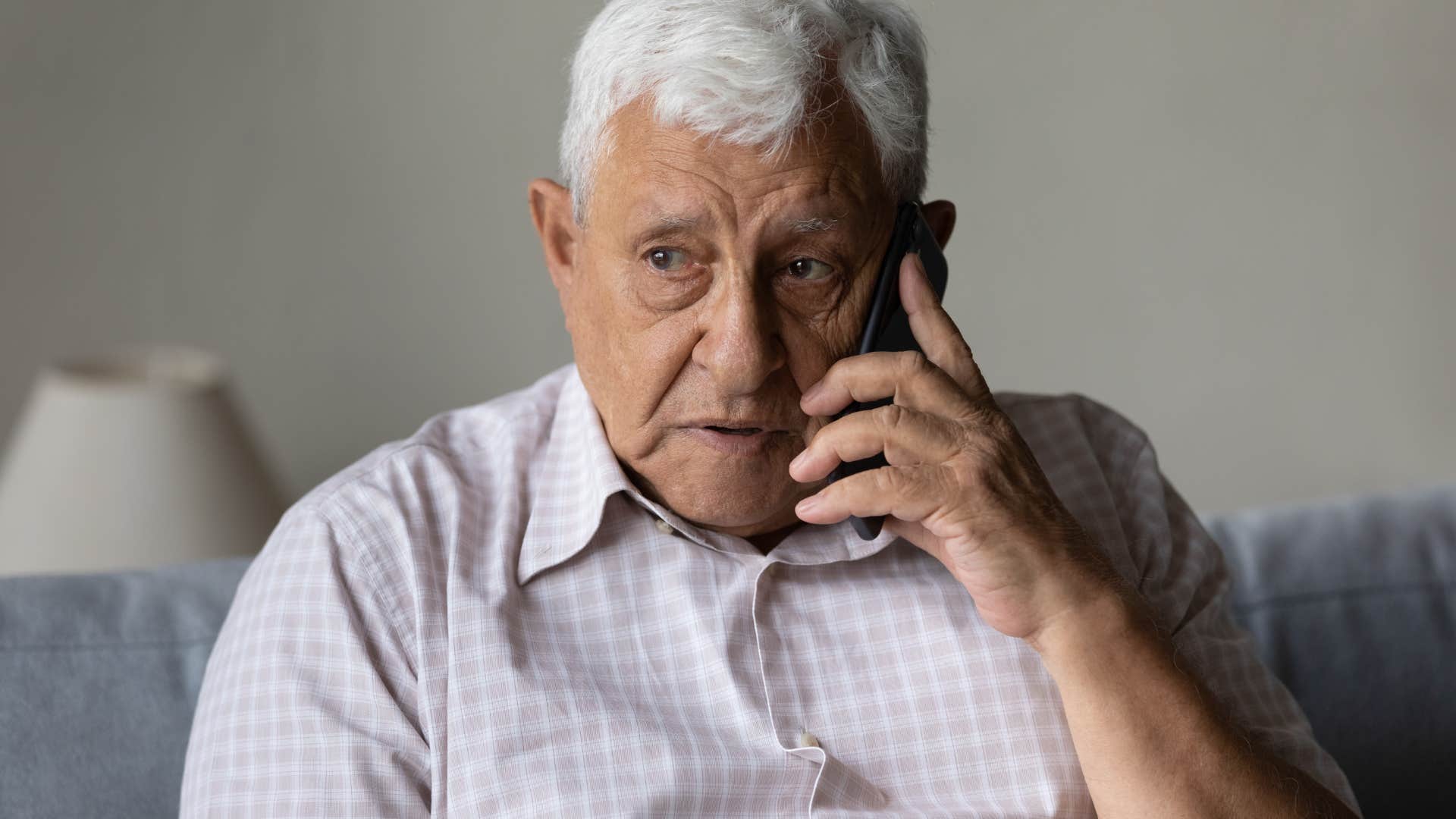
According to a study from the Scandinavian Journal of Public Health, many older generations struggle with a deep-rooted sense of insecurity that fuels their loneliness and irritability as they age. While these can be incredibly individualistic and internal dilemmas, a parent's insecurity can also manifest in behaviors that cause their adult children to pull away.
We all struggle with our own eccentric insecurities and personal struggles, but if you're taking the time to address them, they can be healed However, if an adult child is being consistently affected by their parents' insecurities, they may feel the need to emotionally disconnect.
After all, children are supposed to be the ones who are boistered and supported by their parents, not the other way around. Yes, parents need support form time-to-time but when parental insecurities and needs (aside from elder care or for medical issues, of course) become a child's problem, they may start feeling smothered.
10. They have to hold in what they really think or feel
 fizkes | Shutterstock
The healthiest, most supportive relationships in our lives empower us to be more vulnerable. They give us a sense of security to navigate our lives after getting honest about our fears and failures wiht people we trust.
However, adult children who emotionally pull away from their parents usually find themselves in a much different dynamic. They often feel ashamed of their struggles and more anxious after getting vulnerable with their parents.
For some, it's a side effect of mental health stigmas that still greatly affect older generations of parents. They view vulnerability and mental illness as "a weakness" and condemn any kind of emotional expression in their kids. They also rarely saw emotional support modeled, so they don't know how to handle emotional expression.
But if your child is pulling away emotionally, it's important to step outside of your comfort zone and the old stereotypes that kept your emotions suppressed. It's for the well-being of your kids, and your relationship with them.
11. They feel unheard
 winnievinzence | Shutterstock
At the end of the day, one of the most common reasons adult children emotionally withdraw from their parents is because they feel unheard. It's a fundamental aspect of our relationships to feel heard and valued. Still so many people overlook the communicative habits and behaviors that prioritize it on a daily basis.
When parents overlook their children's needs, disrespect their boundaries, or even guilt-trip them into spending more time at home, they're dismissing the things their kids really want: unconditional love, support, and mutual respect. Really, they just want to be heard and seen.
To resolve this, practice active listening. Try IMAGO dialog's model of listening, reflecting and confirming or another format that helps formalize conversation. That can remove some of the burden and help families break their less-than-healthy communication habits from the past.
Zayda Slabbekoorn is a staff writer with a bachelor's degree in social relations & policy and gender studies who focuses on psychology, relationships, self-help, and human interest stories.

