
10 Old-School Parts Of 60s & 70s Childhoods We Should Bring Back Before It’s Too Late
 Elzbieta Sekowska / Shutterstock
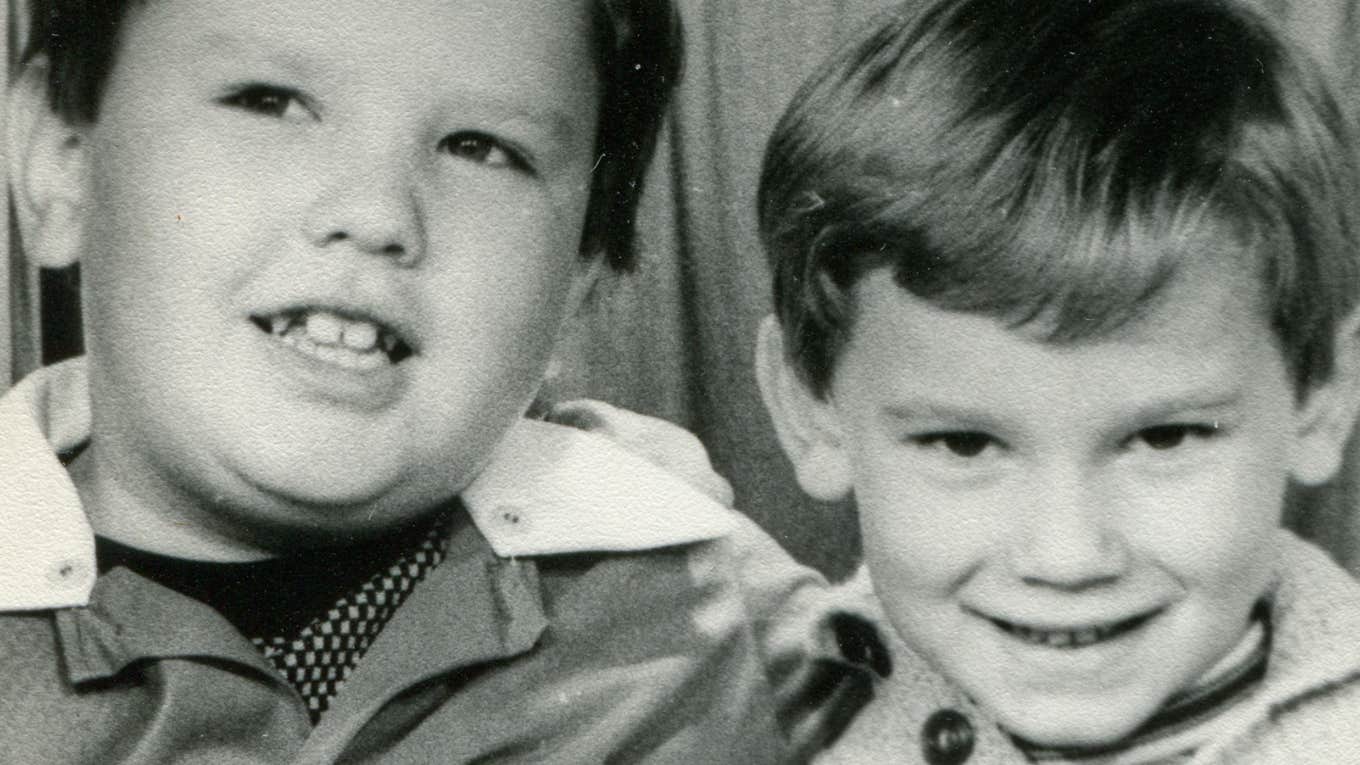
Life hasn't been the same since the 60s and 70s. While society has made strides in regard to technology, childhood magic is sorely lacking nowadays. Entirely too cautious and busy, the way we go about bringing up kids could use a serious revamp right now.
Parenting has gotten so stressful these days that the Surgeon General actually issued a warning. But with a little inspiration, parents and kids can make childhood feel a little more special by incorporating these activities into their routines.
From quiet Saturday mornings at home to kids spending most of their days in the sunlight, there are many old-school parts of 60s and 70s childhoods we should bring back before we all completely forget what those times were like. Some of these ways of spending time may be uncomfortable at first for people who aren't used to them, but just because they sound old-fashioned at first, that doesn't mean they don't have true value.
These are 10 old-school parts of 60s and 70s childhoods we should bring back before it's too late
1. Treehouses and backyard forts
 Zoran Jesic | Shutterstock
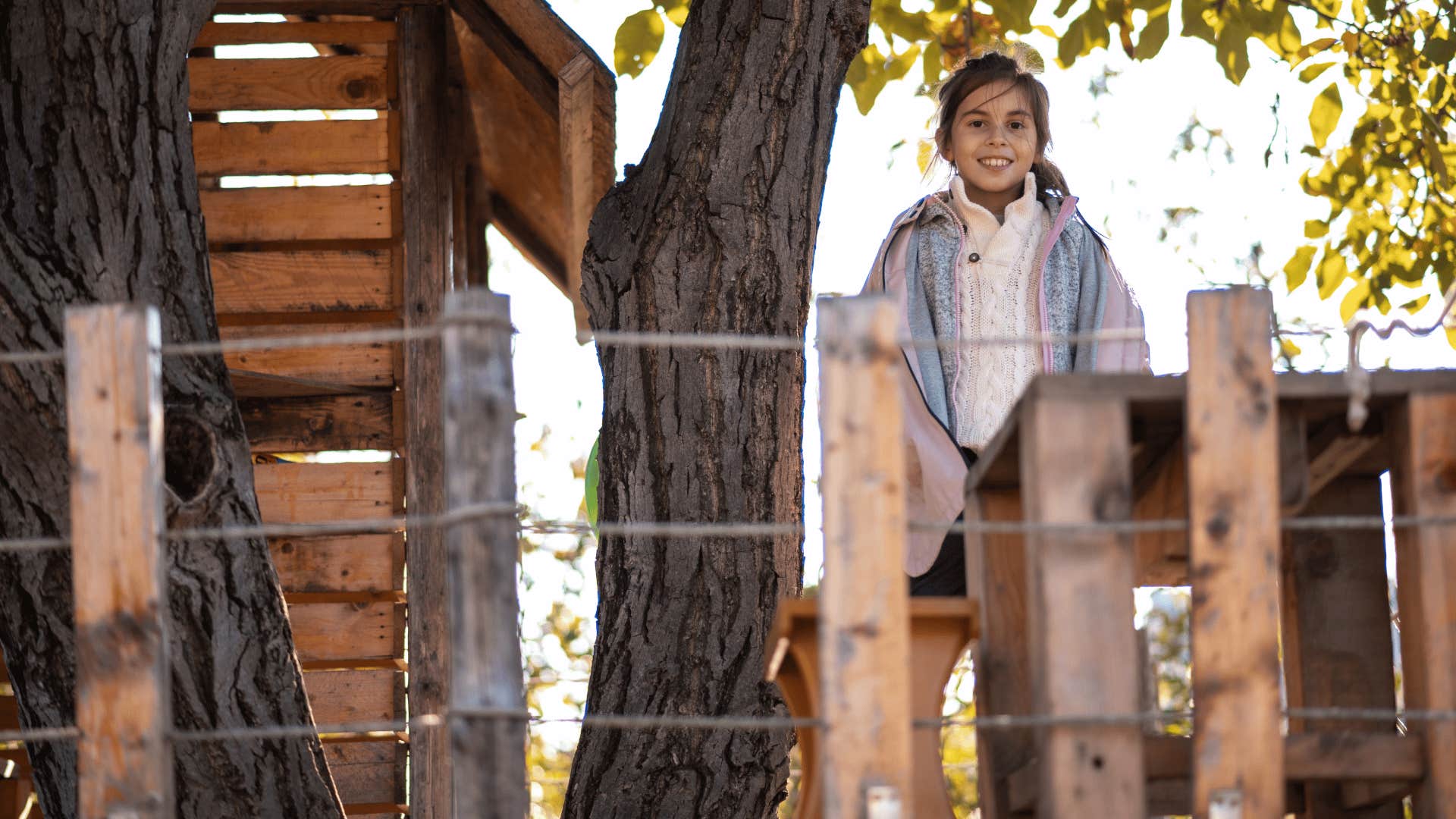
The first old-school part of 60s and 70s childhoods we should bring back is treehouses and backyard forts. Once upon a time, it was normal for kids to have a treehouse at home that they could hide away in. Having secret meetings with their best friend, their treehouses and forts felt like their very own castles.
Not only did they allow for privacy and creativity, but they also encouraged kids to spend more time outdoors. This is important, as Katy Hintzen of Michigan State University noted, "Research found that the average child in America between the ages of six and 17 spends just seven minutes a day in unstructured outdoor play."
This isn't great, as spending time outdoors is often linked to better mental and physical health. So, if parents want their kids to thrive, clearing up their schedule and giving them a reason to go outside is definitely a step in the right direction.
2. Saturday morning cartoons
 Andrey_Popov | Shutterstock
Choosing activities should only be about what's the healthiest thing for a child's mind. While most parents do their best to educate themselves and their children, even the smartest kids need a little magic in their lives. From Disney trips to Saturday morning cartoons, finding a way for kids to be kids is crucial for a good upbringing.
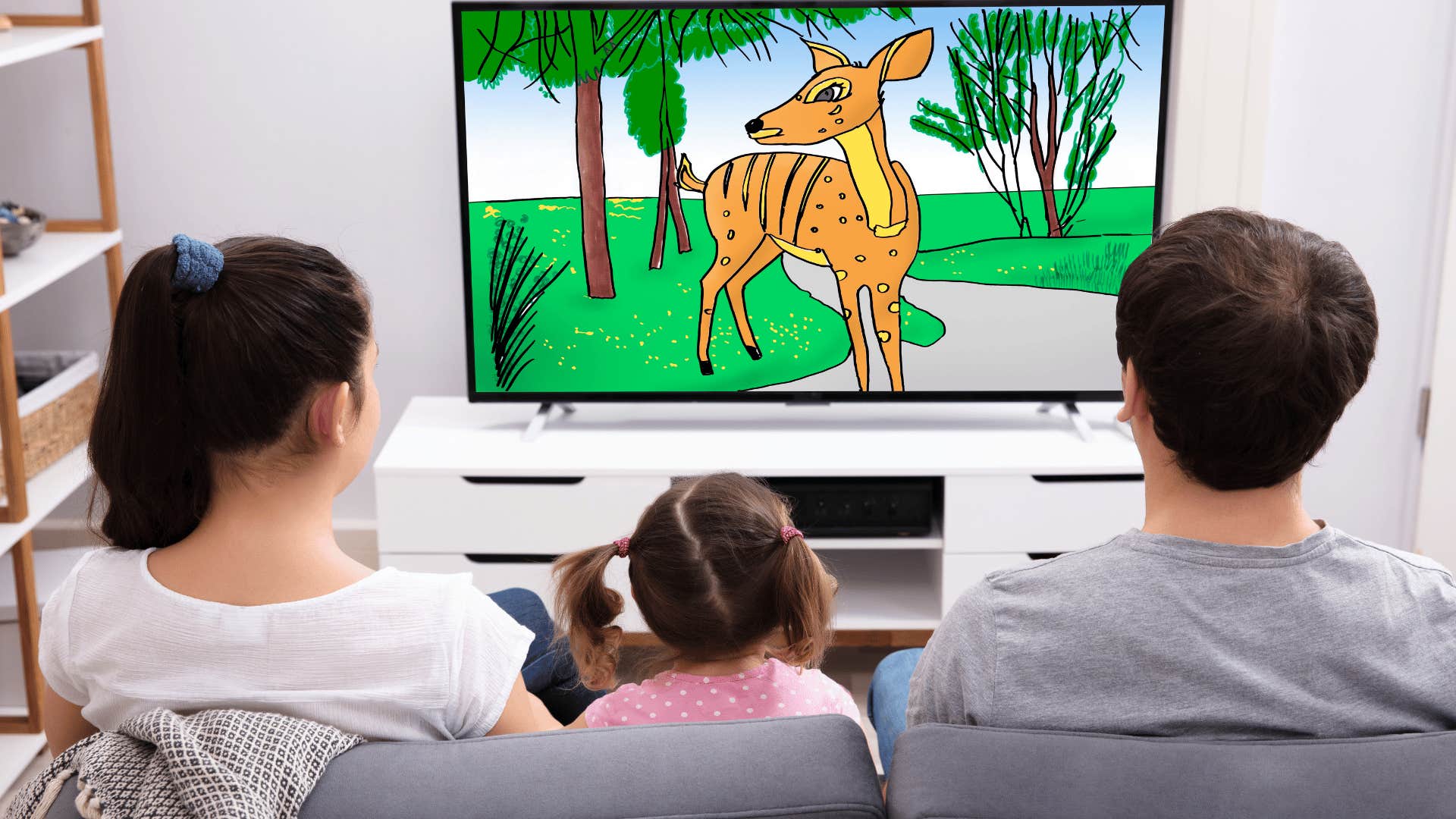
Sitting in front of the TV and munching on cereal while watching Saturday morning cartoons can be relaxing for even the most mature child. While education and life skills are important, teaching kids how to unwind is equally important.
This is why encouraging Saturday morning cartoons now may pay off in the long run. Giving their kids something to look forward to, this routine can quickly become a bonding experience if parents play their cards right.
3. Playing with creativity-inspiring toys
 diignat | Shutterstock
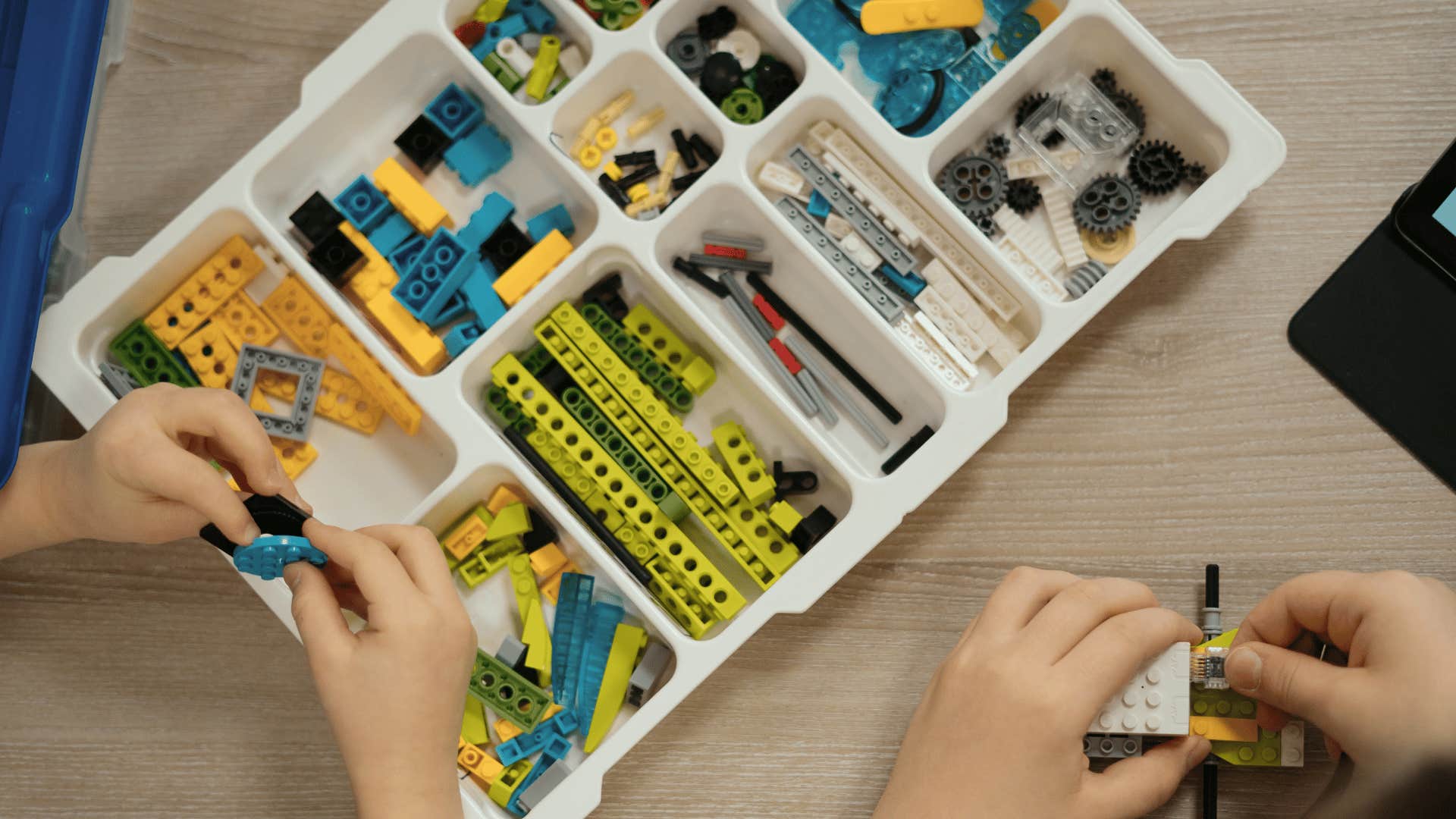
From messing with slime to playing with dolls, toys are meant for kids' entertainment. That being said, this isn't all they're meant to do. While playing with toy cars is fun, something worth bringing back is creativity-inspiring toys.
Parents today get so caught up in making sure their kids have everything they want that they tend to forget that when it comes to toys, just like everything else, it's quality, not quantity that counts. As a study published in Infant Behavior and Development found, "An abundance of toys present reduced quality of toddlers' play."
So rather than making sure your kid gets every new collectible they ask for, parents would be wise to take a cue from the 60s and 70s and make sure there are plenty of building blocks and Play-Doh sets around the house.
4. Riding bikes everywhere
 New Africa | Shutterstock
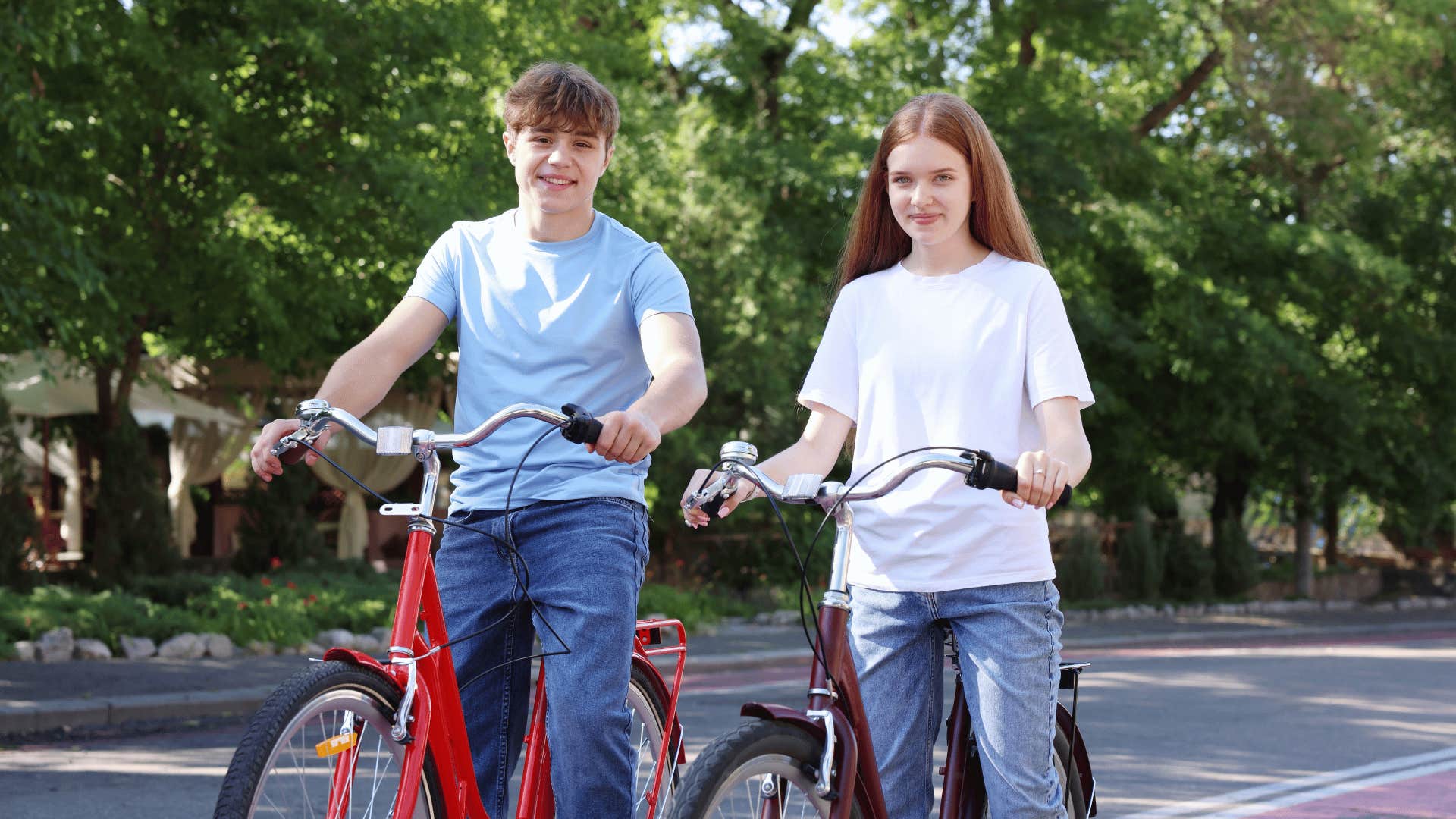
Once upon a time, riding bikes used to be the norm. Parents encouraged their child to be independent, partly because they didn't have the time to deal with their child's nonsense. And while growing up fast was hard, there's no denying that riding bikes everywhere had its benefits.
From spending time outdoors to good health, riding bikes was the golden era. Unfortunately, times have changed since then. While in 1969, 48% of children rode bikes or walked to school, this number had decreased to merely 13% as of 2009.
People could blame parents, but infrastructure plays a big part in accessibility. Still, if we could wave a wand around, something worth bringing back is definitely riding a bike everywhere you go.
5. Family dinners without phones
 Monkey Business Images | Shutterstock
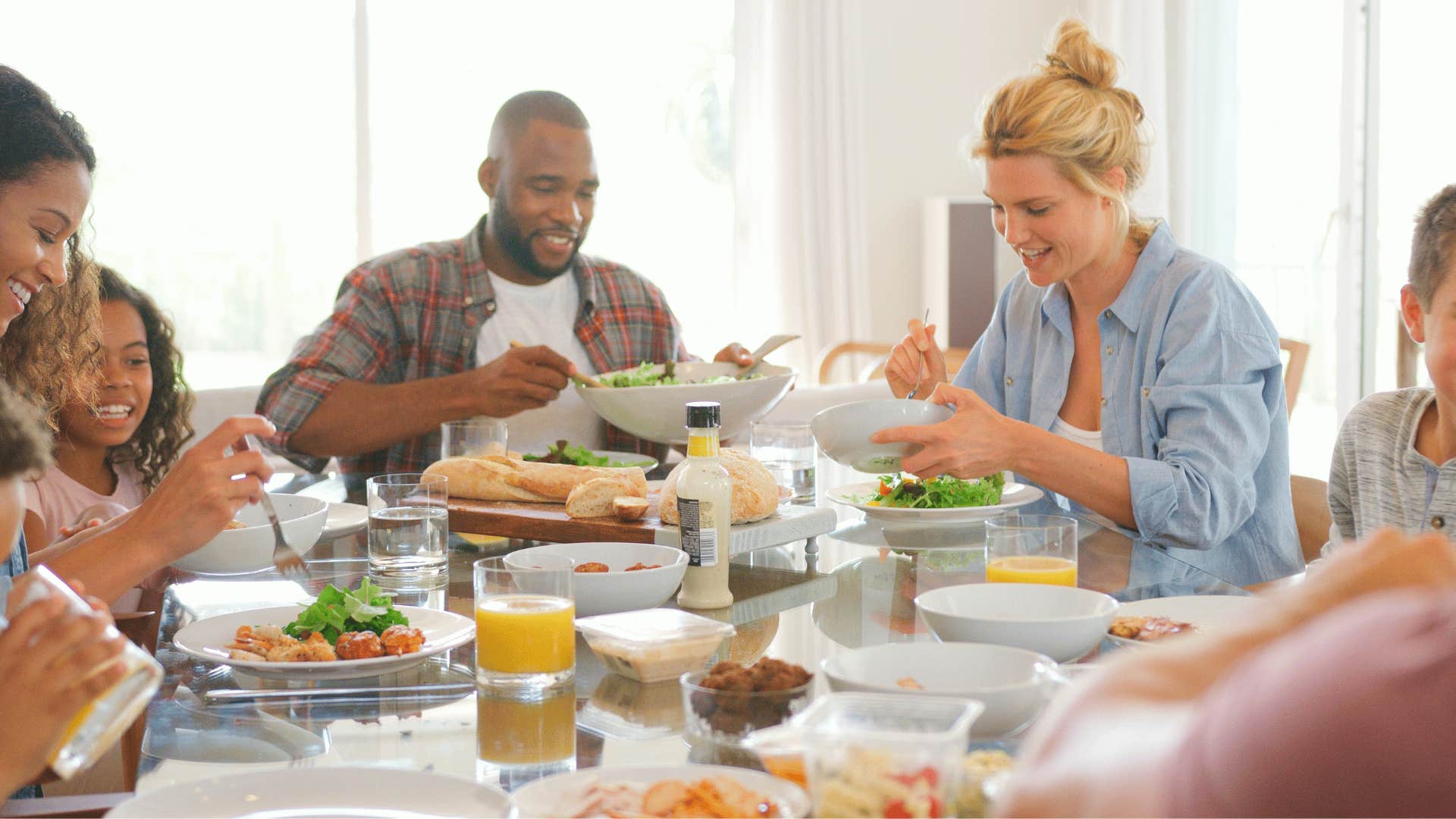
Nowadays, parents and kids are both too distracted. Always on their phones staring at the latest scandal or watching the world burn, family dinner nights don't hit the same way. Instead of eating in separate rooms and ignoring one another, an old-school part of 60s and 70s childhoods we should bring back is family dinners without phones.
According to a study published in 2017, 74.3% of phone users report feeling dependent on their phones. The more technology increases, the worse this becomes. Yet, while it can't always be helped, it can be monitored. By making rules such as no phone at the dinner table, families can spend less time scrolling and more time bonding.
6. Handmade school projects
 Nastyaofly | Shutterstock
Handmade school projects like dioramas and science models are another part of the golden era kids experienced back in the 60s and 70s. While some might still be assigned today, they've definitely taken a backseat. Now, when someone steps into an elementary school, it isn't uncommon to see laptops or iPads everywhere.
These projects might have been time-consuming, but they were worth it. Inspiring creativity and re-centering art in the classroom is something worth taking into consideration.
7. Arcades as social spaces
 GBJSTOCK | Shutterstock
It's hard for kids to meet up nowadays. With the world feeling like a more dangerous place, it might feel like nowhere feels safe. Still, while supervision is important, this doesn't mean kids aren't welcome anywhere. They may not be permitted in malls after certain hours in some places, but a key part we should bring back from the 60s and 70s is using arcades as social spaces.
It might not be Fortnite-level fun, but it can be a bonding experience. Bowling, shooting hoops, or racing one another, arcades can let kids be kids without screaming into a microphone at one in the morning. Parents should encourage socialization outside of the home, suggesting their kids see each other more in person rather than through their phones and computers.
8. Learning practical skills at a young age
 New Africa | Shutterstock
People raised in the 60s and 70s had to learn many important life skills at a young age. Being expected to clean up after themselves and wash their own clothes gave them self-confidence and fostered independence.
For some parents, it might be terrifying to go against the grain. In a world focused on fear-mongering, the thought of their kids handling a hot oven might feel wrong. However, with proper guidance, kids can and should learn how to take care of themselves so they'll know what to do when the real world of being a grown-up hits home.
9. Learning to deal with being bored
 New Africa | Shutterstock
It's normal for kids to be entirely distracted these days. From scrolling on TikTok to playing video games as soon as they get back from school, a skill most haven't learned is how to deal with boredom. Growing uncomfortable and looking for the next thing to focus on, something worth bringing back is learning how to sit with boredom.
At first, it might sound unproductive. Who wants to be bored out of their mind when they can be entertained instead? However, as psychiatrist Neel Burton M.A., M.D., said, boredom can be a stimulus for change, leading to higher ambitions and greater opportunity.
This is why parents should encourage their kids to figure how to deal with boredom without looking at their phones. They might fight it at first, but you'll be surprised at what you can think up when you aren't too distracted.
10. Writing handwritten letters
 Antonio Guillem | Shutterstock
Finally, the last old-school thing we should bring back is handwritten letters to and from friends and family. In an era of cell phones, there's something beautiful about receiving a handwritten letter.
Taking the time to carve out their thoughts and ideas, handwritten letters don't just encourage creativity. For many, those notes are something they hold onto and cherish.
As years pass and people pass, their letters might be the one thing that stays, no matter what happens. Reading their letters night after night, they're something their children can cherish as they grow older and are a long way from home.
Marielisa Reyes is a writer with a bachelor's degree in psychology who covers self-help, relationships, career, family, and astrology topics.

