
The One Skill Kids Need To Succeed In Life Isn’t What Most Parents Focus On, Says Psychologist
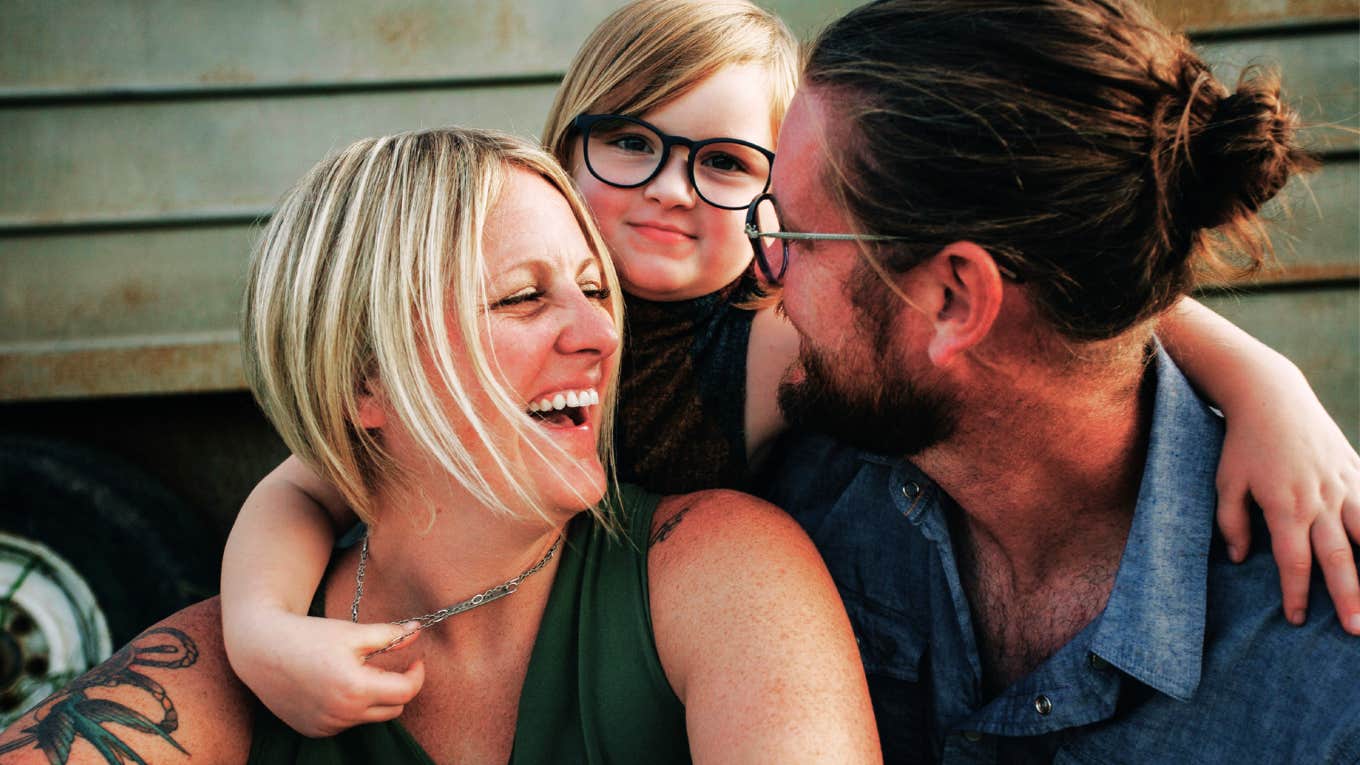 A happy family group hug outdoors; a visual representation of the social-emotional bonding that experts believe is the true key to long-term success in life for children.
Dr. Aliza Pressman has 20 years of experience as a developmental psychologist, with a focus on parenting. She recently discussed how parents can raise their children to believe in themselves, which she believes comes down to one thing we often overlook.
The approach Presserman talks about is a refreshing change from the achievement-driven approach that has been the foundation of modern parenting. "If we don't think they are capable, you bet we are communicating that in ways we don't even realize. This impacts their thoughts about their abilities as well as their desire to take chances," she explained.
Instead, she shared the one skill parents need to teach their kids to succeed in life: self-efficacy, or in other words, a sense of capability
 Evelina Kasparaitė / Unsplash
Dr. Pressman tells parents to teach their kids self-efficacy, which the American Psychological Association defines as “an individual’s subjective perception of their capability to perform in a given setting.”
In simple terms, self-efficacy is someone’s belief in their ability to achieve something
The concept of self-efficacy was developed by psychologist Albert Bandura, who believed that a person’s sense of self-efficacy creates their foundational beliefs around motivation, well-being, and accomplishment. Bandura maintained that there are four pillars of self-efficacy: Mastery experiences, vicarious experiences, social persuasion, and emotional states.
Speaking to mastery experiences, Bandura believed them to be “the most influential source of efficacy information because they provide the most authentic evidence of whether one can muster whatever it takes to succeed. Success builds a robust belief in one’s personal efficacy.”
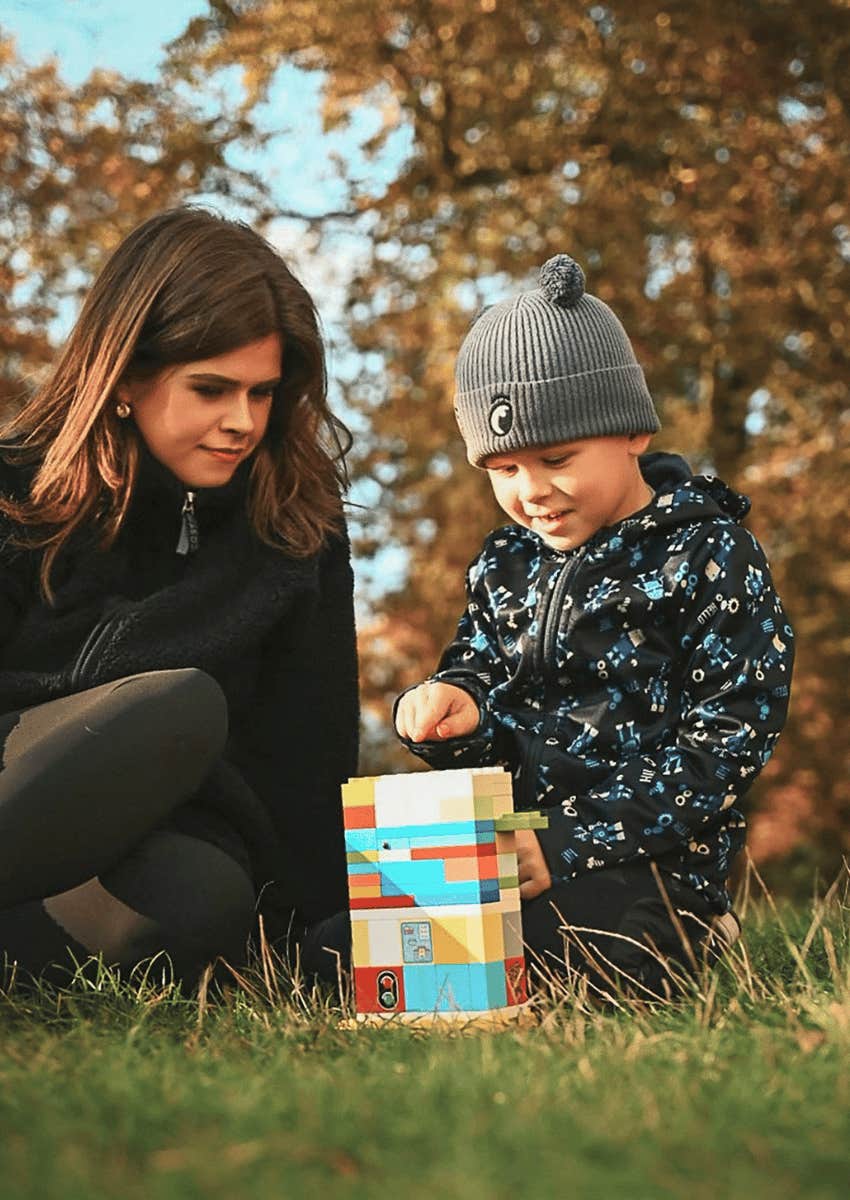
Parents can encourage their kids’ sense of mastery by urging them to try new challenges when they’re developmentally ready to do so. Practicing new skills and learning new things builds kids’ sense of confidence and promotes healthy growth in their self-worth.
Having a strong sense of self-efficacy contributes to kids’ resilience and their overall sense of self
 Jabari Timothy / Unsplash
There’s inherent value in modeling to kids that they’re strong and capable of achieving their goals. When they see other people from similar backgrounds succeeding at hard tasks, they internalize the mindset that they, too, can do hard things.
Social persuasion essentially means providing your child with positive feedback when they succeed, and constructive, kind critique on their growth points when they don’t.
Learning how to manage anxiety and maintain a stabilized mood also contributes to kids’ self-efficacy, as feeling calm in their bodies can help them achieve the tasks in front of them. To help kids build up their self-efficacy, parents can urge them to participate in new activities. Providing them with positive, focused feedback also helps build their sense of capability.
While it might seem as though self-confidence and self-efficacy are the same, as Dr. Pressman notes, inner efficacy lets someone know that they have the internal resources to figure things out and meet their goals.
As hard a pill as it might be to swallow, parents can’t always smooth the pathways that their kids are on. While it might seem instinctual to want to make life easy for kids, removing roadblocks contributes to lower self-efficacy, as kids learn not to believe in their own abilities.
Kids with strong senses of self-efficacy can take on the challenges ahead of them, knowing they have the internal resources to be successful. Trying new things means we're bound to fail, at least once, at least sometimes, in our lives. Teaching kids self-efficacy sets them up for success because it teaches them to believe in themselves and know their own worth.
Psychologist Lisa Kaplin agrees, noting that parents who raise confident kids understand that their job is to help them "navigate it with emotional strength, self-trust, and resilience." This small change is the difference between a kid who shrinks from challenges and one who confidently leans toward them.
Alexandra Blogier is a writer on YourTango's news and entertainment team. She covers parenting, pop culture analysis, and all things to do with the entertainment industry.

