
People Who Got The Silent Treatment As Kids Usually Struggle With These 6 Things As Adults
 Bricolage | Shutterstock
The silent treatment can leave a lasting mark on kids.
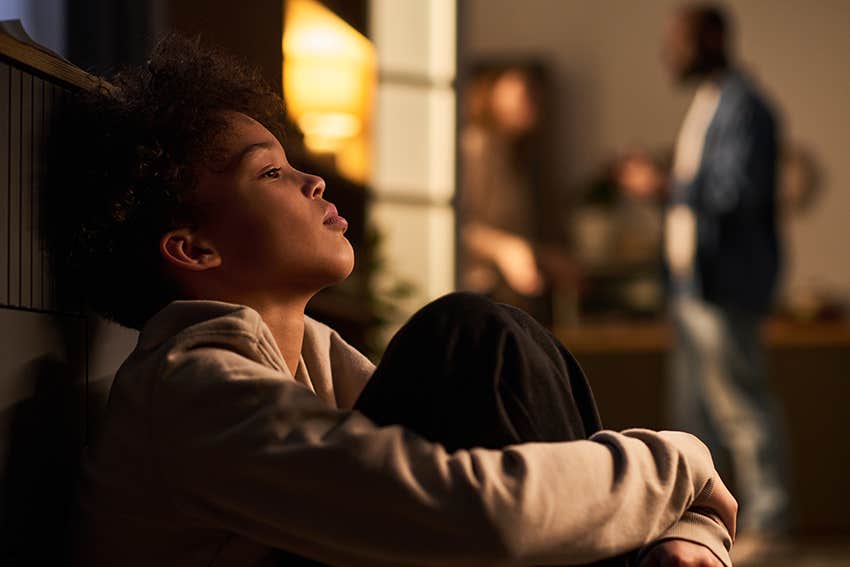
Childhood experiences are supposed to be remembered with fondness, love, and joy, but for some people, those memories carry pain, confusion, and uncertainty instead. People who received the silent treatment as kids may have grown up with parents or caregivers who avoided hard conversations, treated them as if they were invisible, or withheld love and affection as punishment. Those experiences can carry into adulthood and affect how someone handles conflict, trusts others, expresses their emotions, and forms healthy relationships.
People who got the silent treatment as kids usually struggle with these 6 things when they grow up:
1. They become aware of everyone's energy
In a TikTok video, Liz Tenuto, a Pilates instructor who specializes in rehabilitative exercises, explained to viewers that someone who was on the receiving end of the silent treatment as a child may be more attuned to people's emotions and energy.
"You notice every energy change in the room when someone is slightly annoyed or upset," Tenuto wrote in overlay text.
2. They may carry tension in their neck and shoulders
 Pressmaster | Shutterstock
Tenuto noted that children who have been given the silent treatment by their parents may often feel pain in their shoulders and neck as adults.
"You probably have constant shoulder and neck pain," she claimed, adding that there could also be tension in the shoulders. A 2012 study showed that social rejection can activate brain regions associated with pain. This means that people not only feel emotional pain when given the silent treatment but also a certain level of physical pain.
3. They become people-pleasers
In Tenuto's video, she explained that one of the repercussions of being forced to endure silent treatment as a child may manifest as becoming a people-pleaser in adulthood. "[You] find it hard to say no when people ask you to do something," she pointed out.
The silent treatment can evoke a fear of abandonment or rejection in children, as they struggle to understand why their parents suddenly withdraw affection and communication. As adults, they may engage in people-pleasing behaviors to avoid perceived rejection and maintain connections with others. They may prioritize others' desires and wishes over their own, leading to a lack of assertiveness and boundary-setting.
4. They struggle to express their emotions
Someone who experienced the silent treatment from their parents during childhood may struggle to articulate their emotions as an adult or find it challenging to communicate openly about their feelings due to a lack of emotional validation during their upbringing.
In an interview with USA Today, Vaile Wright, senior director of healthcare innovation at the American Psychological Association, explained why the silent treatment can affect someone's ability to communicate their feelings.
"I think it's probably, to a certain degree, a defense mechanism related to not being able to articulate ways in which somebody feels hurt. Instead of using your words, you act out in behaviors that aren't particularly adaptive, but may feel protective," Wright told the publication.
5. They need constant reassurance
 Zoran Jesic | shutterstock
A constant need for validation and approval from others can stem from the various emotional wounds and insecurities someone may have developed during the years they were being given the silent treatment by their parents or caregivers.
According to Dr. Bernard Golden, growing up without consistent emotional validation, stemming from being ignored during conflicts, can lead people to rely heavily on external validation to feel secure and valued. They may have never learned to validate their own feelings and worth, leading to a perpetual need for others to do it for them.
6. They repeat similar patterns in adult relationships
It can be extremely common for individuals who experienced the silent treatment in childhood to unconsciously replicate similar patterns in their adult relationships, either as the person giving the silent treatment or as the one receiving it.
In an interview with ABC EveryDay, Australian practice specialist Kerri James explained that adults who were ignored or invalidated as children may use the same approach in their adult relationships because it feels familiar.
"It stays in your mind that you suffered as a child this way. You couldn't reach your parents, and you felt lonely and abandoned," James said. "Having [learned] that [silent treatment] is the way you get the best response from somebody when you feel hurt or upset, you know if you withdraw the other person will pursue you."
The silent treatment in childhood can have profound effects on a person's emotional well-being. Being subjected to the silent treatment can create deep emotional wounds, leading to feelings of rejection, abandonment, and unworthiness.
The impact of the silent treatment can vary from person to person, depending on other life experiences, resilience, and support systems.
However, the effects highlight the potential long-term consequences of such emotional abuse during childhood. It is essential to remember that healing is possible.
By working through these issues, whether with a professional or on your own, and developing healthier coping mechanisms, it is possible to gradually rebuild your sense of self-worth, learn to trust others, and cultivate healthier relationships.
Nia Tipton is a Chicago-based entertainment, news, and lifestyle writer whose work delves into modern-day issues and experiences.

