
People Raised In The 70s & 80s Were Neglected In 8 Ways That Actually Made Them Emotionally Tougher
 Lyudmila2509 / Shutterstock
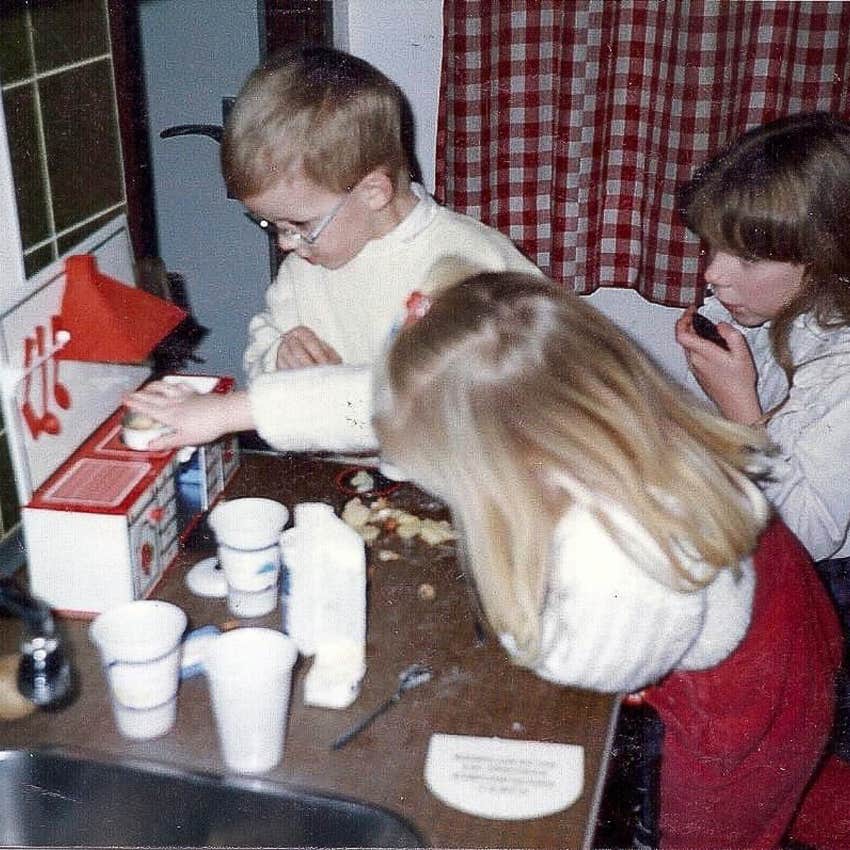
Pretty much everyone who talks or writes about Gen X loves to mention the fact that these seemingly unfortunate latchkey kids were raised by parents who were so busy with work that they had to let themselves into the house after school and make their own meals.
While statements like that are thrown around left and right today in a way that makes it sound like a whole generation suffered from widespread child neglect, the ways in which kids who grew up in the 1970s and 1980s were raised actually ended up making them emotionally tougher (in a good way) than they may have been otherwise.
Kids raised in the 70s and 80s are actually emotionally tougher because of these specific ways they were neglected
1. No one solved their problems for them
Not to get on a soapbox, but kids these days don’t have the problem-solving skills of previous generations. While they may mean well, some parents step over boundaries and take control of everything in their child’s life. This leaves them looking to other people when they are caught in a bind, which doesn't help anyone. While Gen X kids may not have had parents who took the reins and tried to solve their problems, this taught them powerful decision-making skills they now use all the time.
Problem-solving skills are essential, especially as you get older and move into more leadership roles. This generation was already taking control of their lives even as children. When something went wrong, they had to do the best they could to find their way out all on their own. Without parents heavily involved in their daily lives, they grew tough and responsible.
2. They needed to learn how to cook for themselves
 middleveld from Getty Images Signature via Canva
I’m a millennial with Gen X parents. I can think of many moments when they had my favorite dinner ready for me after a long day. In fact, I can’t remember a time when I had to prepare food for myself after school. But when my parents were growing up, that wasn’t the case.
Not only did having to prepare their own meals make them stronger because they knew they could be self-sufficient, but I think it gave them more compassion when they became parents themselves. It seems this generation wants their children to have what they were never able to get from their family.
While this may seem sad to younger people, those who were raised in the 70s and 80s found it empowering. They viewed what we see as neglect as motivation for learning how to take care of themselves. They had no other choice, but now they know that they’ll always be able to throw a meal together when they're hungry.
3. They were expected to clean their own rooms and do chores
No child looks forward to doing chores, but Gen X didn’t have a choice. Their parents weren’t always around to pick up after them, so many daily household duties fell on them. These kids felt pressure to step up and take on roles we tend to think parents or other adults should be responsible for, like mowing the lawn or babysitting their siblings.
Latchkey kids often ran a tight ship. While studies show mixed findings on whether or not they grew up to be stronger than other kids of generations, it’s clear they had to take charge when it mattered most. Now, they tend to be emotionally strong and willing to do whatever it takes to take care of their families.
4. They were left with little to entertain them
 rushay booysen via Canva
Creativity runs deep in Gen X because they had very few ways to entertain themselves unless they came up with ideas on their own. With parents who were absent and unable to take them on fun outings, they had to think outside of the box.
Many created their own games or took off on their bikes to go hang out with friends, which is something few kids today would be mentally tough enough to do.
5. Their parents didn’t give them much help with making decisions
As a millennial, I am a serious overthinker. When I was a kid, I would turn to my parents for their thoughts before doing something because I didn’t trust my own judgment. They were often confused about why I would do that. They grew up without constant parental supervision to help them navigate every little turn in their lives, and they couldn't understand why I would want that.
Gen X is famous for being a generation that rarely asks for help. That might come across to others as them seeming uninterested at times, but the truth is, they are often just working through things on their own.
6. They didn’t receive consistent affection
We often hear how kids these days are coddled. Their parents are there for them for every little thing. A scrape on the knee can turn into hysterics, followed by over-the-top soothing from their parents. This type of parent would think Gen X was neglected because their parents weren’t there for them in the same way.
While there are downsides to this, as it can complicate their relationships, they embrace how independent it makes them.
7. Relying on someone else wasn’t an option
 yellowsarah from Getty Images Signature
Growing up without parents playing an active role in their lives taught Gen X that the only person they can rely on is themselves. Emotionally neglectful parents can cause their children to question their own feelings. As kids, they may not always have viewed this as a bad thing, seeing it instead as a way to strengthen their connections to themselves.
Relying on yourself takes confidence. Knowing you have your own back, no matter the situation, is a strength. Although they learned this lesson through their parents’ absence in their lives, it was quintessential to who they became as adults.
8. Expectations were hard to live up to
Although their parents were at least somewhat neglectful, they still had high expectations for their children. They were expected to do their homework and possibly even to prepare dinner before their family returned from work. This put a lot of stress on them, but it also taught them to do their best, no matter what.
As they moved out on their own, they continued to do their best to live up to that expectation. UC Davis found that Gen X employees are not only dedicated, but also put in maximum effort and take a collaborative approach. They used the lessons they learned from constantly trying to impress their neglectful parents to their advantage, becoming excellent networkers and leaders.
Haley Van Horn is a freelance writer with a master’s degree in Humanities, living in Los Angeles. Her focus includes entertainment and lifestyle stories.

