
If Someone Constantly Doubts Themselves, Their Parents Probably Said 10 Phrases Quite Often
 PeopleImages | Shutterstock
If someone's incredibly confident, they likely had a parent who supported them without question, constantly offering words of encouragement.
But if someone constantly doubts themselves, they likely had conversations with their parents that chipped away at their self-esteem and created some serious anxiety over time.
A person who constantly doubts themselves likely heard these phrases from their parents:
1. 'You'll understand when you're older'
 Media_photos | Shutterstock
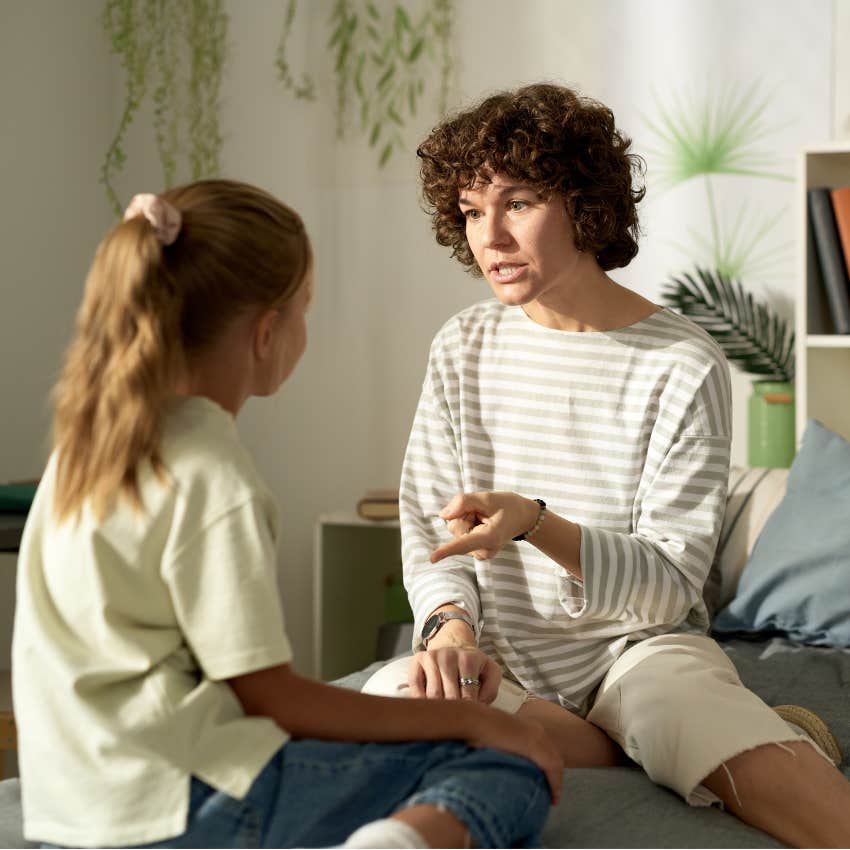
Instead of offering kids the freedom and space to make mistakes and be a part of difficult conversations that offer them a kind of perspective, parents who used phrases like "you'll understand when you're older" set an unsustainable expectation. As adults, these kids expected to understand certain things instantly, as if age was the only key to understanding.
Yes, there are certainly topics and conversations that kids shouldn't be a part of, but invalidating their curiosity and shutting down their interests only dulls their critical thinking skills and creates anxiety. They second-guess themselves as adults because they feel like they're doing something wrong.
2. 'You'll just mess it up'
When parents scold their kids for making mistakes, they don't just chip away at their self-esteem. They also take away opportunities for them to learn and grow. Sometimes, we need to mess up and create more work for ourselves to learn how to do them better the next time.
Kids being told "you'll just mess it up" and "let me do it" learn to feel insecure in the face of unfamiliarity. They avoid things they don't understand and refuse to step out of their comfort zones because their parents always assumed they'd do something wrong. What they don't always realize is that making a mistake doesn't usually mean you've done something bad.
3. 'Don't embarrass me'
When kids are afraid of unfamiliarity, they're stuck. The curiosity that most kids have, which allows them to learn, is stifled. They're more afraid of newness than they are excited.
Parents who teach their kids to embrace things they aren't good at or don't understand raise open-minded, smart adults. But parents who say things like "don't embarrass me" and "you don't know how to do that" create anxious ones.
4. 'I told you so'
When a child grows up feeling "caught" for doing something wrong, it creates a fear of disappointing others that doesn't always go away. They start leaning into comfort, instead of learning and trying new things. They start second-guessing themselves out of fear that they're not good enough for anyone, instead of following their own needs and interests.
These are the kids who turn into people-pleasers because they've heard "I told you so" for their entire young lives. They aren't comfortable deciding anything on their own, as they were constantly criticized, making them seek approval and reassurance during their most impressionable years.
5. 'Let's see what everyone else does'
 vvaragic | Shutterstock
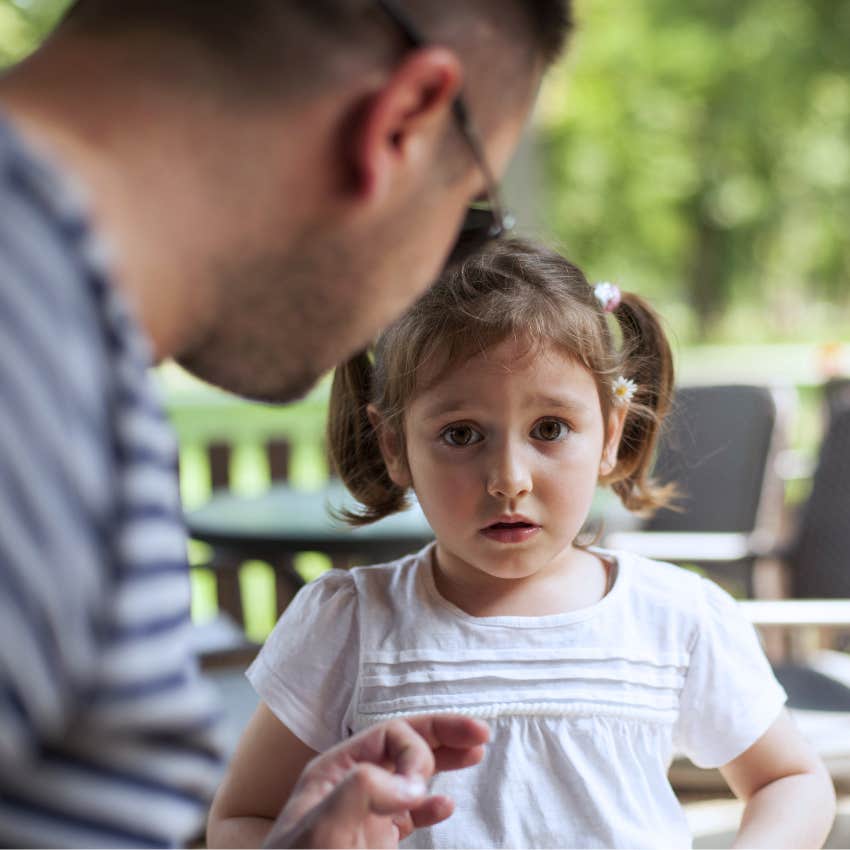
When kids are wired from an early age to compare themselves to others and follow the pack, it becomes even harder for them to develop personal thought and leadership skills later on. They're used to looking around and taking stock of other people's opinions, to the point that their own end up on the back burner.
They never had a chance to think for themselves and see their ideas through. Their parents used phrases like this that sparked insecurity and anxiety, instead of self-assuredness and security.
6. 'You don't really mean that'
Gaslighting kids with phrases like this only makes them doubt their most innate emotions and interests, even when it's not intentionally malicious. Kids who grow up with parents who shut down their curiosity only learn to suppress it.
Sometimes, this perspective shift is necessary for kids to truly become self-aware. We often need a parent to help us reflect on things we reactively say, and to urge us to be careful with our words. Consistently hearing these kinds of phrases from parents only makes kids become adults who doubt everything they do.
7. 'Because I said so'
Without having the chance to think for themselves and practice expressing themselves out loud, kids grow into adults who second-guess themselves constantly. They don't have a chance to practice resolving conflict and understanding why someone made the decision they did.
They grew up with parents who say "because I said so" constantly. It's this kind of blind loyalty to people that results in adults who rely on others to set boundaries and correct their behavior. So, they're chronically anxious.
8. 'Let me check first'
Being around parents who never trust them often ensures they don't know how to trust themselves as adults. They're always anxious about what other people think because their parents always assumed they couldn't be trusted to handle anything on their own.
"Let me check first" or "you probably messed something up" are just a few of the phrases parents say, sometimes without realizing the damage they're doing over time.
9. 'You probably forgot something'
 Lopolo | Shutterstock
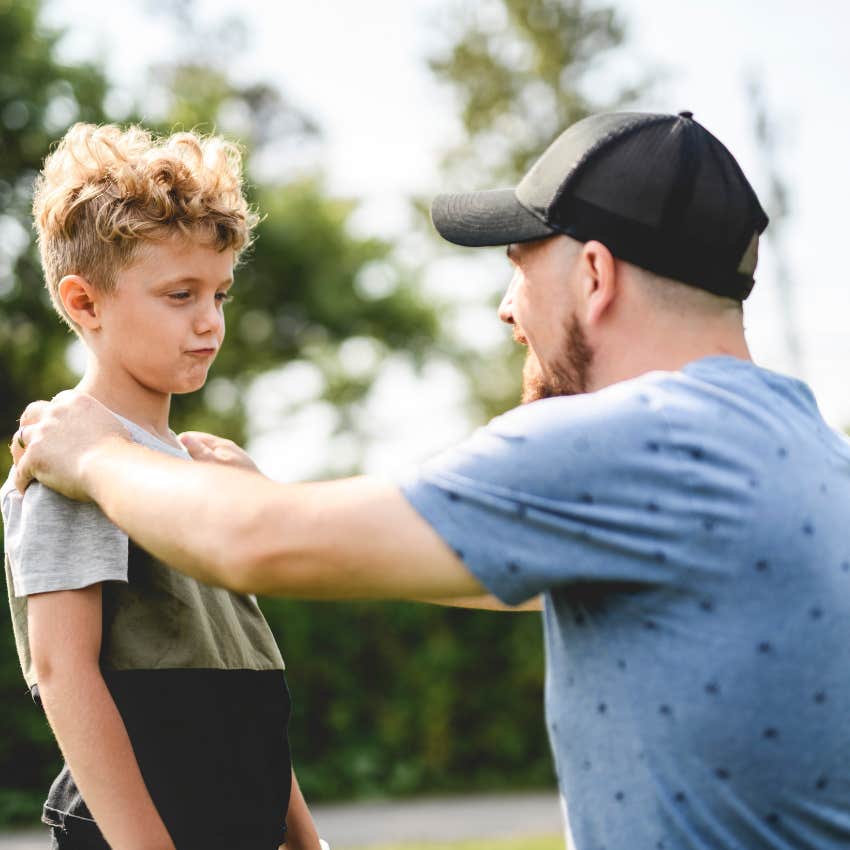
Phrases like this from parents only chip away at their child's self-esteem. It makes them feel second best. It ensures they develop a misguided belief that they can't do anything right unless someone's checking their work or offering constant reassurance.
This is the baseline insecurity they can't help but operate from as adults, hence their tendency to second-guess themselves and constantly seek validation from others.
10. 'Your sister/brother would've figured it out'
Comparing siblings against each other and picking favorites at home are two of the easiest ways for parents to create insecure children. On top of that, kids who grow up in these homes also develop worse relationships with their siblings as they get older.
So, not only are they resentful and disconnected from their family, but they're also pressured into comparing and competing with others at their own expense. Even when they have the skills to do things on their own and find success, they self-sabotage by looking to others for validation.
Zayda Slabbekoorn is a senior editorial strategist with a bachelor's degree in social relations & policy and gender studies who focuses on psychology, relationships, self-help, and human interest stories.

