
Gen X Kids Had 7 Practical Skills By Age 10 That Most Gen Z Still Struggle With
 Annie Spratt | Unsplash
Gen Xers grew up with a lot of independence, which earned them the nickname the "latchkey generation." Because their parents worked a lot, they were left to fend for themselves.
A combination of stricter parenting and more technology has created a different environment for Gen Z. That's why younger generations seem to struggle with practical skills that Gen X learned from an early age.
Most Gen Zers still struggle with these practical skills that Gen X kids learned by age 10
1. Doing household chores
 Odua Images via Canva
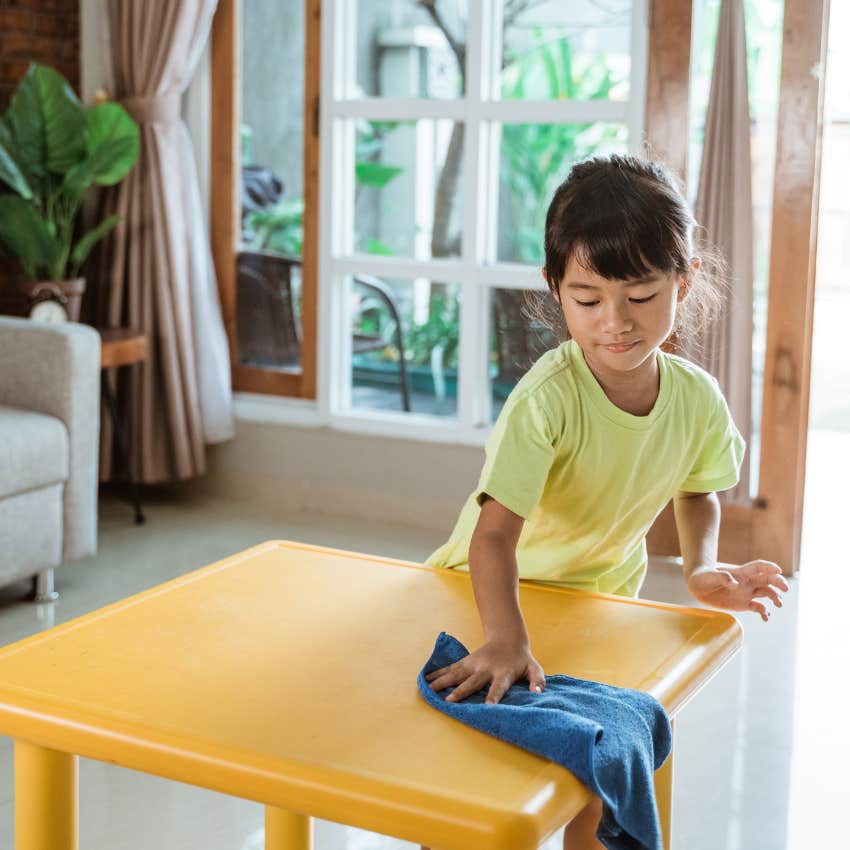
Basic chores like doing laundry or washing the dishes seem like no-brainers to Gen X. They were expected to finish the chores their parents gave them, usually before they could move onto something fun.
Gen Z didn't have the benefit of doing no chores at all, but the idea of a house running on everyone pitching in wasn't quite the same. This has led to awkward situations when they move out on their own, realizing they don't know how to do something essential.
Developmental pediatrician Rebecca Scharf discovered from her own research that kids who do chores are "more likely to have a sense of capability or more of a sense of being able to do things in the future," so it makes sense that Gen X picked up more self-reliance.
2. Using a landline phone
Technically, very few Gen Zers actually had the chance to learn how to use a landline phone because they were already being phased out in their childhood. Gen X learned a lot more from landlines than just how to dial numbers in a different way, though.
This was before the age of caller ID and personal phone numbers, so the whole family shared one phone line. That meant they might have to take a message for someone else when they answered the phone, or politely ask for another person when they made the call themselves.
These little things boosted their interpersonal skills even though they're pretty much irrelevant now.
3. Cooking basic meals
Young Gen X kids weren't always cooking elaborate meals or really even cooking for the whole family, but they did know their way around a kitchen. Since their parents left them to fend for themselves pretty often, they didn't have any other choice.
Toddlers can actually start helping out in the kitchen, but this wasn't really a priority for Gen Z. Some of them enjoyed cooking, but the ones who didn't weren't typically expected to do it on their own.
As adults, they may rely on food delivery services or pre-made meals because they don't have the cooking skills that many Gen Xers learned from a very young age.
4. Doing research at the library
 kickstand from Getty Images Signature via Canva
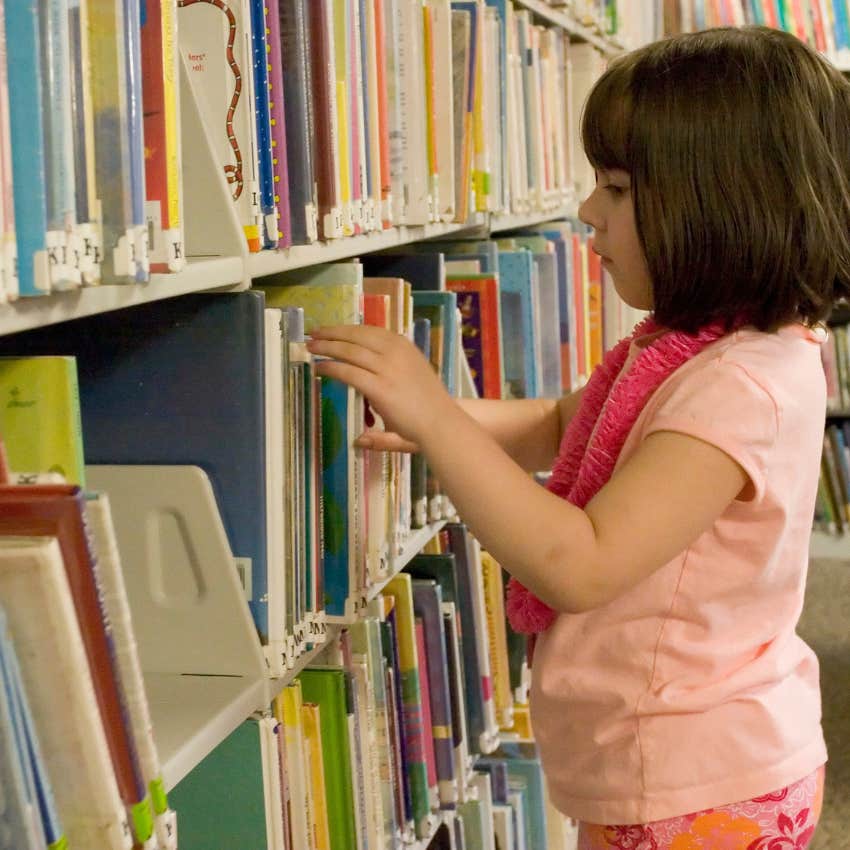
The thought of having to use actual physical books to do research for school projects, instead of just searching for what they need online, probably sounds like a nightmare to Gen Z. But for Gen X, it was the best way they could gather information.
Gen Z is facing a pretty serious literacy crisis that is often blamed on their dependence on technology. It's hard to say whether not using the card catalog has contributed to those problems, but it definitely seems possible.
5. Getting from one place to another alone
It was completely normal for Gen X kids to walk to a friend's house or even the closest store on their own. But Gen Zers often needed permission just to cross the street.
Parents hover more than they used to, partly because they're always being told the world isn't safe. Constant access to the news and scary headlines makes it seem like that's obviously true, but kids aren't in more danger nowadays.
This could be holding Gen Z back from learning about how to be independent and take care of themselves, to the point that they feel pretty helpless when they do reach adulthood. Gen X didn't have to worry about that, as they were incredibly self-sufficient and resilient.
6. Caring for younger siblings
Being raised to believe that they could do things on their own and had to contribute to the family as a whole meant Gen X kids also helped take care of their younger siblings. They didn't take their parents' place, but they also didn't complain when they had to change a diaper or prepare a snack.
Since Gen Z grew up with parents who were more protective, they were less likely to delegate those kinds of tasks to their older kids. They're not nearly as comfortable around little kids because of that, and may not have a full picture of responsibility.
7. Keeping track of their own money
 kate_sept2004 from Getty Images Signature via Canva
Kids' financial responsibilities have changed a lot over the years. Gen X grew up with bills and coins, and they had to keep track of their money and take care of their own purchases. Gen Z isn't as familiar with paper money, choosing instead to rely on cashless methods of payments.
For Gen Z, even when they earned their own money and income, their parents often still helped them when they wanted to buy something. Experts suggest that parents give their children an allowance of 50 cents to $1 for each year of their life, but most parents say they actually give their kids $37 a week.
Inflation has obviously changed a lot, but $37 sounds pretty different from what Gen X kids would have been used to. It calls into question what Gen Z has learned about money and how much they expect to have, which affects every aspect of their lives.
Mary-Faith Martinez is a writer with a bachelor's degree in English and Journalism who covers news, psychology, lifestyle, and human interest topics.

