
11 Scarring Childhood Experiences That Turn The Sweetest Kids Into Unhappy Adults
 Gladskikh Tatiana | Shutterstock
When you think of childhood experiences that are scarring, you might assume they're big events, like accidents or natural disasters. While those can definitely scar a child emotionally, there are day-to-day experiences that can also cause serious issues for kids down the line.
Parents and other caring adults almost never mean to scar kids. Still, these experiences can turn even the sweetest kids into unhappy adults.
11 scarring childhood experiences that turn the sweetest kids into unhappy adults
1. Their parents dismissed their emotions
 juninatt | Shutterstock
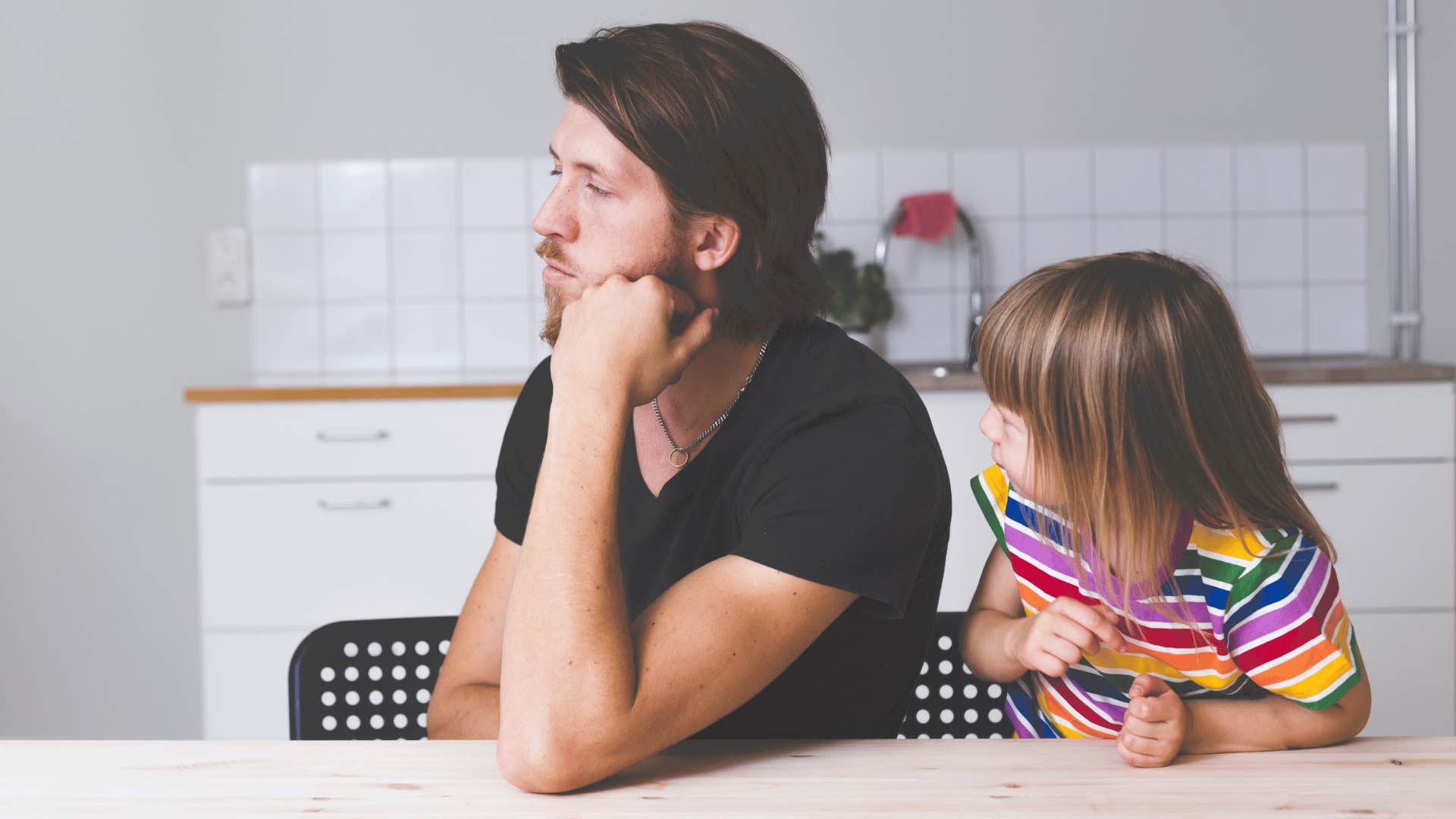
When sweet kids aren't allowed to express how they feel, they often become unhappy adults. Parents who shut down whenever their kids share difficult feelings send the subconscious message that their feelings are too much to manage, and shouldn't be shared out in the open.
When kids have dismissive parents, they learn to push their emotions away. While emotional repression kept them safe when they were kids, in adulthood, that repression keeps them from understanding how they really feel. They grow into unhappy adults because they were never allowed to experience the full range of their emotions, and now, they go through life feeling numb and disconnected.
In addition, research shows that when parents suppress their emotions, their kids feel it and there are negative outcomes as a result.
2. They were bullied and nobody protected them
 Hryshchyshen Serhii | Shutterstock
Kids who were bullied and never had a chance to heal often experience a lot of unhappiness that lasts well into adulthood. Being bullied is an undeniably painful experience, yet having access to certain tools can help kids cope.
According to UNICEF, it's important to listen to your child rather than dismiss them when they talk about their experiences. Don't tell them to toughen up or that it's not as bad as when you were a kid. Reassure them that you believe them and that you understand why they feel how they do.
Advocate for your child with the school. Partner with them to solve the problem, shifting focus away from punishing the other child or children and onto solutions so your child feels safe. You can also seek out the school social worker or support from a mental health clinician who works with kids, for additional support.
When kids don't have a support system like this, they often feel hopeless and unloved, even if their parents love them very much. This heartbreaking discrepancy often turns sweet kids into very unhappy adults.
3. They didn't have any friends
 Veja | Shutterstock
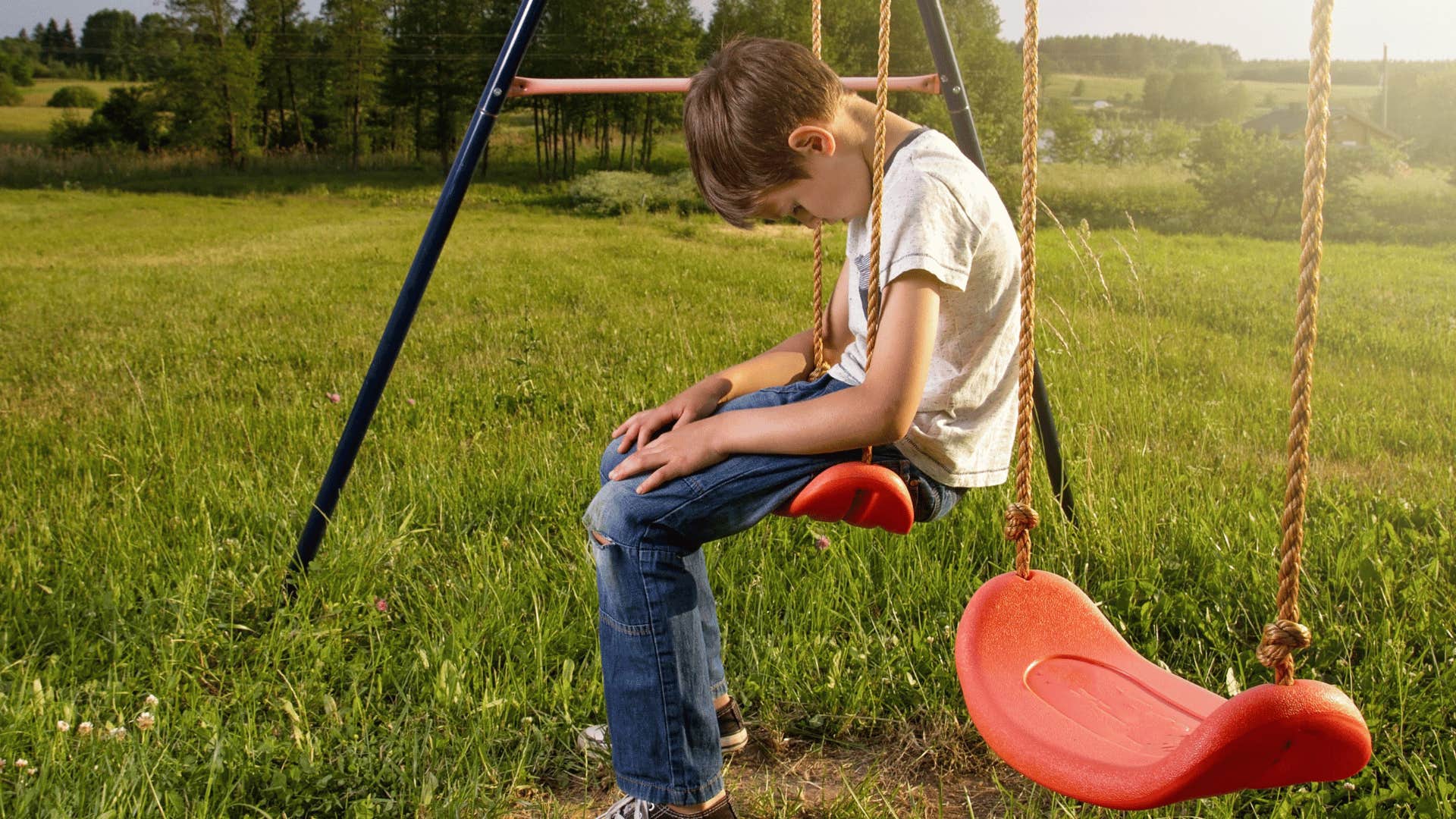
Having friends is essential for our long-term well-being, especially for kids. Forming friendships at a young age shapes kids' development, paving the way for them to have healthy, successful relationships later in life.
The British Psychological Society notes that having a close friend as a child supports social-emotional development and academic outcomes at school. They cited research that emphasized the importance of childhood friendships as teaching tools for collaboration and intimacy.
While some kids struggle much more than others when it comes to social development, experts agree that true isolation is often something parents can help their kids avoid. Finding social opportunities for kids with their same diagnosis or learning difference can be immensely helpful, as some kids don't know anyone else whom they can relate to in their school.
Parents can help even neurotypical kids find activities they love, where they're more likely to meet friends who share their interests. Too often, parents push their kids into activities the parents like more than their child does. As a result, the child isn't among peers who truly get them.
Parents also need to teach social skills to some kids more than others. They can practice being a good listener, questions to ask friends, how to "read the room" and imagine other people's feelings. As they get older, some kids may need more prodding to reach out to friends and a clearer structure for making sure that happens.
4. They had to handle big problems on their own
 Oleksiy Rezin | Shutterstock
Kids who weren't given the opportunity to learn healthy coping skills usually struggle to manage stress and anxiety later on. The Child Mind Institute defines coping skills as "practices we can use to reduce the intensity or frequency of an unwanted emotion" and the main way kids learn them is by practicing them with parents and trusted caregivers when big problems arise.
Having healthy coping skills can improve kids' moods and guide them to act with intention, since "coping skills can give kids the space they need to think before they act, helping them stay in control of their behavior." When they watch their parents model these, they become part of a child's stress toolkit for life.
Mindfulness, deep breathing, taking space, and journaling are all examples of healthy coping skills. Without the ability to self-soothe in challenging times, kids usually grow into unhappy adults. Worse, they likely feel like their parents abandoned them in a time when they really needed guidance.
5. They were harshly criticized
 AstroStar | Shutterstock
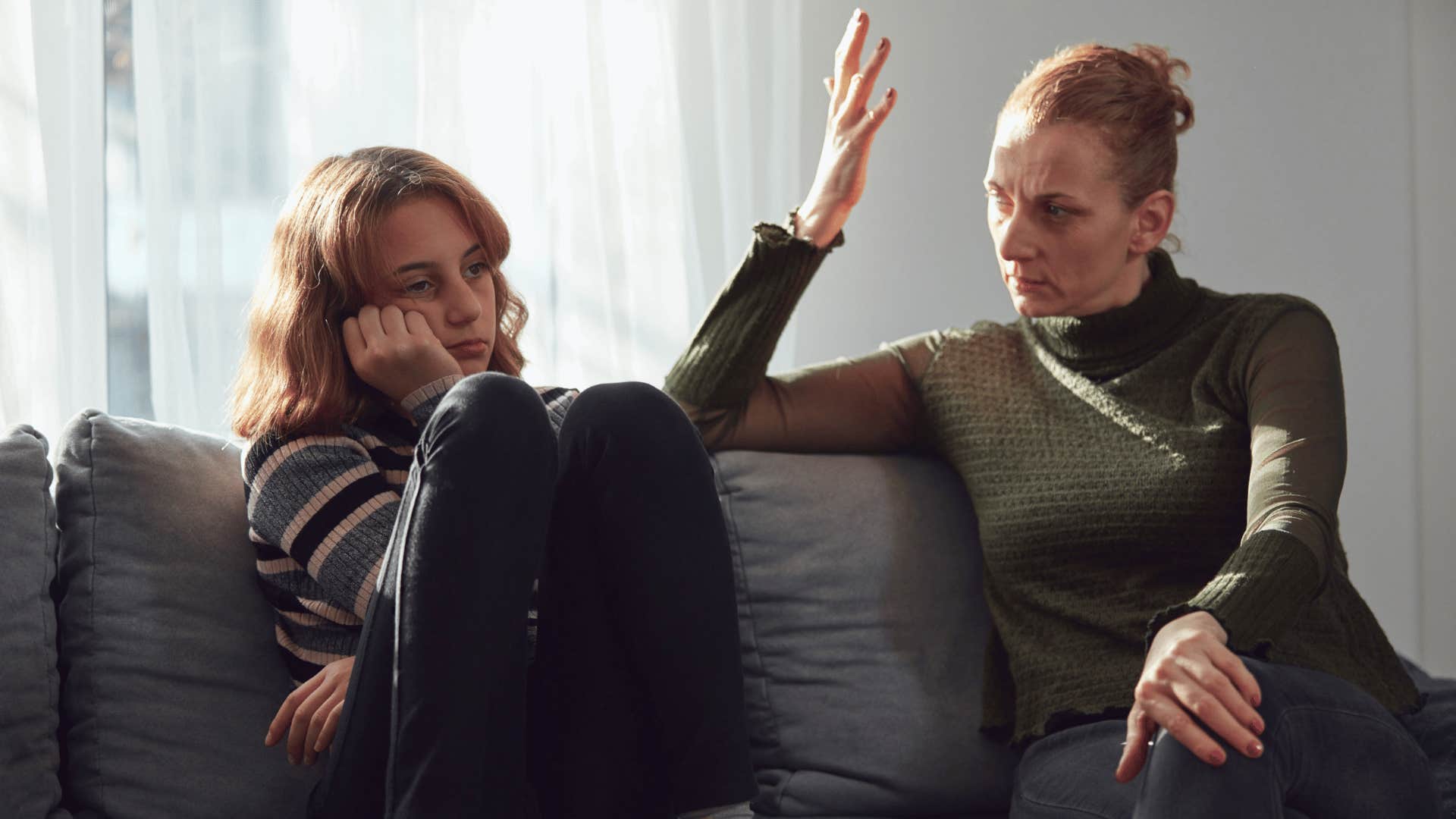
Kids who were the target of harsh criticism from their parents tend internalize their parents' critical voice, which then became a core part of their inner dialogue. As psychologist Nelda Andersone, PhD points out, "Research suggests that people with harsh self-critical tendencies encountered frequent judgments, ridicule, and a scarcity of positive regard during their childhoods."
Being criticized as a child negatively impacts people's self-worth, especially with sweet kids who may be more sensitive. They become adults who believe that nothing they do is good enough, and that they're unworthy of receiving love, compassion, and care. They measure themselves based on their childhood experience, and they still feel like they always fall short.
6. Their parents had unrealistic expectations
 fizkes | Shutterstock
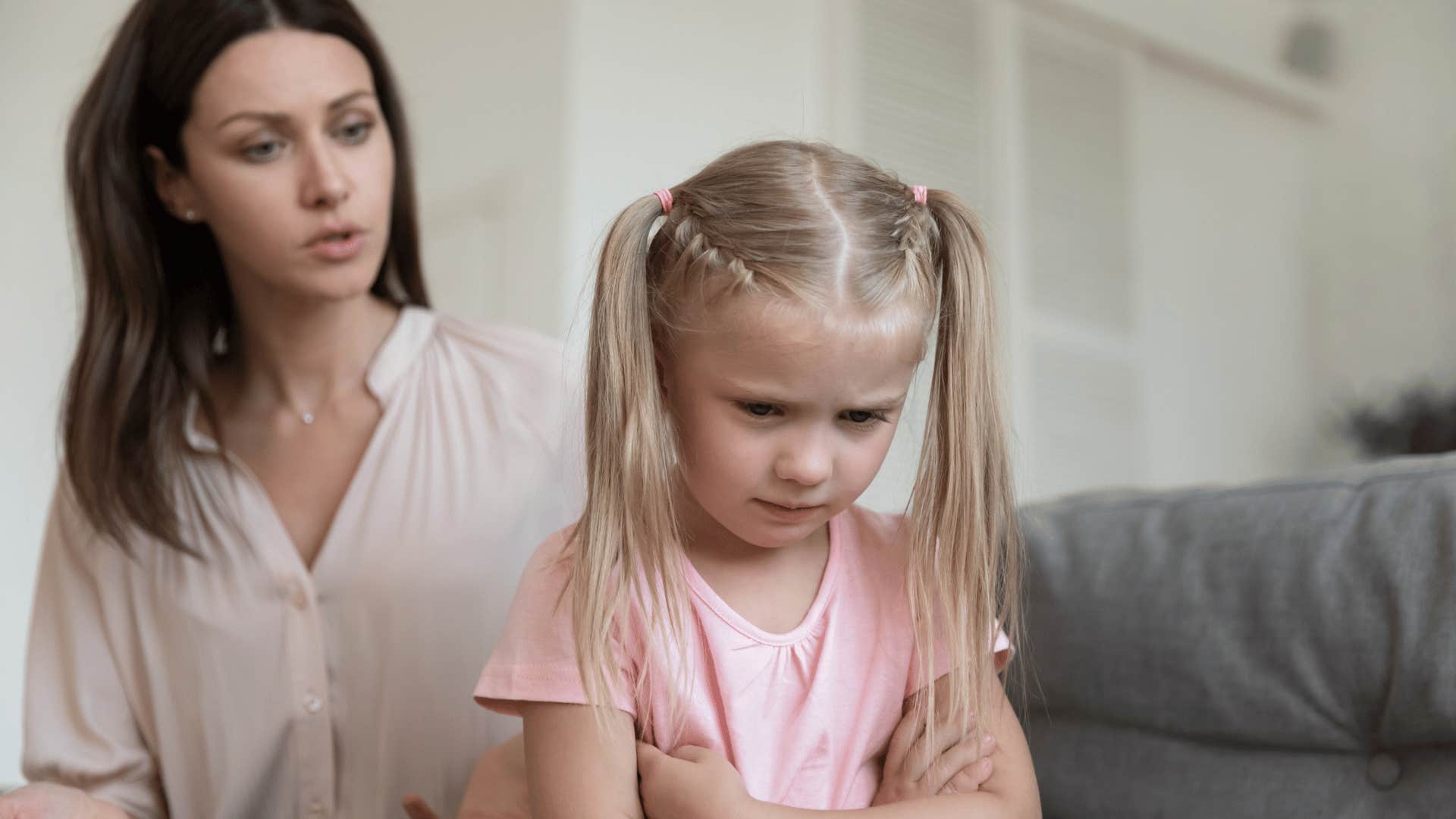
When kids are held to impossibly high standards by their parents, they are often scarred by how many times they let their parents down. As a result, many become perfectionists who believe they can't ever do anything right, no matter how hard they work. This makes the parents' love feel conditional, and can damage their relationship profoundly.
While setting high expectations can help kids grow, it can be a delicate balance. Set standards too low, and kids have nothing to achieve to. Set them too high and kids can't help but fail, and that starts to define their identity.
Being expected to meet unrealistic standards sets kids up to define their self-worth based on what they can achieve, rather than feeling worthy just for who they are. They hold onto that rigid mindset as they grow up, becoming unhappy adults.
7. They weren't allowed to make their own decisions
 kryzhov | Shutterstock
When kids make decisions for themselves, within an age-appropriate container of safety that their parents create, they learn that they're capable of doing hard things. They also get to know themselves, what they like and how to handle various challenges.
Kids who aren't allowed to make their own decisions become adults who feel lost in their own lives, because they lack a crucial sense of agency and self-efficacy.
According to developmental psychologist Marilyn Price-Mitchell PhD, self-efficacy is "a belief in one's capability to accomplish goals that influence the events in one's life... It is a determining factor in how we feel, think, behave, and motivate ourselves in the world."
Without a sense of self-efficacy, people have a hard time determining what makes their lives feel meaningful. They seek external validation or quick fixes to feel happy, but they're missing a core part of themselves: the part that believes they can face challenges and be successful.
8. They were compared to their siblings
 YAKOBCHUK VIACHESLAV | Shutterstock
While sibling rivalry is normal, experts insist parents should resist comparisons. After all, people who grew up being compared to their siblings never learned that they had value all on their own. They received the explicit message that they should try to be more like their siblings, which denied them the opportunity to develop their own unique identity.
Worse, they worried their parents didn't appreciate them or love them as much as their siblings, which led to them growing into unhappy adults, even for the sweetest kids. They felt their parents' love was conditional on them becoming more like the so-called better sibling.
When kids don't have a base level of unconditional support, they see adulthood as an unsteady experience. They never learned to trust their own instincts, because they were told that they didn't measure up to their brother or sister. As adults, they have a hard time seeing their own individual worth, which holds them back from being fully happy.
9. Their childhood home wasn't a safe emotional or physical space
 fizkes | Shutterstock
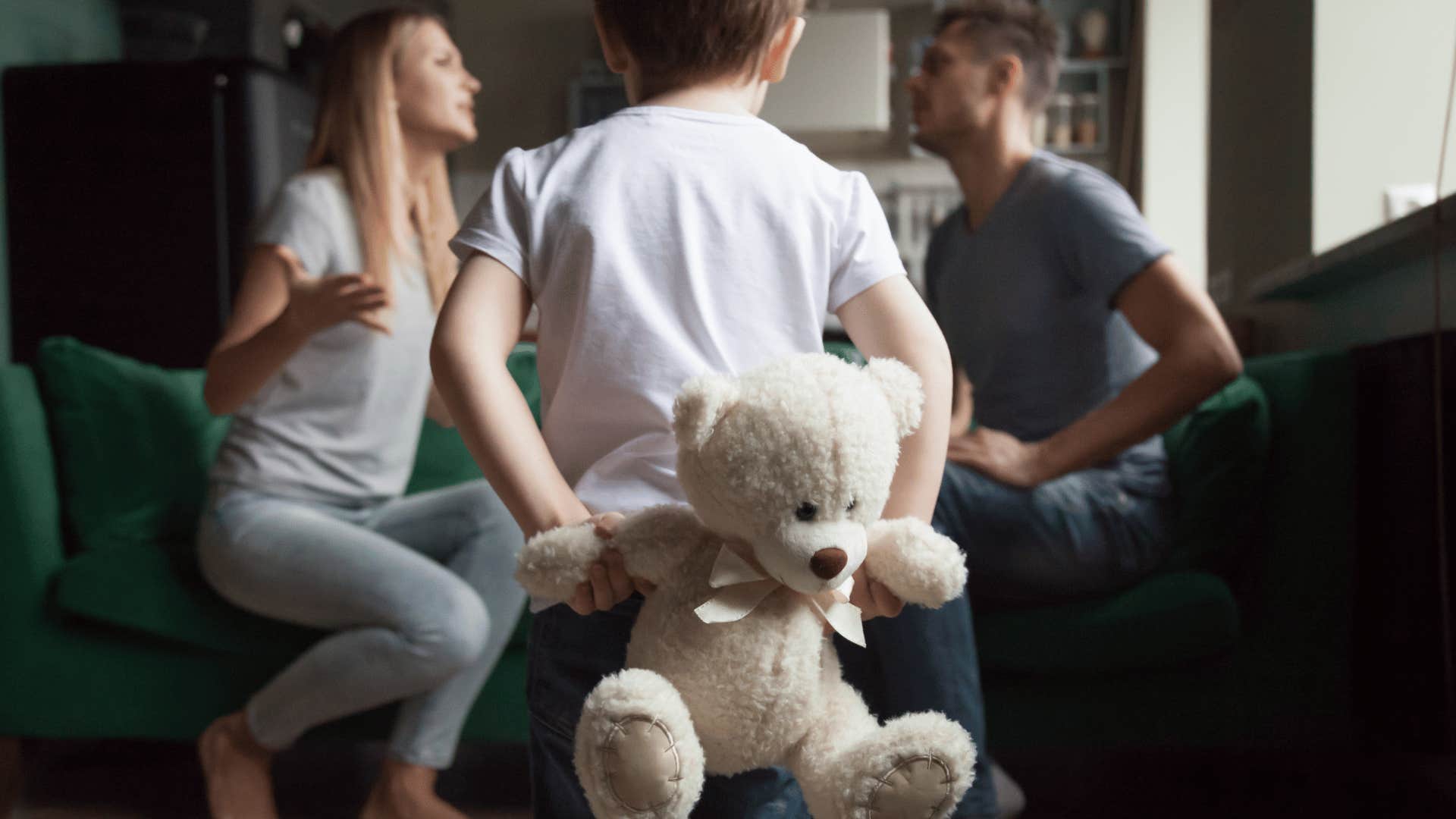
Having a sense of physical and emotional safety in childhood is essential for kids' social and emotional development. Without a safe space, kids can easily grow into unhappy adults.
To create a safe, secure home parents should avoid judging their kids' feelings or ask them to suppress them. According to licensed clinical social worker Katie Hurley, "What seems small to you might feel really big to your child."
"When kids are given the opportunity to express and work through their emotions, they learn how to regulate and cope with those big feelings," she explains, suggesting parents should listen first, before jumping in to help.
Finally, parents should and avoid suppressing their own emotions and instead model for their kids what it looks like to talk through their feelings and come up with a plan for how to handle them.
Physically, it should be very obvious that home should be a safe place for a child. No matter who is harming them, or even threatening harm, serious damage is done to a child. Parents, caregivers, siblings and any other person in the home are responsible for ensuring a child's physical safety above everything else.
Given all of this, it's no surprise that kids who were given the opposite at home often become unhappy adults. Not only did they not learn these coping mechanisms, they also had nowhere safe to land to talk through their feelings.
10. Their parents withheld affection
 theshots.co | Shutterstock
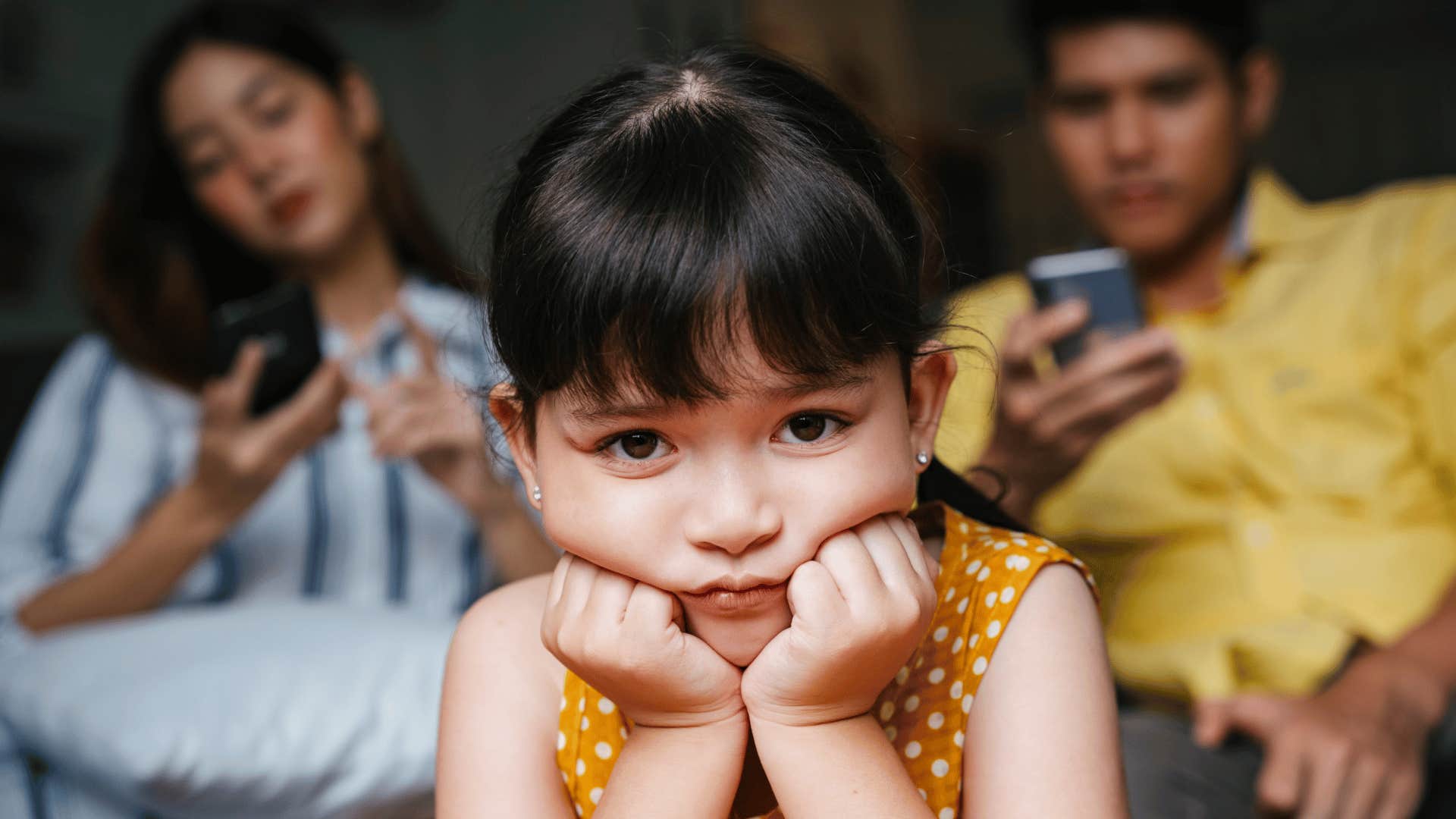
Kids need to be shown affection to develop a strong sense of self-love. When parents withhold affection, their kids suffer, and they struggle to have a stable, healthy adult existence.
According to The Gottman Institute, parental affection shapes a child's happiness for life. They report that a study followed babies from infancy all the way until age 30 to determine how their mother's affection impacted their happiness.
"The adults whose mothers showed 'extravagant' or 'caressing' affection were much less likely than the others to feel stressed and anxious. They were also less likely to report hostility, distressing social interactions, and psychosomatic symptoms," the Gottman Institute reports.
This trend has been reported in multiple studies, reflecting that affection and expressed love throughout childhood is directly correlated with later happiness and success.
Even worse is when a parent actively withholds affection, removing love and cuddles any time the child makes a mistakes or disappoints the parent. This emotional cruelty is often part of a system of family manipulation and a truly scarring childhood experience.
11. Their achievements weren't acknowledged
 VGstockstudio | Shutterstock
Kids also need positive affirmation, and if their achievements aren't acknowledged, they likely don't develop the confidence they need to face the harder parts of life. They learn self-trust from both within and without, interpreting their parents' pride to gain a strong sense of self-worth.
They need to know that their hard work is seen and appreciated, even when they make mistakes. When kids don't hear encouragement, they struggle to see themselves as worthy, which carries into adulthood.
This often happens as part of "uninvolved parenting" which is a type of neglectful parenting. Uninvolved parents affect their kids' future adulthood greatly, often causing low self-esteem and impaired social development. Most parents don't intend to create a scarring childhood experience, they're often just involved in their own problems to notice that their child isn't getting the acknowledgment they need in order to develop into happy adults.
Alexandra Blogier, MFA, is a staff writer who covers psychology, social issues, relationships, self-help topics, and human interest stories.

