
When Adult Children Go No Contact, It's Usually Because Their Parents Had 11 Painful Traits
 Krakenimages.com | Shutterstock
Adult children who choose to cut off communication and distance themselves from their parents often do so as a last resort. It's not because they love their parents any less, but because they believe the way their parents show up in their lives causes more harm than good. When adult children go no contact, it's usually because their parents had certain painful traits as they were growing up, and it's since affected them into adulthood.
Parental estrangement lasts an average of nine years, with going no-contact with mothers lasting over five years, and estrangement from fathers lasting over seven years. And while estrangement isn’t always permanent, it indicates that the established familial relationship between parents and their children is no longer functional.
When adult children go no contact, it's usually because their parents had 11 painful traits
1. A lack of empathy
 fizkes | Shutterstock
When adult children choose to cut off contact with their parents, it's usually due to a lack of empathy, which means they struggle to recognize other people’s emotions. As certified life coach Mitzi Bockmann explained, someone who lacks empathy is often judgmental of other people’s emotions. They're unwilling or unable to understand their feelings, so they don’t have the necessary bandwidth or perspective to hold how other people feel.
Bockmann noted that people who lack empathy often struggle to maintain relationships long-term. Vulnerability is a core component of having close connections, and people without empathy can’t show it. They also have a hard time understanding how their behavior affects others, which is why an unempathetic parent might not understand why their adult kid made the decision to go no-contact.
2. Controlling tendencies
 Motortion Films | Shutterstock
It’s highly possible that parents who were present and available when their kids were young became accustomed to making important decisions for them and struggled to recognize their independence once they became adults. They might try to micromanage their adult kids’ lives, creating tension and exposing their controlling nature. But it goes beyond just that.
According to psychotherapist Imi Lo, "If they could not control you with orders and restrictions, they may resort to mentally manipulative strategies such as inducing guilt in you, threatening to abandon you, or withdrawing financial support from you. They may even recruit you to be 'on their side' against their spouse, which places you in an impossible dilemma."
So while controlling parents might not think they’re doing anything wrong, if they’re unwilling to step back and change their behavior, their adult kids will likely cut them off once they grow up.
3. Ignoring boundaries
 shurkin_son | Shutterstock
When adult children go no contact with their parents, it's usually because they refuse to respect their boundaries and need for space, or their desire to establish an autonomous identity, one that’s separate from how they were raised. Parents without boundaries often overlook or overstep the limits their adult children have set, which inevitably leads to deeply harbored resentment.
According to developmental psychologist Dr. Lucy Blake, about 20% of adults experience estrangement from their father throughout their lifetime, and 9% are estranged from their mother. As Dr. Blake noted, “Although it can be extremely painful and difficult for people, there are ways in which estrangement ensures people’s safety and well-being.”
Respecting boundaries is essential to healthy relationships. When parents repeatedly refuse to acknowledge their adult kids’ boundaries, they risk being cut off, and for good reason.
4. Dismissing their children's feelings
 Goksi | Shutterstock
Parents dismissive of their adult kids’ emotional experiences often end up estranged from them. They invalidate their feelings by labeling them as too sensitive or telling them they’re overreacting if they express how they feel. Adult children who feel like their parents don’t hear them or support them might struggle to stay connected, which can often lead to them cutting off contact altogether.
Kids need to feel validated by their parents, even in adulthood. Parents who are overtly critical or judge their adult kids for sharing their vulnerabilities often don't stay close to them. Suppose parents downplay their kids’ emotions or maintain that a problematic experience wasn’t that bad. In that case, their kids may put emotional or physical distance between them as a form of self-protection.
5. Being overly dependent on their kids
 fizkes | Shutterstock
Parents who are overly reliant on their adult children for emotional or practical support often trigger estrangement. Because they have an unhealthy dependency on their adult kids to fulfill all their needs, parents create a tense environment that’s unsustainable in the long run.
According to neuropsychologist Dr. Kelsey Schultz, an enmeshed relationship is "an extreme closeness that constrains autonomy and blurs emotional boundaries between individuals in a relationship.” When adult children are entangled with their parents, they usually aren't given the space they need in childhood to differentiate from their parents and establish their own identity.
Enmeshed families tend to display high emotional reactivity, especially when parents perceive their needs as not being met. Whether they call multiple times a day or expect a rigid adherence to family traditions, parents who are too dependent on their adult children often push them away.
6. Never offering encouragement
 Chay_Tee | Shutterstock
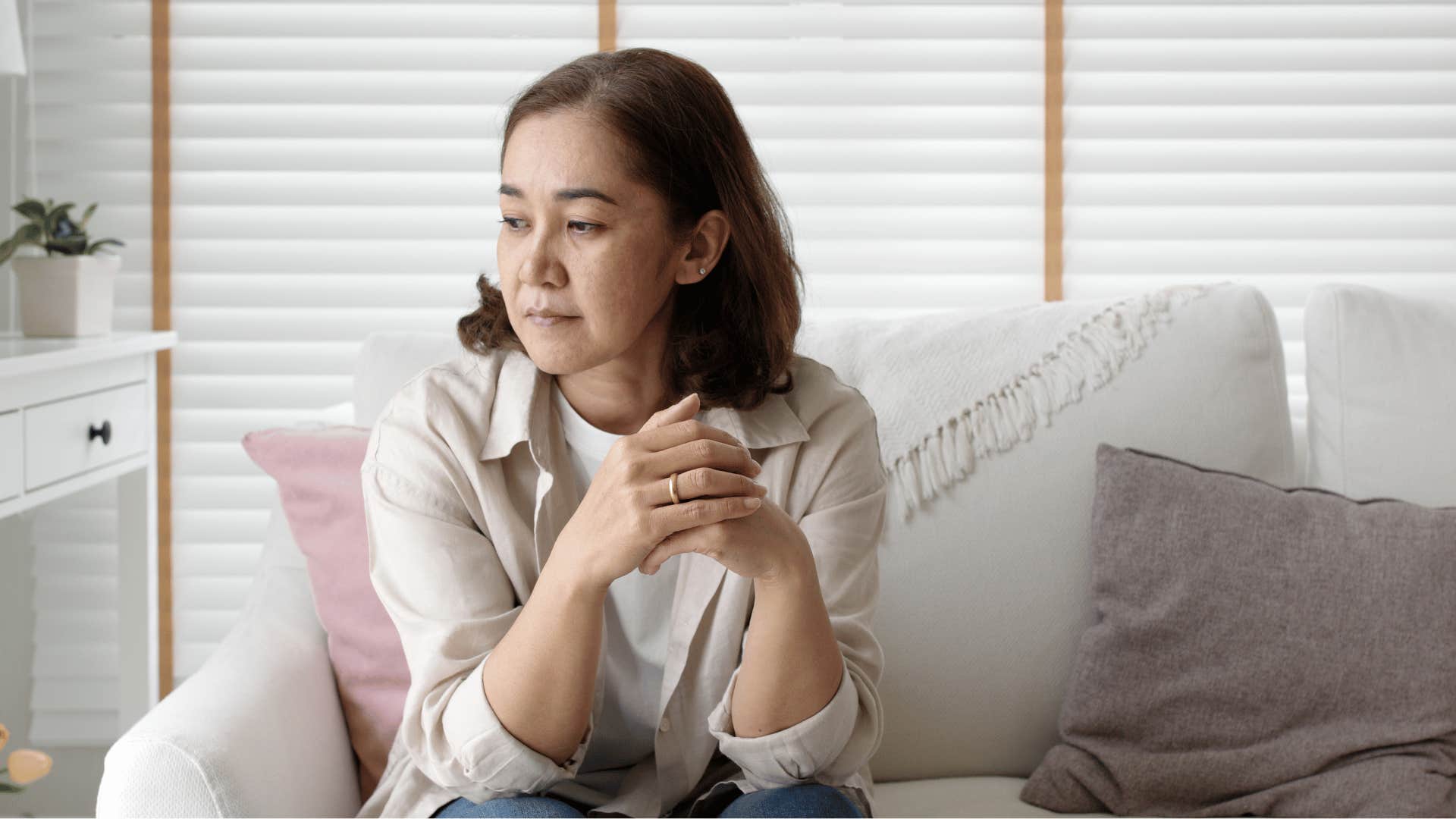
When parents don’t offer their children encouragement or emotional support, it's likely that when they grow up, their kids will go no contact. To develop a healthy sense of self-efficacy and self-worth, kids need to feel validated by their parents. While parents who are harshly critical of their children actively damage their confidence, parents can also hurt their kids by being distant and disengaged.
As sociologist Erika Johnson pointed out, "One common reason an adult child may become estranged from their parent is the realization that the relationship they desire is unattainable.” She continued, “As children, we often seek our parents' love, respect, and pride,” noting that in adulthood, “We may find that our efforts are futile, leading to feelings of hopelessness and unworthiness.”
7. Perpetual victimhood
 fizkes | Shutterstock
Parents whose adult children go no contact often blame others for their problems, including their children, and refuse to offer apologies when they’ve made a mistake. By positioning themselves as the ones being hurt, they eschew the need to hold themselves accountable for their behavior.
Parents who always play the victim put their adult children in a difficult position, as their kids can rarely bring up issues without their parents guilt-tripping them. Because they don’t acknowledge their role in any family conflicts, their children end up feeling like they’re responsible for managing their parents’ emotions.
8. Emotional inconsistency
 fizkes | Shutterstock
Emotionally inconsistent parents don’t stay close to their adult kids, as their behavior creates an unstable and tense environment, and their children go no contact as a self-preservation method. Parents who aren’t able to regulate their own emotions tend to swing back and forth between being affectionate and supportive and distant or downright cruel.
Their emotional instability leaves their children in a state of confusion, as they don’t know which version of their parents to expect. Unfortunately, parental inconsistency can disrupt children’s emotional development, which can have a major impact on them even after reaching adulthood.
They might not know how to form relationships with a secure attachment style because they weren’t securely attached to their parents. Adult kids with emotionally inconsistent parents might make the difficult decision to go no contact once they grow up as a way to give themselves space to heal.
9. Perpetuating conflict
 fizkes | Shutterstock
When adult children go no contact, it's usually because their parents constantly create conflict, whether it's among their siblings, other immediate family, or extended family members. Their chaotic presence leaves their children feeling stressed or emotionally drained.
Creating unnecessary drama puts their kids in a difficult situation. Unfortunately, parents with a propensity for stirring up conflict might rely on various tactics, like playing favorites between their kids or triangulating siblings against each other to garner support. To protect their peace, their children distance themselves, which often means cutting off contact.
10. Narcissistic tendencies
 Twinsterphoto | Shutterstock
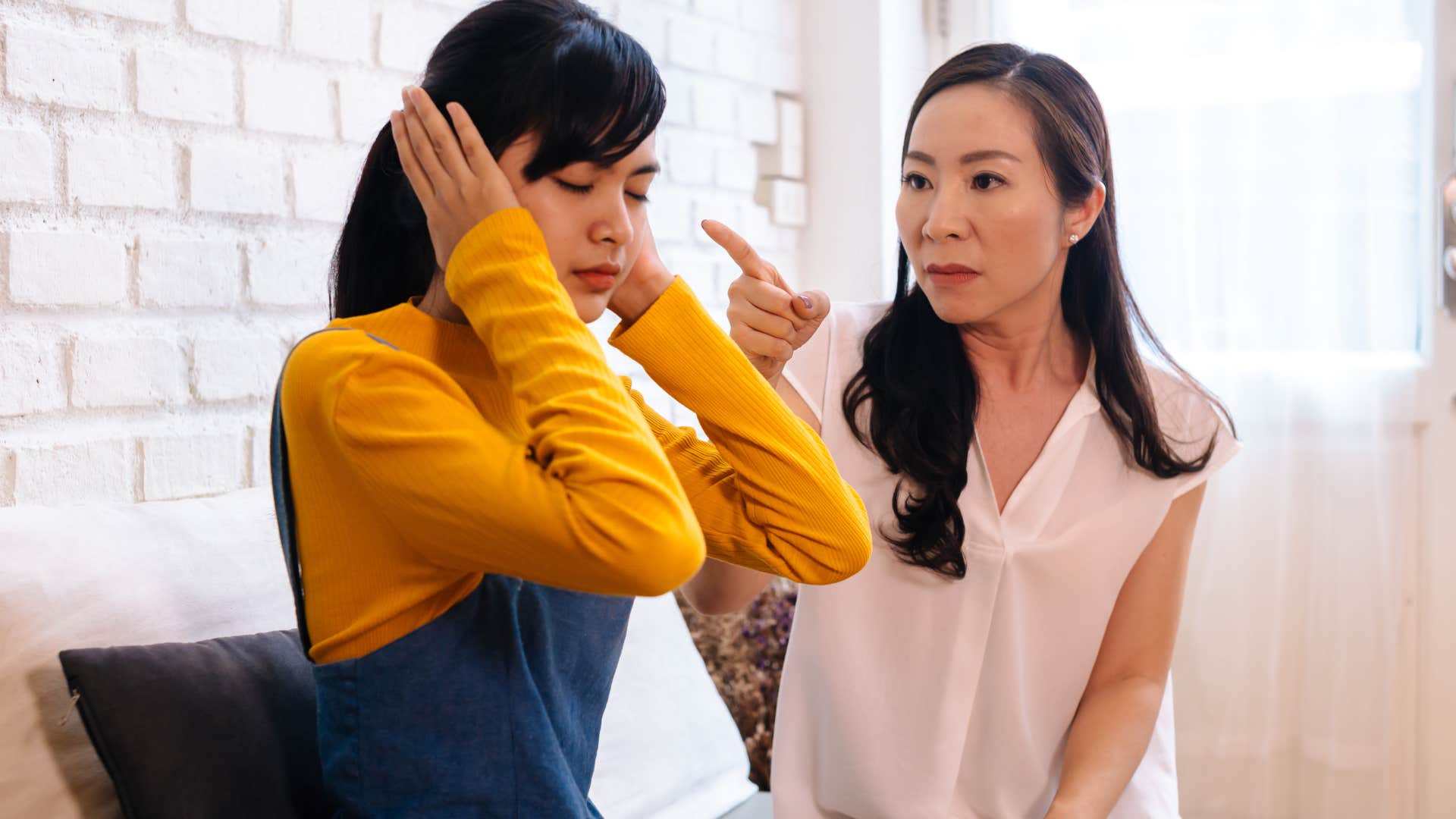
When someone grows up with one or both parents being narcissists, it not only affects them in childhood, but well into adulthood. A narcissistic parent will center the family dynamic around their own needs and emotions, using their children for validation rather than nurturing their independence. Over time, these actions make their kids feel invisible, and they grow into adults not wanting to have them around.
Due to a lack of emotional connection, it's no surprise that adult children of narcissists tend to cut off contact completely. Rather than have a one-sided relationship with their parent or parents, they no longer ignore their patterns for the sake of keeping the peace. Instead, not having their parents around is the ultimate way to maintain their sanity.
11. Withholding affection
 BearFotos | Shutterstock
Whether it's never offering physical touch or emotional warmth, parents who withhold affection when their kids are young create adults who go no contact. They taught their kids that love was conditional, and children internalize that belief that they must earn care rather than naturally deserve it. This type of behavior from a parent makes their kids feel inadequate and with a life-long yearning for validation.
But rather than putting up with cold, distant parents who make their love strategic, creating confusing along the way, adult children go no contact to avoid anxiety and hyper-awareness. They understand that they can't change a parent who meets their request for actual affection with discomfort or continued distance, and choosing no contact allows them to seek healthier forms of connection elsewhere.
Alexandra Blogier, MFA, is a writer who covers psychology, social issues, relationships, self-help topics, and human interest stories.

