
Americans Have Mostly Stopped Buying These 3 Things That Simply Aren’t Worth The Price Anymore, According To Data
 Guillem de Balanzo | Shutterstock
Angelic Lagor, known on TikTok as @quittingdebt, shared a video about things Americans are no longer purchasing as frequently, if at all, because they're just not worth the money. Since we're all pinching pennies these days, her observations are spot on.
She explained, "The problem is, people are making sacrifices, but because their wages aren't keeping up with inflation, we're really starting to see the pain point." For decades, Americans have found themselves in a pattern of earn, spend, and repeat. Whether it's buying the latest upgrade or repurchasing a well-used product, people shell out their hard-earned cash at every opportunity. However, this cycle is beginning to break.
Here are 3 things that Americans have mostly stopped spending money on because they aren't worth the price anymore:
1. Cars
 Standret | Shutterstock
"Car sales have fallen for the first time since 2022, and I really feel like it's accredited to the fact that there are now subscriptions tied to auto," Lagor said. The costs of owning a car can add up extremely fast. Between lease payments and car insurance bills that occur monthly, not to mention yearly registration renewal, these essential costs are becoming too much for some people. This doesn't even include any maintenance or usage-based costs, such as gas, warranties, roadside assistance, tolls, or parking fees.
General Motors, the largest car maker in America, reported declining sales as of April 2026. Data from Cox Automotive shows that the average price of a new vehicle has reached almost $50,000, and economic uncertainty doesn't indicate when or if it will start going back down.
David Christ, general manager of the Toyota Division at Toyota Motor North America, shared in an interview, "Car prices have gone up, interest rates have gone up, now gas prices have gone up. The consumer is just getting whammo-ed."
2. Dining out
 Drazen Zigic | Shutterstock
According to Lagor, "We're seeing a huge decline in eating out, and that's usually the number one thing to go when money is tight." While prices of eating out and getting takeout have risen, the experience hasn't improved nearly as much.
Restaurants are facing more expensive ingredients, labor costs, and rent, which are eventually passed to customers through increased menu prices and added service fees. On top of that, tipping expectations have expanded, making even a small bill feel much higher than anticipated.
The Consumer Price Index from December 2025 revealed that the cost of eating out has risen 4.1% over the last year, which is nearly double the inflation rate of groceries. Cooking at home has become a much more appealing alternative for many, both for the affordability and the quality.
The value of dining becomes diminished when people can create restaurant-quality dishes at home for a fraction of the price and avoid slow service. It's become just another convenience to pay for, rather than a special experience.
3. Decor, clothing, and appliances
 NDAB Creativity | Shutterstock
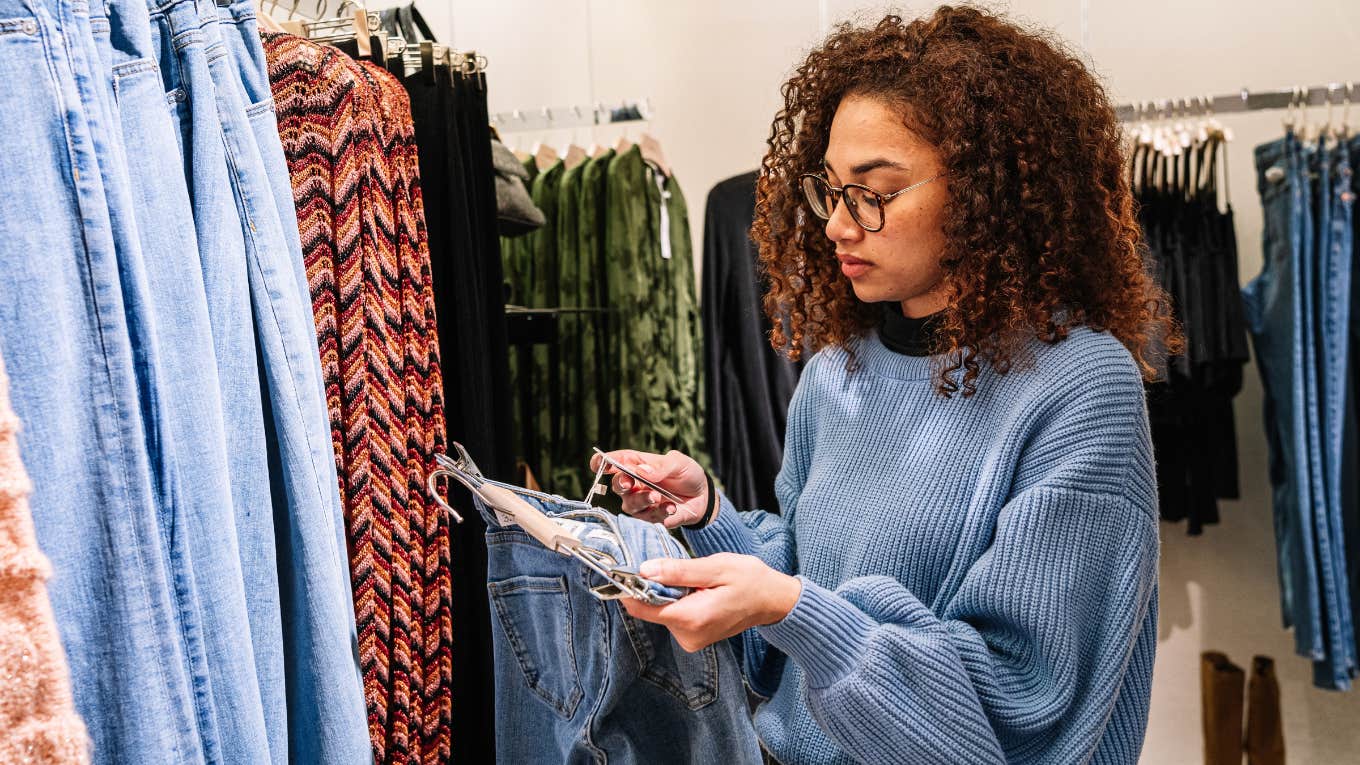
"We're also seeing a decline in home decor, new clothes, as well as big appliances, but we're not surprised," Lagor shared. "A lot of it is driven by the tariffs." Low retail sales over the last few months have hinted at an economic slowdown, also reflected in a declining job market and slowed wage growth.
Certain areas are hurting more than others, namely home products and new clothing. A report released by the Commerce Department shows that furniture store spending fell 0.9%, and clothing retailer spending is down 0.7%. "Consumer spending has finally caught up with consumer sentiment, and not in a good way," said Chris Zaccarelli, chief investment officer for Northlight Asset Management. "This month's data show that consumers are no longer relentlessly increasing their level of spending."
Frivolous spending is a thing of the past these days, not as a revolt against consumerism but out of necessity. Everything is expensive nowadays, and that means prioritizing needs over wants.
Kayla Asbach is a writer currently working on her bachelor's degree at the University of Central Florida. She covers relationships, psychology, self-help, pop culture, and human interest topics.

