
You Can Usually Tell Someone Grew Up As The ‘Cinderella’ Of Their Family By 5 Behaviors That Are Obvious Once You See Them
 BongkarnGraphic / Shutterstock
Doing chores is normal for kids, but when one child takes on more than their share, it can become problematic. Helen Villiers, a behavioral psychotherapist, explained in a video that "Cinderella Syndrome" is when one child is made responsible for more than they should be.
For example, this child will often babysit the other kids, do chores that aren't "developmentally appropriate" for them, and if they dare to say no, they are met with shame, humiliation, and punishment. While Villiers says this tends to happen most to the oldest girl in the family, it can still happen to any of the children and have significant ramifications into adulthood that are often visible in their everyday habits.
Here are 5 obvious behaviors that show someone grew up as the 'Cinderella' of their family:
1. They take on extra tasks without being asked
 Nicoleta Ionescu | Shutterstock
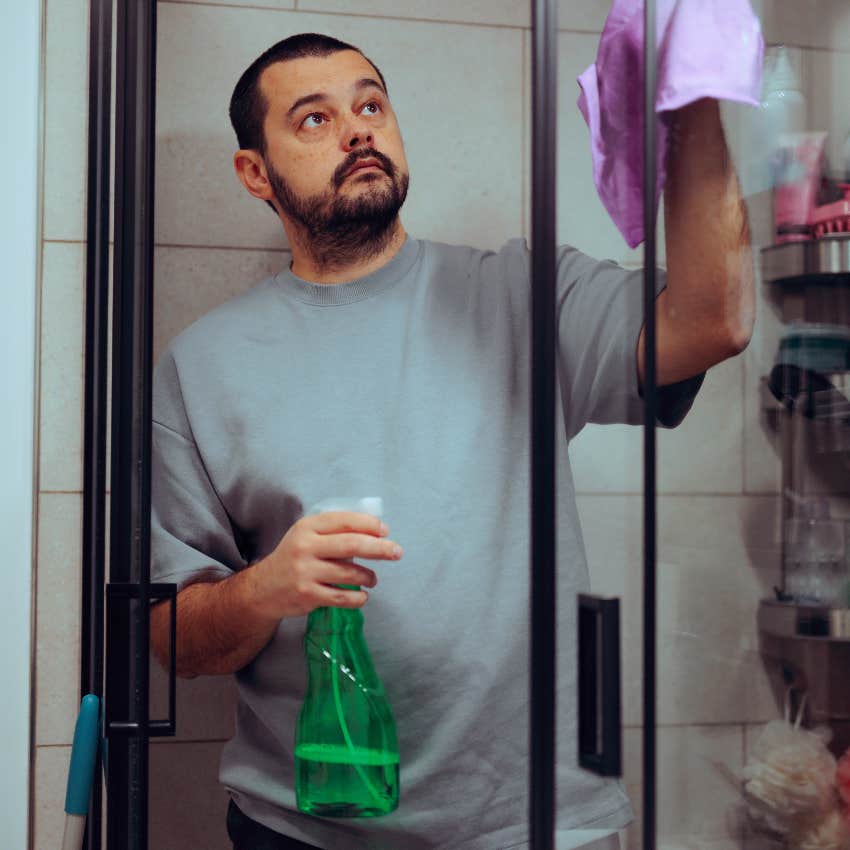
It's not a choice, it's automatic. At work, they tackle more projects so they don't go unfinished. At home, chores and scheduling are always their responsibility. In social settings, they're known as the "person who makes things happen."
While it might come across as motivation and a willingness to help, the urge to always take on extra tasks stems from internal conditioning. They don't like to delegate, because doing it themselves is more reliable than trusting others. Stepping in and taking responsibility is part of their identity.
2. They feel uneasy if things are messy or disorganized
For kids who grew up with Cinderella syndrome, it goes far deeper than just liking things to be tidy. There's a constant pressure to handle things immediately. Even if they're tired, they prefer the stability that comes along with order in the home.
Conversely, they might actually hate cooking, cleaning, and doing chores. The overwork and resentment built up in their childhood from taking on all these tasks may feel unbearable as adults, even if it causes stress and anxiety when the chores don't get done.
3. They get uncomfortable when someone tries to take care of them
 Prostock-studio | Shutterstock
Being taken care of by someone else is far out of their comfort zone. Receiving any kind of gifts, support, or attention feels uncomfortable and awkward, and they often feel the need to repay the gesture, even if it's not necessary.
Having always been the caregiver and never receiving care in return makes these individuals feel especially vulnerable. They are only in control when they're helping or giving, and when they don't feel needed, it may lead them to eventually shut out their loved ones.
4. They feel guilty when relaxing
Relaxing is a foreign concept to them. Their body may physically want to rest, but their mind is constantly listing everything they should be doing instead. Watching TV or scrolling on their phone isn't enjoyable because it feels like wasting time. They'll believe that they haven't "earned" the right to rest until everything is done, which rarely happens.
As a child, their productivity was a direct measure of their worth. They're used to being in a constant state of "on" so they can anticipate any needs or problems that may arise. Whenever they try to rest, they can't escape the feeling that they're neglecting something.
5. They avoid asking for help
 MAYA LAB | Shutterstock
Often framed as independence, people who were the "Cinderella" of their family prefer to handle things themselves, no matter how time-consuming or overwhelming it is. It's natural to help others, but it feels extremely uncomfortable to ask for help in return.
This pattern formed because asking for help either didn't work or wasn't an option. The default became self-reliance, and it's a tough habit to kick. It's common for them to feel like a "burden" or like they're bothering the people they need assistance from. While this is obviously not true, they still feel that hesitation.
Kayla Asbach is a writer with a bachelor's degree from the University of Central Florida. She covers relationships, psychology, self-help, pop culture, and human interest topics.

