
Gen Z, Millennials & Boomers Have Completely Different Ideas Of What Emojis Mean
 Miljan Zivkovic | Shutterstock
Emojis are a fun way of expressing how you feel without being verbose. When we're texting people, it's hard to convey emotions using just words, so having a little picture to accompany it can be helpful for the person on the other end.
But emojis don't mean what they used to: now, we've assigned them our own meanings. People of varying ages don't always agree upon what those definitions are, which can make intergenerational texting a bit... confusing.
Gen Z, millennials, and boomers all use these emojis differently, which can make you question whether you're using them wrong:
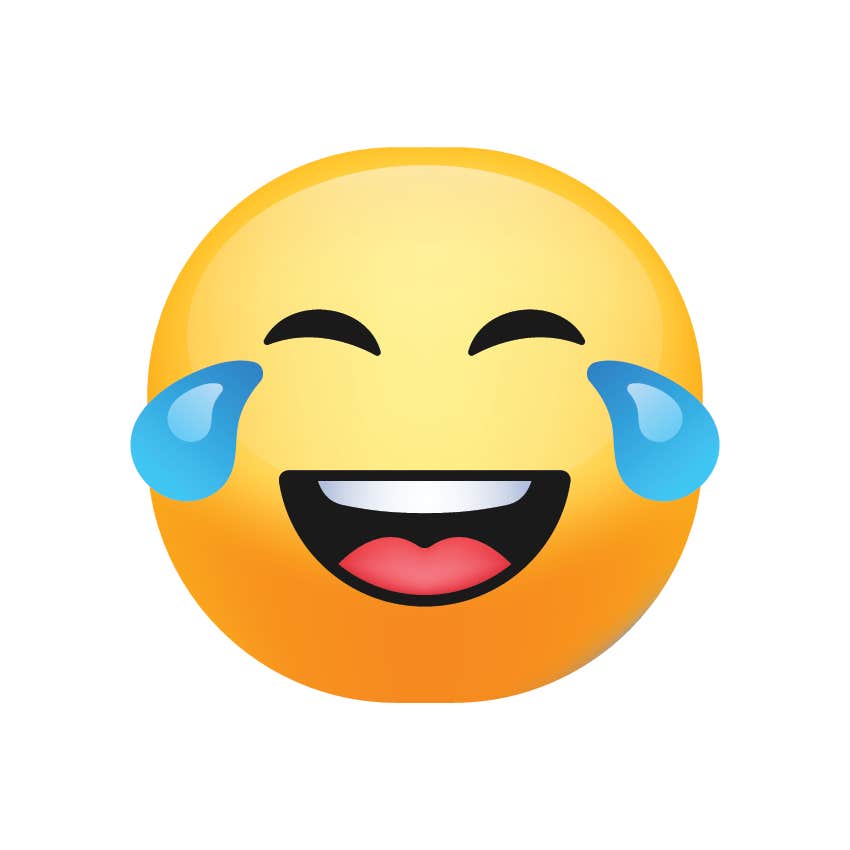
Laughing-crying face
 strike009 | Shutterstock
One of the most iconic emojis, which easily topped the charts in popularity when first released by Apple. The original usage of this was to express how funny something is, like when tears form in your eyes from too much laughter.
Boomers like to use it in a traditional sense in response to a Facebook meme they may like. Millennials are in a similar vein, using this again to communicate that they find something humorous.
However, on the completely opposite end of the spectrum, Gen Z feel as though they've "outgrown" the emoji, finding it cringe when used by their peers. They're more keen on using emojis such as the skull or crying face in place of this classic.
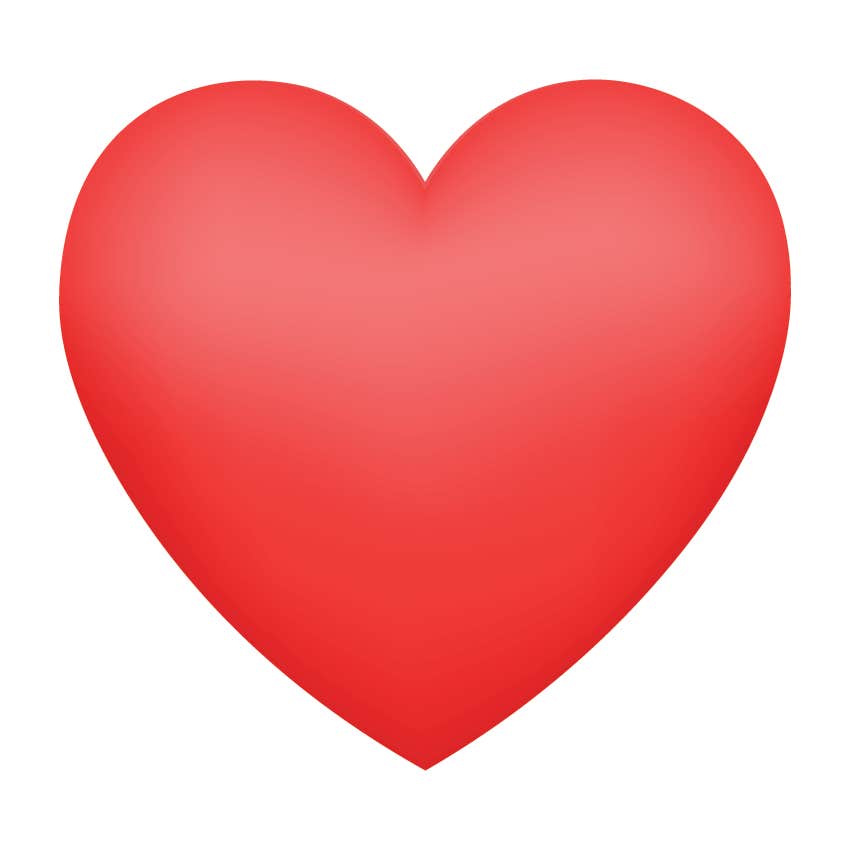
Red heart
 MohammadKam | Shutterstock
The heart is no new feature. It's been around in the world of texting ever since MySpace, when people used the "<3" emoticon. Now, the different colors seem to hold meanings.
For millennials, who were the first to break in texting, it's heartfelt and romantic, even used among friends. Boomers also use the symbol in a genuine, loving way. For Gen Z, though, it's seen as outdated. They've either reverted to the "<3" classic, or other color hearts such as the pink one added several years ago.
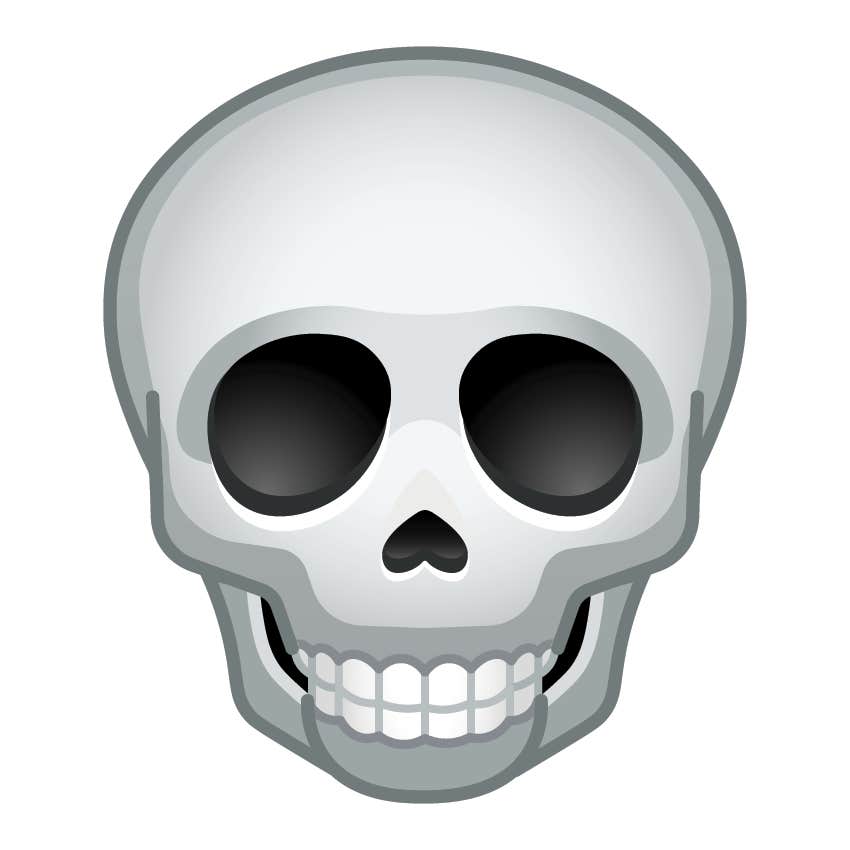
Skull
 Eugene B-sov | Shutterstock
What was once an emoji used only once a year on Halloween is now in heavy circulation thanks to Gen Z reviving it (no pun intended). For boomers and millennials, it's really only used in semi-serious situations or to signify something eerie.
But for Gen Z, it's a step above the average crying-laughing face. They use it to mean "I can't breathe" or "I'm dead"... not literally, but that they're deeply amused by a joke or situation.
Baseball cap
 daddy.icon | Shutterstock
For some, it's just a hat, one of the many variations that Apple or Samsung offers in their emoji catalog. But for the younger generations, it's linked with new slang.
"That's cap," which originally meant that a person was bragging about something to the point of falsehood, has recently been used to call someone out. Now, Gen Z floods comment sections with the emoji, and it confuses the older generation. For them, it's still just a blue baseball cap, rarely touched or used while texting.
Fire
 Creabiz | Shutterstock
This emoji has been commonly used across the board. Boomers will include a fire emoticon when signaling danger, or a real fire. They take the meaning behind emojis much more literally. However, millennials and Gen Z use it in a metaphorical way.
For millennials, it's a way of expressing that something is really good (like the saying, "that's fire!"). It can be used in response to delicious food, a trendy outfit, or a stellar photo.
Gen Z uses it in a "fiery" new way. They're using it in a "you're hot" way to show attraction.
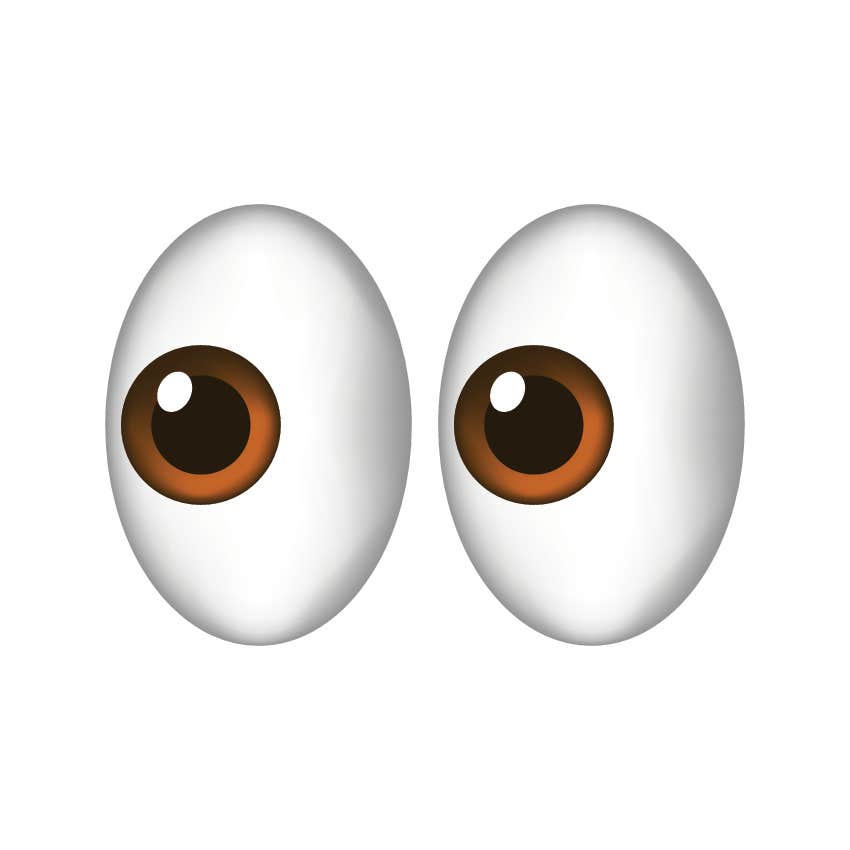
Eyes
 Pavel Talashov | Shutterstock
It seems that the "eyes looking to the side" emoji is another one everyone uses. Gen Z has the most elusive meaning, as it is representative of the saying "tell me more." Usually, it's used by the generation in order to prompt their friend to give them the juicy deets regarding drama.
For millennials, it's got everything to do with interest. They use it alongside commentary about wanting to see a movie, or even expressing that they're impressed (usually found within a social media comment section). Boomers view it as quite literally being seen.
Prayer hands
 Chaudary Hamza | Shutterstock
Boomers take the prayer hands literally, with the emoji's original intent in mind. Often, it is used to indicate that they're praying for someone, even to send their best wishes.
Millennials and Gen Z agree that the more modern usage is to relay their thanks to the person on the other end.
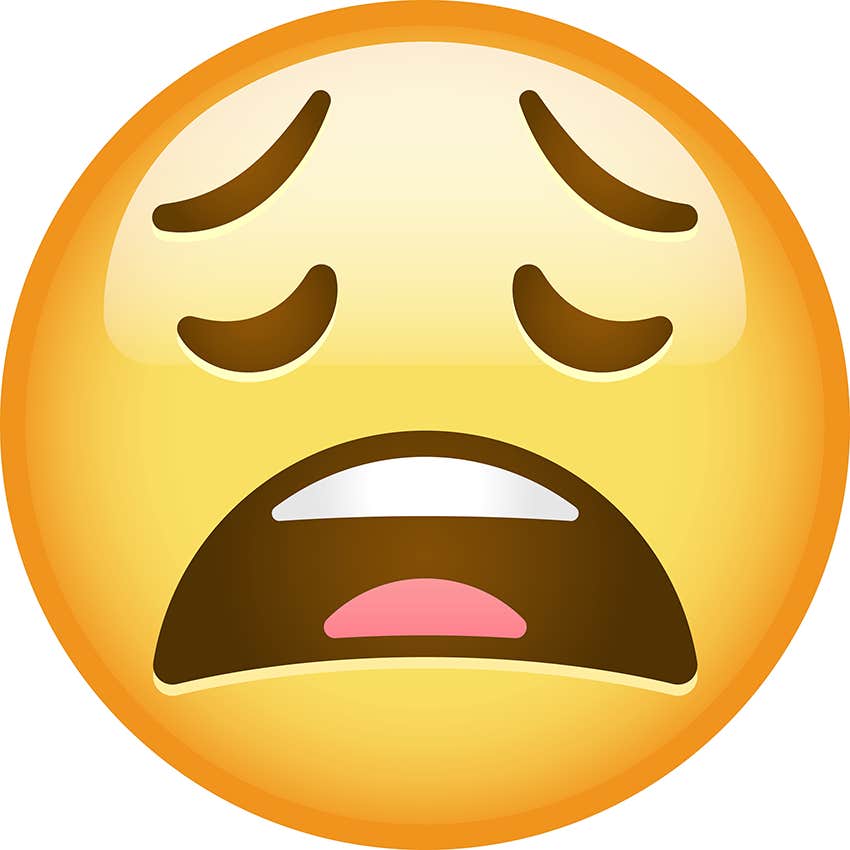
Weary face
 rcherem | Shutterstock
This is one of the other face emoticons that has crept into circulation over the past couple of years, particularly popular with younger generations.
Gen Z uses it in a very similar way to the fire emoji. Think someone's hot? You can use this emoji in order to show your attraction. They'll probably be flattered.
Millennials and boomers don't view it so positively, though. For Gen Y, it's a visual "help" indicating they've hit a stroke of bad luck. Similarly, boomers use it to deliver bad news (nothing too dire, of course), and to express their sadness.
Sparkles
 Valentina Vectors | Shutterstock
The sparkles emoji is much more underrated, but definitely has its moments to shine. Back in 2020, it was particularly popular with the Gen Z community. They'd use it alongside compliments like "you're slaying!" Although it's less commonly used by that age group now, it still shows up from time to time.
Millennials have a strong affinity towards this emoji. To them, it's something that's magical and should be used when something gives off whimsical vibes.
As for boomers, although they're familiar with the emoji, they don't use it often. It's more so used on special occasions to represent literal sparkles.
Thumbs-up
 JosepPerianes | Shutterstock
Although we all have different ideas of emoji usage, this is one we can all agree upon. Not just boomers, millennials, and Gen Z use it: it's popular across all generations.
The simplicity of the thumbs-up emoji will continue to prove that despite generational differences, there are some things that everyone just agrees on.
Gabrielle Mattes is a writer working towards a Creative Writing degree. Her focus is lifestyle, wellness, human interest, and relationships.

