
Women Who Grew Up Always Having To Be Good & Polite Have 8 Habits That Honestly Make Them Easy To Spot
 Anastasija Vujic | Shutterstock
For many women, being polite and good weren't just personality traits they picked up as kids. It was an expectation that shaped how they spoke and behaved, and these tendencies likely followed them into adulthood.
Whether these women grew up in cultural environments that stressed these behaviors or they were quietly taught by mothers raised in a similar way, these habits are extremely apparent in their everyday lives, but only if you know what to look for.
Women who grew up having to be good and polite often have 8 specific habits that make them easy to spot:
1. They apologize for everything
 fizkes | Shutterstock
A woman who grew up feeling like she always needs to be polite will say sorry constantly. Whether she's asking a question, sharing her opinion, looking for help, or even expressing an emotion, she apologizes for anything that draws attention to herself.
In her experience, causing inconvenience was discouraged. She was only rewarded when she was agreeable and easy to deal with, so she tends to feel guilty about the possibility of being a burden to others.
2. They struggle to say no
Saying no in a clear and straightforward way is hard for many women. They were taught that being good was the same as being accommodating and helpful, and that refusing carries an emotional charge.
It's more than just making a decision and standing by it. Saying no means risking disapproval or letting someone down, so these women tend to take on extra work and make personal sacrifices because declining is more taxing than just complying.
3. They keep track of other people's moods
When a woman grows up feeling responsible for keeping the peace, she develops a heightened awareness of emotional shifts. Others might miss a change in tone, body language, or facial expressions, but she always notices.
Before a word is even spoken, she likely already knows if they're angry or stressed or upset. It may come off as emotional intelligence, but in reality, it's a skill that has developed from a need to maintain harmony.
4. They take on emotional labor
 MAYA LAB | Shutterstock
A woman who was raised to be thoughtful, attentive, and considerate is also typically the person who manages the social and emotional responsibilities of the people around her. She remembers birthdays and keeps track of plans, acting as the manager of both her life and the lives of others.
It's second nature to her because she has done it for so long, and very few people, if any, take on the same type of mental load for her. She may not even trust outsourcing tasks to anyone else.
5. They feel guilty when they put themselves first
One of the most persistent habits among women who want to be polite is feeling guilty about taking care of their own needs over others'. Being selfless becomes a measure of worth, and she gives so much that she tends to put her well-being to the side.
Even if she knows rest and boundaries are important, choosing herself can still make her feel selfish. Her needs carry the same weight as everyone else's, but she may have a hard time reaching this realization.
6. They ask for permission
Rather than trusting her own judgment, a woman with strong expectations about being good is used to checking whether others approve of her choices. She usually seeks reassurance before moving forward, and she might feel uncomfortable acting until someone else gives her validation.
On the surface, she's trying to be collaborative and cooperative. But deeper, she may be uncertain about her right to live independently. Psychiatrist Timothy Jeider explains, "When our internal sense of worth fails, whether from not ever properly being built, mental illness sabotaging it, or just having a bad day of doubting ourselves, that’s when we turn to approval."
7. They get uncomfortable when someone tries to take care of them
 Studio Romantic | Shutterstock
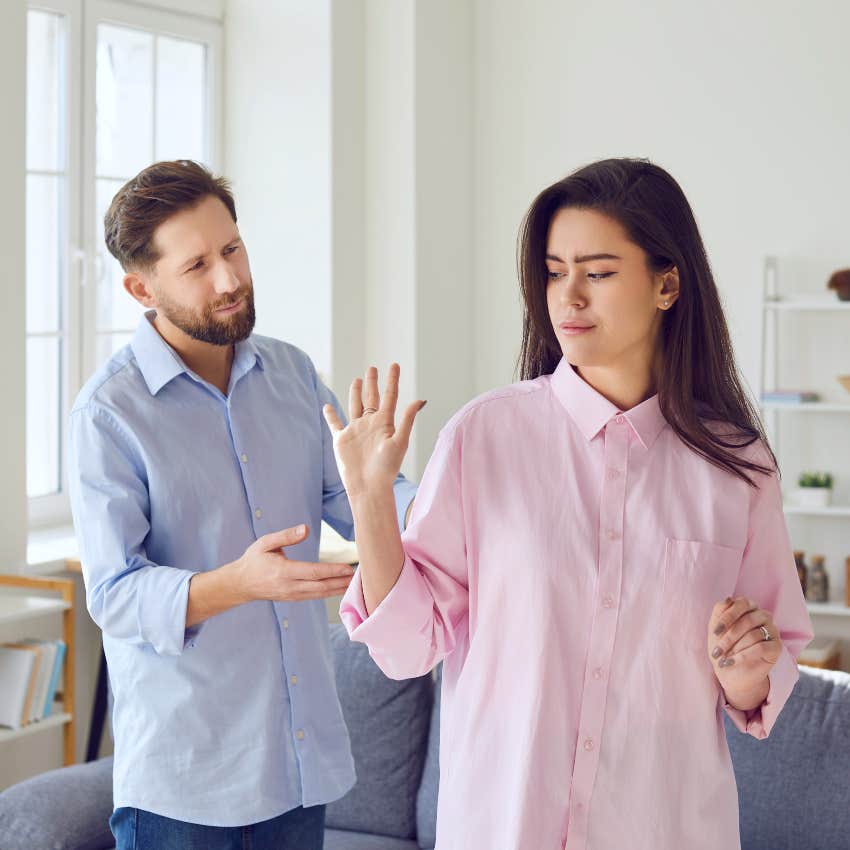
Women who grew up being polite have a hard time receiving support. They're so used to giving it themselves, but when the roles are reversed, they pull back.
Part of the discomfort comes from her worth being tied to what she provides. Her identity is being reliable and low-maintenance, so being cared for can create a rare moment of vulnerability.
8. They overprepare
Chronic overpreparation is often a result of being exceptionally diligent. Making the effort to arrive early, fully prepared for any and every eventuality, is worth it for a woman who always tries to be good, because it reduces the cost to others.
Being responsible and getting things right the first time were tied to approval, so she spends time eliminating every possibility of failure. Despite the fact that life rarely offers certainty, she'd rather be overprepared than be caught in an unexpected situation.
Kayla Asbach is a writer with a bachelor's degree from the University of Central Florida. She covers relationships, psychology, self-help, pop culture, and human interest topics.

