
The Ages People Are Supposedly The Happiest Started Changing With Gen Z
 Eugenio Marongiu / Shutterstock
Years of research have consistently shown that people are happiest in their younger and older years, declining for a time during middle age, and thereby creating an almost perfect U-shaped curve when mapped. New insight shows that things have started to change with Gen Z, though.
According to a recently published study, that curve is now gone. At one end of their lives, people feel much less happy, and it’s causing some concern.
People don’t experience peak happiness during their young adult years anymore.
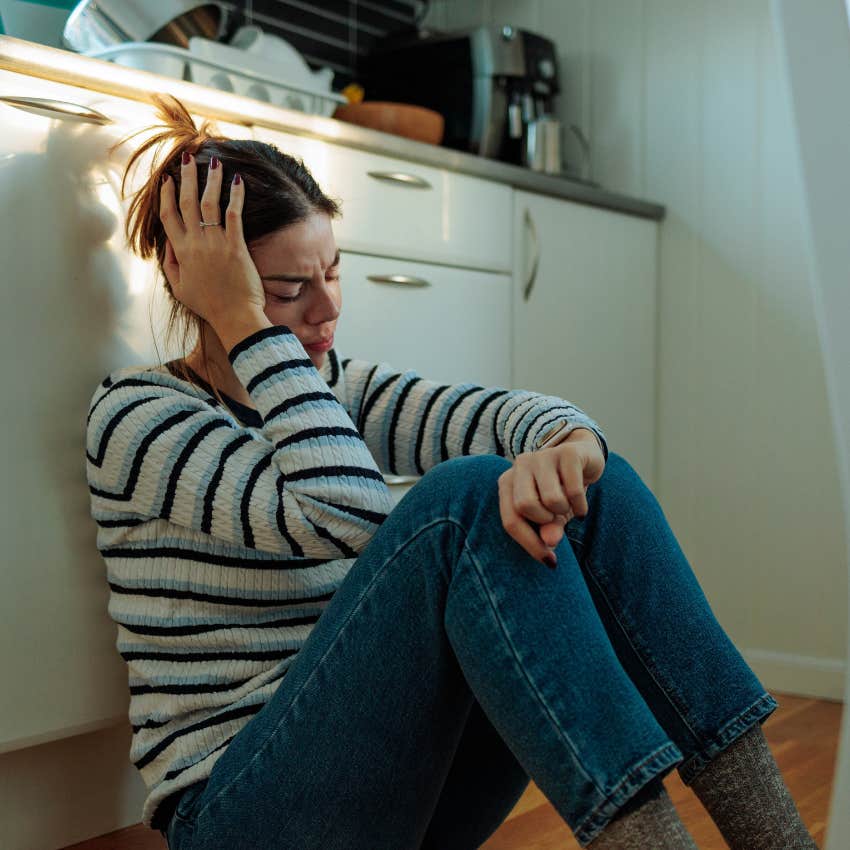
Instead of feeling happy when they’re young, a bit less happy around middle age, and happier again as they get older, people are now feeling the most unhappy when they’re young. Happiness levels now rise with time and no longer dip in middle age, in something that looks more like a line than a curve.
It’s such a serious problem that the researchers described young adults as being in a state of despair. They noticed this was changing for people under 45 years old over multiple years, with the change most pronounced between 2019 and 2024.
 bbernard | Shutterstock
The study authors tried to find a reason why “the mental health of the young has deteriorated compared to that of older people,” but they’re struggling to pinpoint one. Many people would probably attribute the changes to the pandemic, but they noted that these shifts had begun to take shape before 2020.
New York Times Well reporter Christina Caron, who covered the study, explained that young people weren’t just less happy but also felt that their relationships and sense of purpose weren’t as strong. This made them feel like they weren’t flourishing, which researchers defined as “living in a state where all aspects of life are good.”
Meanwhile, happiness levels among the elderly haven’t changed.
Another study based in the U.K. found that people between the ages of 65 and 79 are particularly happy. These levels decrease a bit once someone turns 80 and begins facing more health challenges, though.
The reason people at opposite ends of their lives are still as happy as ever seems like it could be attributed to the way people’s attitudes about aging have changed. Clinical psychiatrist Professor Julia Lappin said that not feeling so negative about getting older really does make a difference.
 Face Stock | Shutterstock
“In being positive, with that comes behaviors that contribute to better physical health,” she explained. “The term that we use in optimizing brain aging is that you stay cognitively, physically, and socially active throughout your life.”
Similarly, Professor Velandai Srikanth, a geriatrician, pointed out that it helps to not automatically associate age with poor health. “Age is not disease; age is just time,” he stated, emphasizing how important it is not to expect bad things to start happening once you become a senior citizen.
Unfortunately, it would take a lot to get young adults back on track to feel the same kind of happiness they did before.
It’s not surprising that this shift has happened with Gen Z since the generation is reporting worsening mental health conditions than any other. Members of this age group are especially stressed about their careers and financial security, with the unemployment rate for Gen Z being about three points higher than the national average.
 Dragana Gordic | Shutterstock
They were also the first generation to grow up with social media fully integrated into their lives, which experts say can affect brain development and lead to higher levels of anxiety. And, perhaps most alarming of all, clinical psychologist Dr. Orna Guralnik said that young people feel like “the future is looking pretty bleak” overall.
Moving things back to where they were before the curve became a line would likely require major improvements in people’s individual lifestyles and in society as a whole. It’s the kind of work that no one is really interested in undertaking, meaning that those who are entering adulthood don’t have a great chance of feeling happier anytime soon, if ever.
Mary-Faith Martinez is a writer with a bachelor’s degree in English and Journalism who covers news, psychology, lifestyle, and human interest topics.

