
10 Old-Fashioned Hobbies From The 60s & 70s That Genuinely Protected People's Mental Health
 Kaylita Cee | Unsplash
While people from the 1960s and 1970s enjoyed things like community dances or reading the newspaper, today those hobbies look more like scrolling for hours on the phone and playing video games.
But just because a hobby is considered old-fashioned, that doesn't mean it's not beneficial to protecting our mental health. Yes, each generation has different leisure activities, but maybe it's time we ditch digital hobbies for more analog ones.
Hobbies that people from the 60s and 70s used to protect their mental health
1. Joining a band
 PreciousJ | Shutterstock
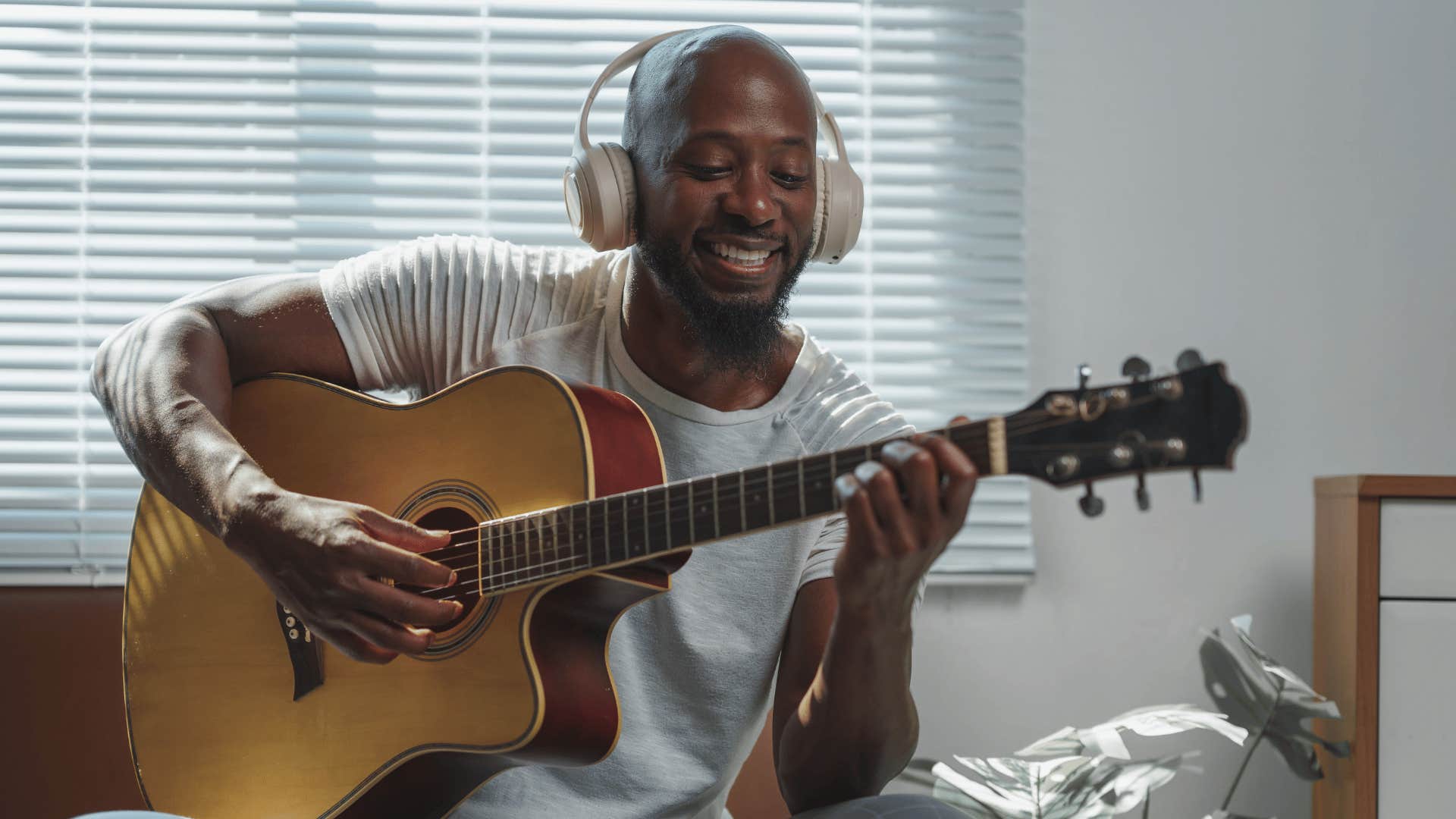
Back in the day, people swore that they'd become famous just from playing guitar. Itching to be the next big thing, garage bands became a common hobby. People would hang out with their buddies on the weekend, and may have even scored a gig or two.
But while they might not have become famous like they wanted, this doesn't mean starting a band was completely useless. Music, it turns out, is a great tool to improve mental health, and little did people in the 60s and 70s know that their fun hobby was also helping them.
2. Riding bikes everywhere
 New Africa | Shutterstock
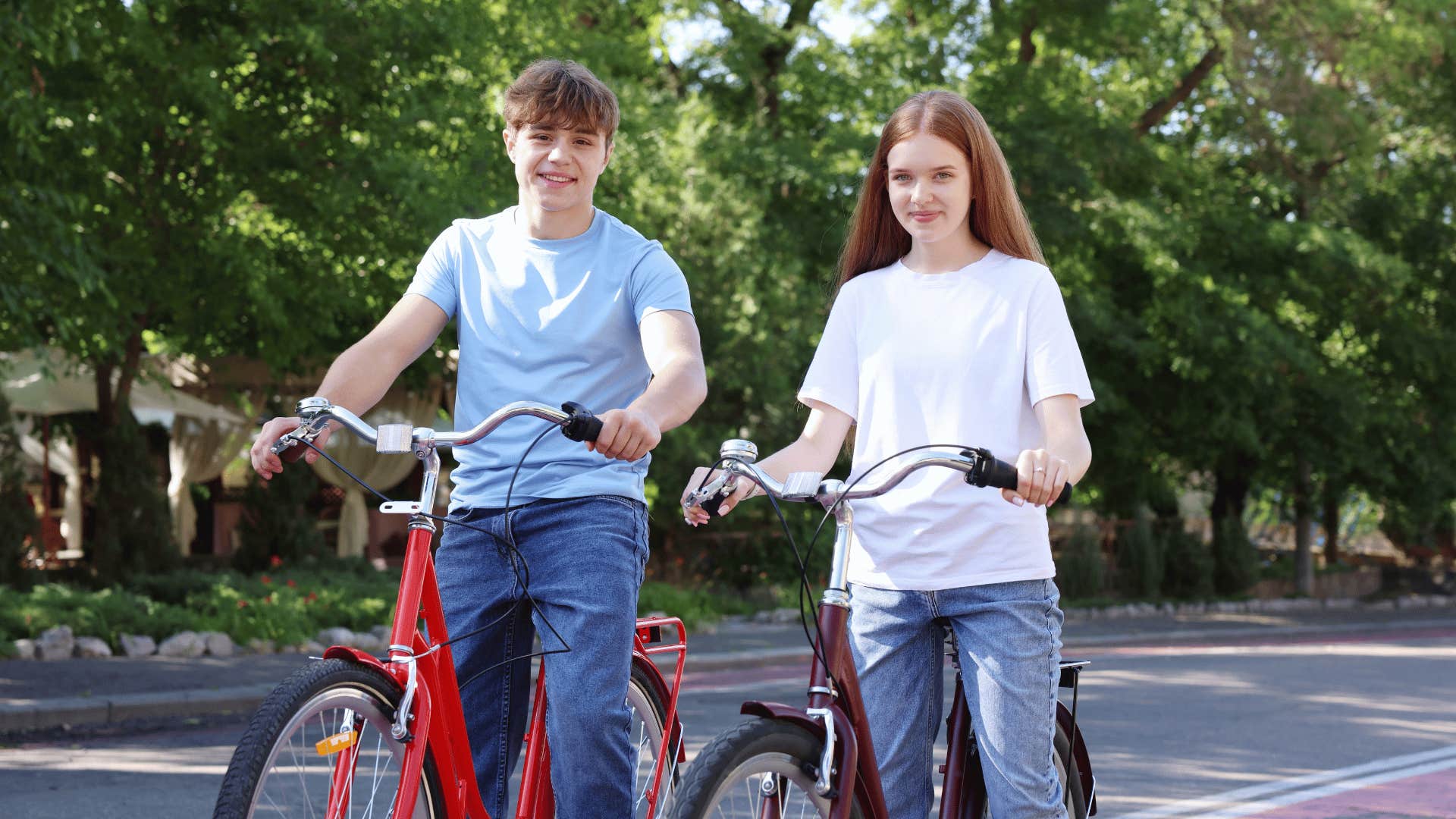
People used to ride bikes everywhere. Rather than walking, there was something thrilling about riding alongside your siblings or friends on the way home from school or making a quick trip to the store. It might sound bizarre now, but life was so much different in the 60s and 70s.
Not having to look over their shoulder every two seconds, kids could be kids without any fear. They were always outside, and things just felt free. Not only were they more active, but they protected their mental health by socializing with others their age.
3. Fishing
 Mountains Hunter | Shutterstock
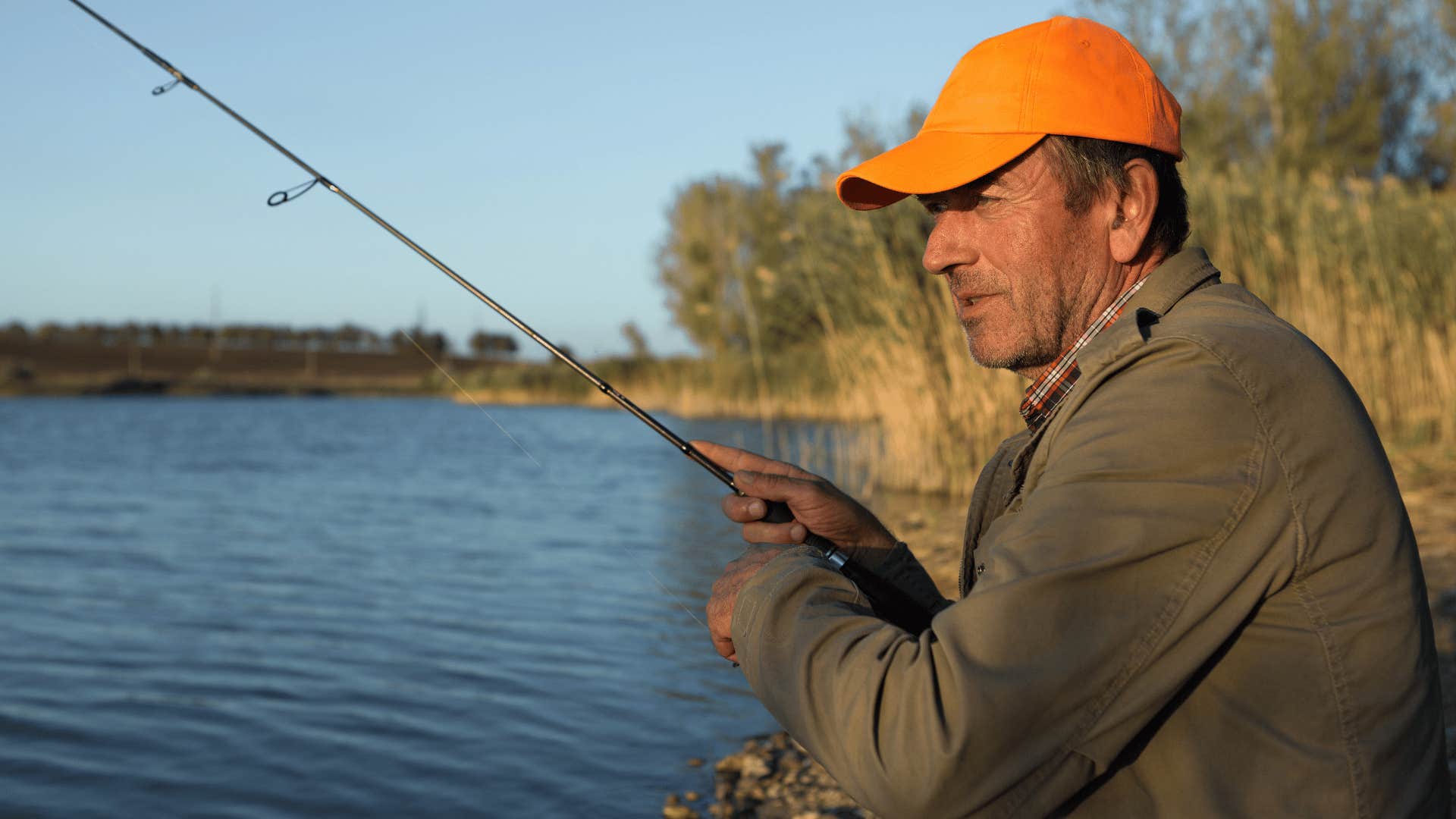
Fishing doesn't sound all that appealing to some. Needing to wake up early and spend hours being patient waiting for the line to catch, fishing isn't exactly exciting for younger people. But it still had a great impact on the well-being of those who had it as a hobby in the 60s and 70s.
Some people swear by fishing, saying it gives them a chance to be mindful, especially while waiting for a fish to bite. Not only that, but it gives them a chance to connect with like-minded individuals and relieve stress. Fishing can truly help ground people.
4. Woodworking
 PeopleImages | Shutterstock
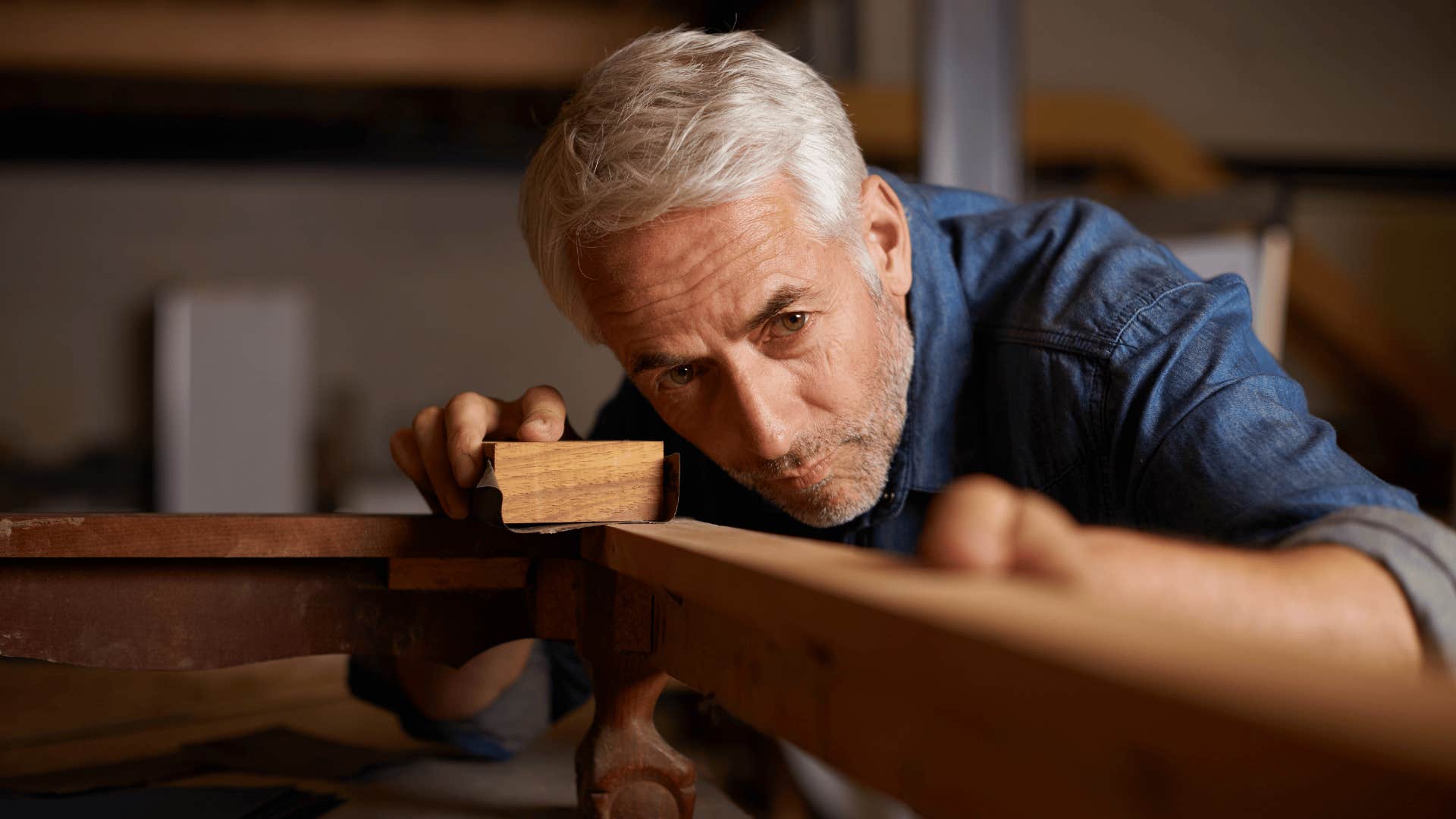
For the younger generations, woodworking is an old-fashioned hobby that's gone out of style. It isn't that it's has become less interesting, it's just that kids are so glued to technology that they don't give hands-on activities like this a chance. They assume that hobbies are meant to be used for enjoyment, rather than bettering their mental health.
Woodworkers claim that this hobby has helped their anxiety and depression, and gives them an outlet to be creative. So, it's important for kids to expand their horizons and try something new. It might sound daunting at first, but the benefits are endless.
5. Reading newspapers
 StockImageFactory.com | Shutterstock
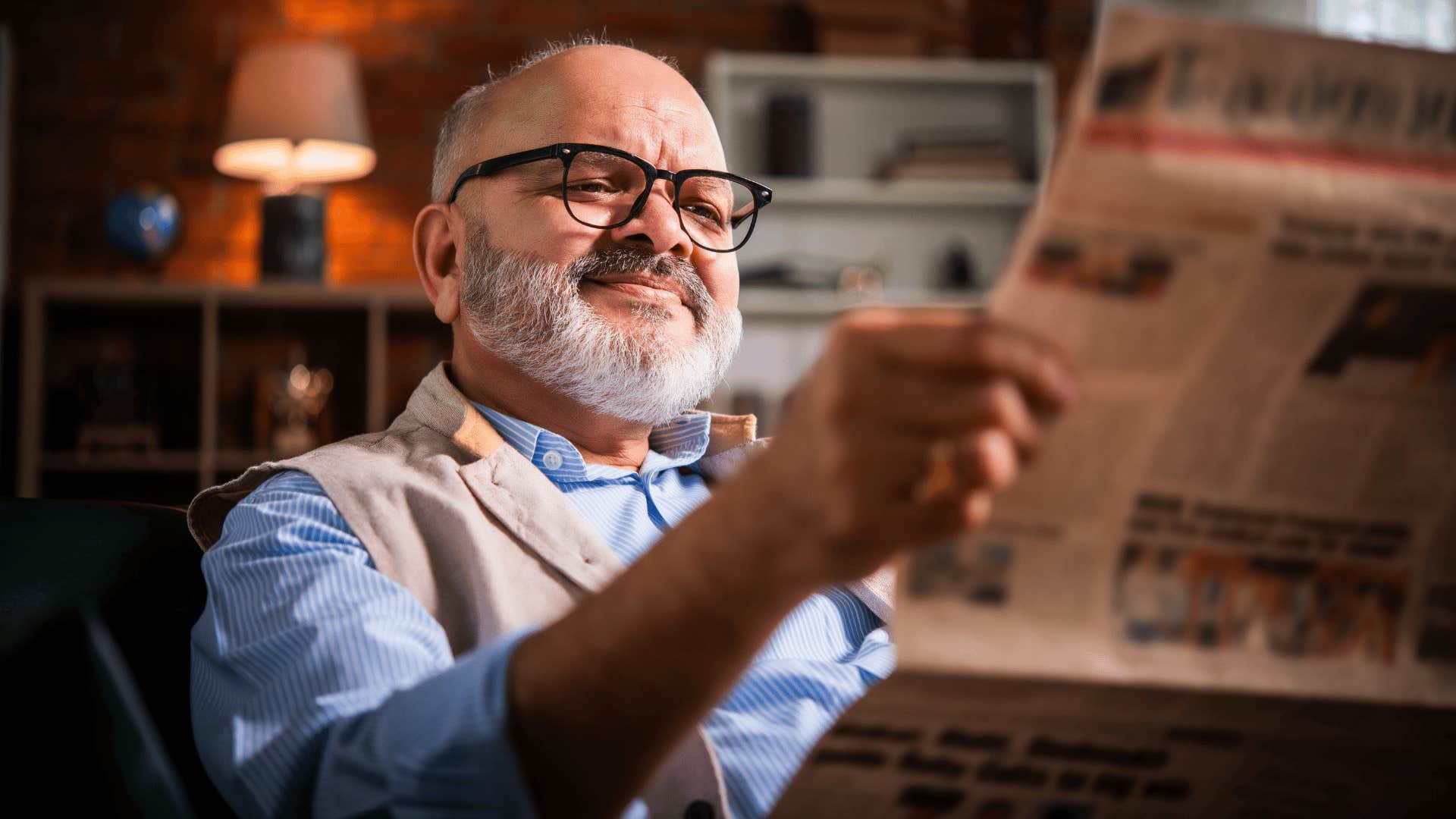
The way people get their information today is much different than people from the 60s and 70s. They would rely on newspapers for their news, while those today use TikTok as their main source, which is unfortunate, as the app is known for viral misinformation.
While constant phone usage and a stream of notifications can induce stress and anxiety, people who read the newspaper were likely more balanced mentally. They were able to consume the news in small doses, rather than frying their nervous system.
6. Playing chess
 PeopleImages | Shutterstock
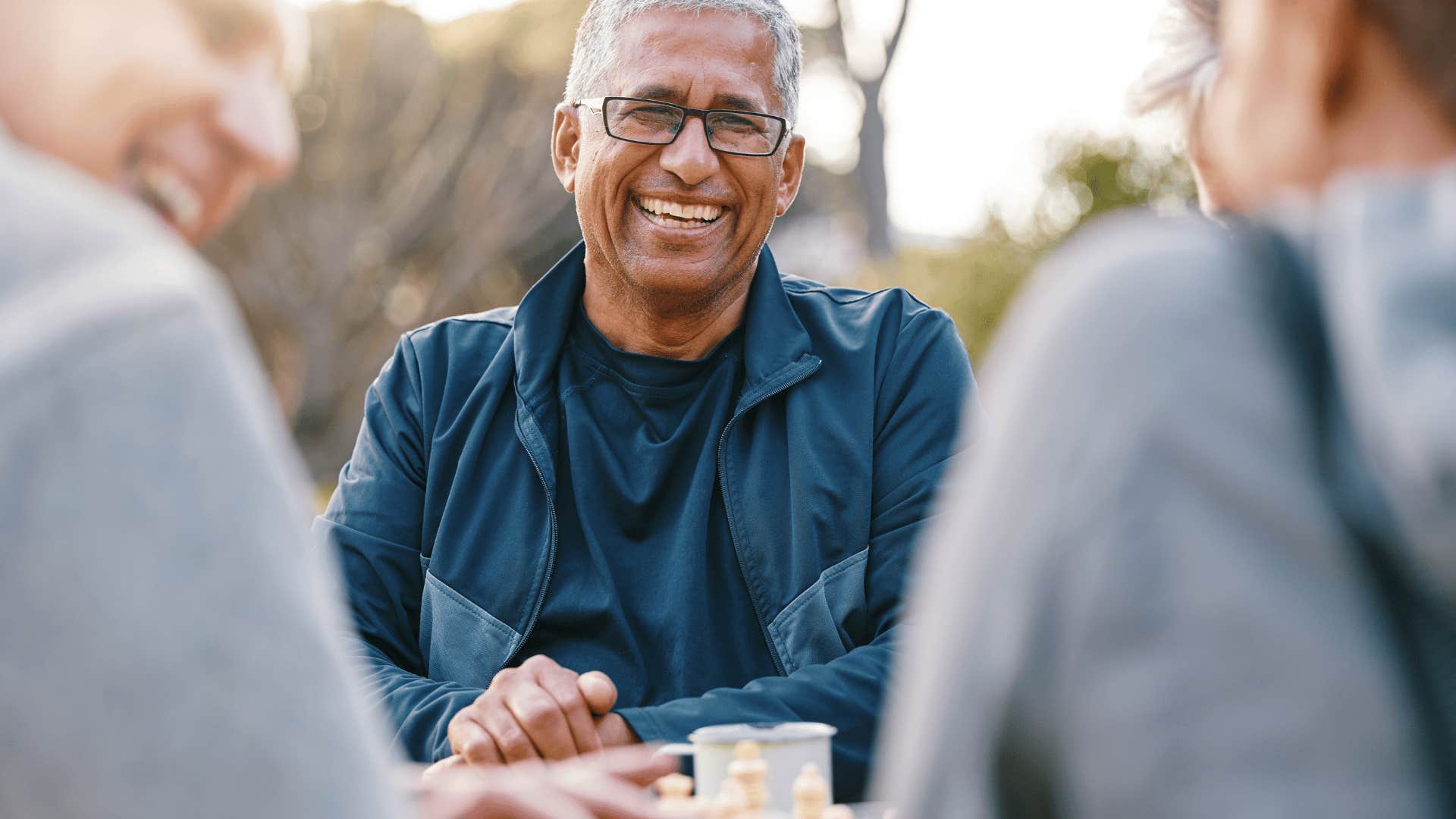
Back in the day, it wasn't abnormal to see people playing chess, especially in the park. Even today, older generations continue with this hobby. Finding enjoyment in meeting new people or hanging out with friends over a friendly game, they never realized how this old-fashioned hobby protected their mental health.
Outside the perks of being outdoors, chess itself actually improves coping and problem-solving capabilities. Engaging in it is important not only for the thrill of winning, but because it can genuinely help people's emotional regulation skills.
7. Sewing
 BearFotos | Shutterstock
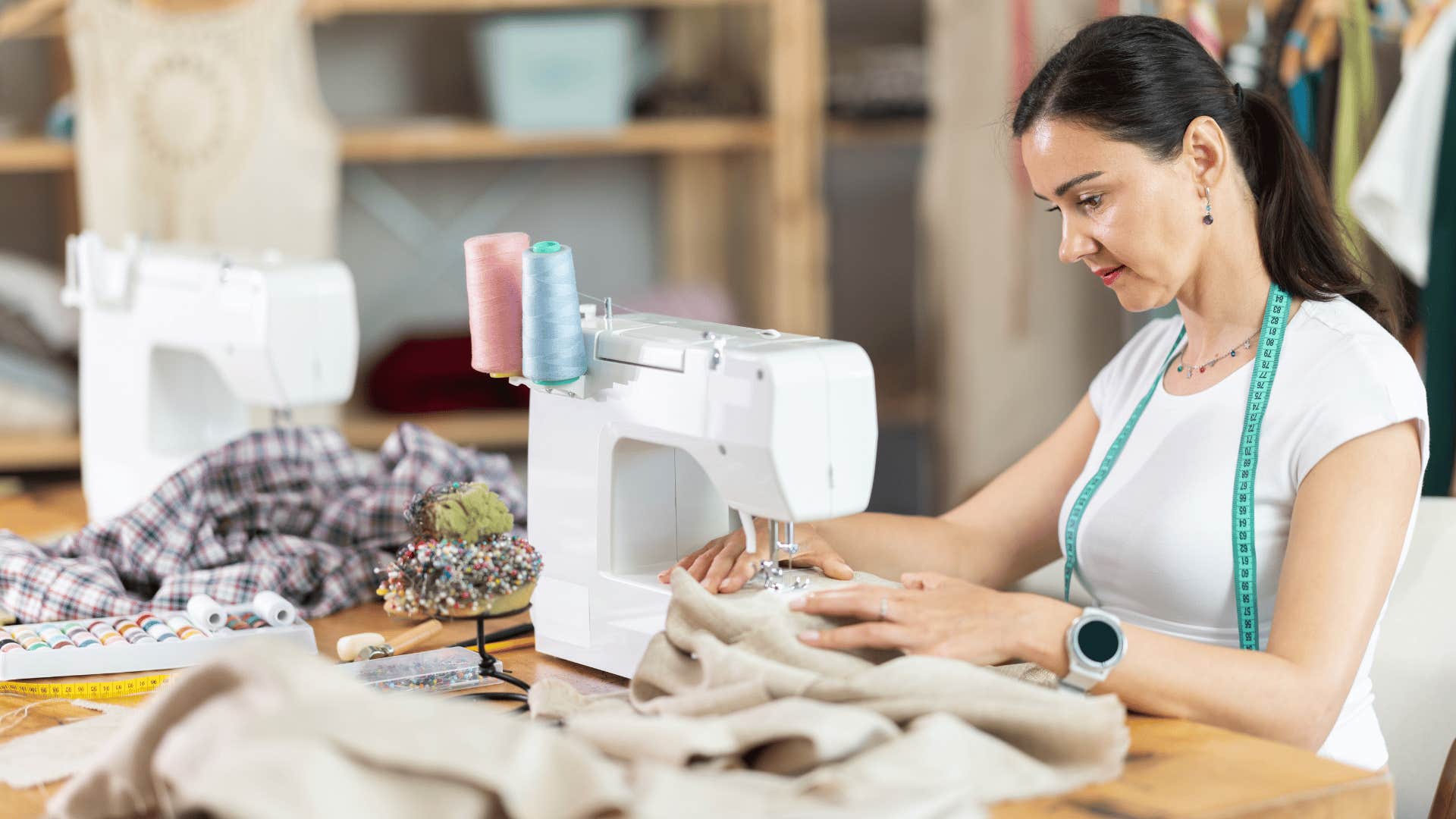
Decades ago, sewing was a skill people learned from an early age. People back then were used to pinching pennies, and sewing saved them from having to buy new clothing when they could patch it up themselves.
Times have changed, however. Only focused on how a hobby makes them feel or being interested in something easy, people are missing out on how sewing is truly beneficial for them.
According to textile curator and artist Clare Hunter, "Sewing is increasingly becoming recognized as an effective way to combat depression, the absorption demanded by needlework... calming the mind and reducing stress. The sense of accomplishment can boost mental health and improve our immune system, as relief from the pressure of multitasking is replaced by focusing on one thing."
8. Drive-in movies
 BAZA Production | Shutterstock
Life is drastically different from the 60s and 70s, because while people often went to drive-in movies, they're incredibly rare today. As time has gone on, people became less focused on connection and more focused on convenience.
No longer prioritizing spending time with loved ones or creating communities that make it easier to connect, drive-ins are not in style. As everything becomes more convenient, like using streaming services to watch movies now, you'll see fewer people engaging in hobbies that once were the norm.
9. Going to community dances or social clubs
 Ground Picture | Shutterstock
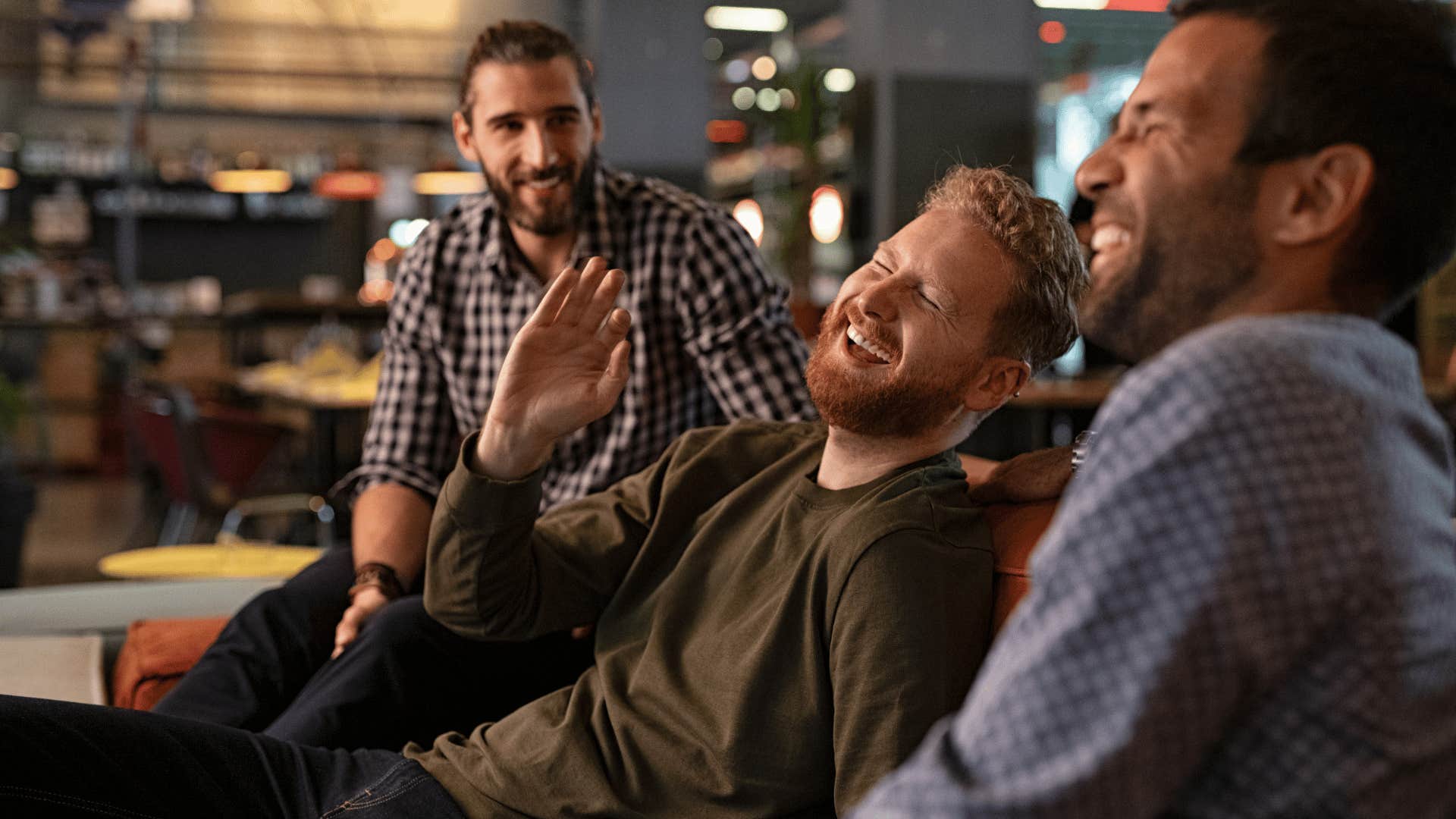
In the 60s and 70s, communities prioritized connection. There were always events that allowed people to meet up, whether it was a dance or a social club. Putting yourself out there was very common back then. Because even if a person didn't know anyone, they would still attempt to mingle.
Itching to create new connections and learn about others, it's an old-fashioned habit that desperately needs to make a comeback. Humans have evolved to be social, so it makes sense that trying to develop a connection with someone else would be so important.
10. Journaling or keeping a diary
 PeopleImages | Shutterstock
Younger people do journal and keep a diary, because they understand the importance of writing their thoughts and feelings down on paper. However, only about 1 in 6 people are active journalers. But just because not everyone does this, it doesn't mean journaling doesn't have great benefits.
From helping people organize their thoughts to helping with emotional regulation, people often journal to protect their mental health and well-being. And if they're consistent enough, they'll find an improvement in their memory and even communication skills.
Marielisa Reyes is a writer with a bachelor's degree in psychology who covers self-help, relationships, career, family, and astrology topics.

