
People Raised In The 60s, 70s & 80s Often Wish These 11 Woke Phrases Would Disappear From Society
 Shanina | Canva
Language is what connects us all, both across generational divides and within our niche communities — whether they be online, in-person, or a mix of both. The slang we pick up through social connection with people similar to us can help support a feeling of belonging with others.
However, some generational phrases can also be aggravating, especially when they’re overused or misunderstood by people outside the demo they're meant for. For instance, there are certain woke phrases younger folks love to use that people raised in the 60s, 70s, and 80s would love to see disappear, either because they don’t understand their origins or simply don't agree with the sentiment at all.
People raised in the 60s, 70s, and 80s are often annoyed by these woke phrases:
1. ‘Safe space’
 Ground Picture / Shutterstock
Despite being a phrase supporting Gen-Z’s commitment to emotional intelligence, empathy, and intentional social connection, many people raised in the 60s, 70s, and 80s grow irritable when they’re urged to cultivate a “safe space” for younger folks.
While the phrase merely suggests a place free of unnecessary criticism or judgment, the pressure to provide one can place a burden on older folks to make what they often see as accommodations they’ve never had to bother with before.
2. ‘OK, Karen’
 MDV Edwards / Shutterstock
Used by Gen-Zers and Millennials to call out classic Baby Boomer stereotypes they’ve noticed in popular culture — playing off the “Can I speak to the manager” memes floating aimlessly around social media apps for decades — “OK, Karen” has quickly become one of the many woke phrases people raised in the 60s, 70s, and 80s would love to see banned. Just like any other younger generation, Baby Boomers are equally frustrated with the rude stereotype, calling it an "overgeneralization" that could be applied to an incompetent, entitled person of any age.
3. ‘OK, Boomer’
 fizkes / Shutterstock
While many of the younger generations’ slang uniquely reflects their experiences and humor, some is directly associated with the hostility many experience as a result of generational differences. According to a study published in The Gerontologist investigating the TikTok trend of “#OKBoomer,” a great deal of this hostility is fueled by resentment over differences in opinions.
Despite being a reflection of Gen-Z’s collective negative experiences with Baby Boomers, including allegedly “antagonistic behaviors,” condescending language, and differing opinions, the study explains, the phrase can take on an offensive tone for people raised in the 60s, 70s, and 80s simply living their lives in solidarity with young people.
4. ‘Cancel culture’
 Andrey_Popov / Shutterstock
Cancel culture is more than just a phrase; it’s an entire movement that’s taken over social media and sociopolitical discourse. Intended to “cancel” people who spew derogatory or misguided opinions and messages, generally in online spaces, this new cultural movement has targeted people in positions of power and intellect.
While the majority of Gen-Z folks view “cancel culture” as a means for accountability and real change, a study from the Pew Research Center suggests that people raised in the 60s, 70s, and 80s feel it’s more of a punishment for differing opinions and even free speech.
5. ‘Touch grass’
 plo / Shutterstock
As a woke phrase intended to urge people away from their screens, “touch grass” is often viewed as dismissive, targeted at people with problematic or differing opinions, perceived to be a result of spending too much time disconnected from reality.
While it may be an overstatement to assume people raised in the 60s, 70s, and 80s don’t like to be told what to do, experts from Johns Hopkins argue this sentiment is actually one of the larger points of tension between their demographic and younger Gen-Z folks.
6. ‘Gaslighting’
 fizkes / Shutterstock
With the introduction of therapeutic speech in younger generations, a great deal of the woke slang adopted by young people is tied to phrases like “gaslighting” and "emotional manipulation" that have serious meanings. Even in passing conversation, people raised in the 60s, 70s, and 80s grow aggravated over phrases like this, concerned that young people are picking up psychological terms to throw around, rather than intentionally utilize.
7. ‘Toxic masculinity’
 fizkes / Shutterstock
Coupled with radically changing discourse on things like gender, woke phrases like “toxic masculinity” can feel like a threat to people raised in the 60s, 70s, and 80s who consistently uphold and accept traditional forms of masculinity. Are the woke phrases Boomers would love to see banned always fueled by fears and irritability of being called out? Not always, but it’s safe to say there are many older folks still attached to the idea of a traditional man, with a traditional sense of masculinity.
8. ‘Holding space’
 voronaman / Shutterstock
Whether it’s the infamous Wicked meme or another version of therapy speech in conversations, the phrase “holding space” is generally vague, especially for people raised in the 60s, 70s, and 80s who have opted out of pop culture discussions and trends. Intended to be a phrase for people making space — both literally and figuratively — for other people’s security, emotions, and needs, “holding space” can be triggering for people in older generations who felt pressured to repress their emotions and avoid vulnerability in conversations growing up.
9. ‘I’m adulting’
 fizkes / Shutterstock
To “adult,” otherwise known as paying bills, starting a family, or making a large investment like buying a home, isn’t easy today compared to just a few generations ago, and young people find community in celebrating these wins and figuring out how to navigate their adult lives. Of course, people raised in the 60s, 70s, and 80s also struggled, but in much different ways from young people today — finding solace in more traditional means of success like college and corporate America. Many older folks find this woke phrase equally frustrating and annoying, suggesting that everyone is adulting and Gen-Z isn't special.
10. ‘Emotional labor’
 pixelheadphoto digitalskillet / Shutterstock
Coined by Arlie Hochschild, author of The Managed Heart: Commercialization of Human Feeling,the term “emotional labor” is generally described as the way a person’s emotional regulation is shifted or shaped; it can be used to explain household and social responsibilities typically assigned to women.
Annoying and frustrating for people raised in the 60s, 70s, and 80s who might’ve crafted their entire identity, household, or relationship around these traditionalist ideas of gender responsibilities and norms, phrases like this can feel confrontational, even though they’re intended to open up healthy, productive conversations.
11. ‘Triggered’
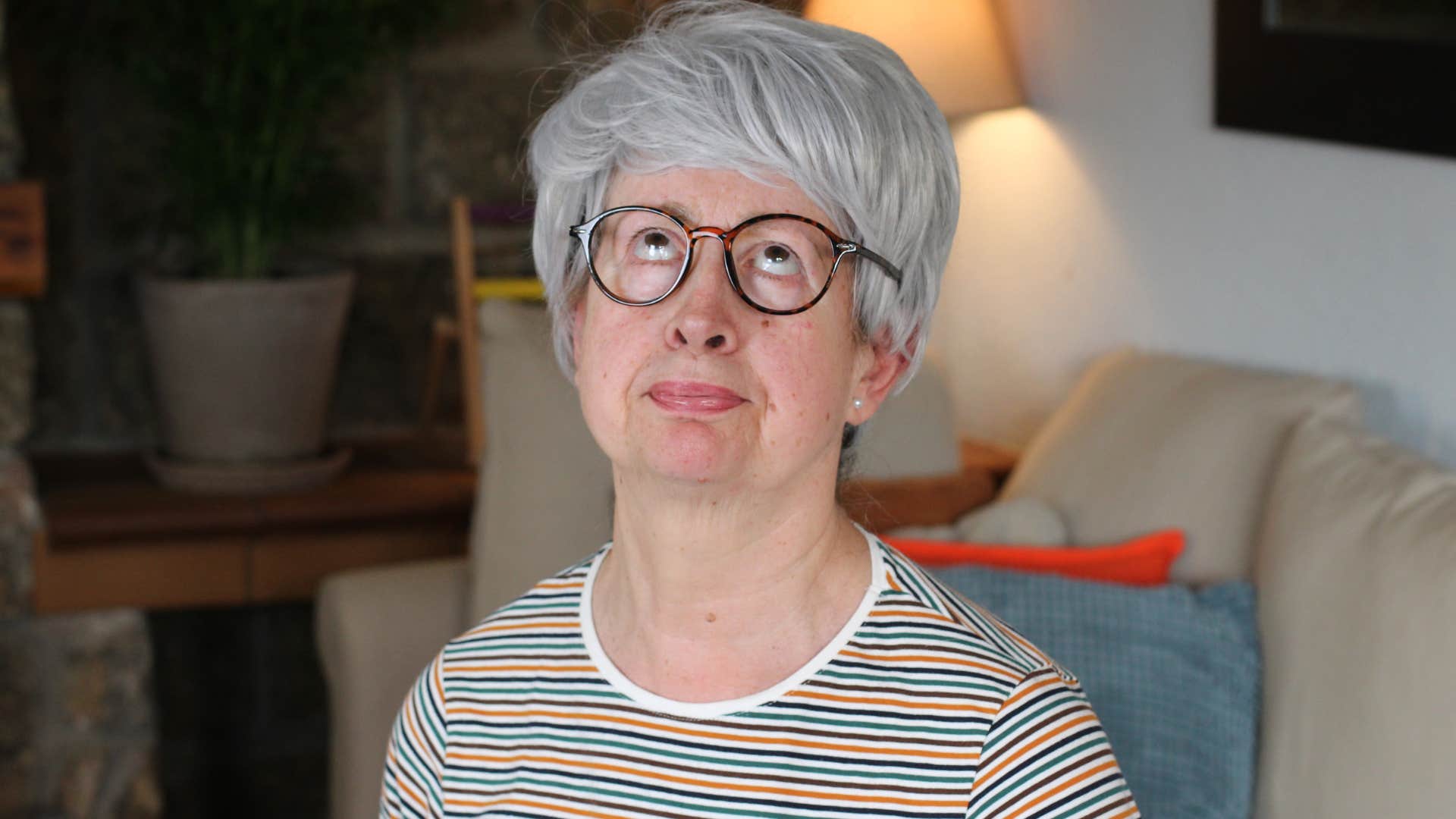 AJR_photo / Shutterstock
Typically used to describe someone’s emotional reaction to an unsettling event, the term “triggered” often takes many different forms in popular culture. Another example of therapized speech for young people, the woke phrase isn’t always intended to be the traditional psychological definition it’s typically used with.
Sometimes, this phrase is used directly toward people raised in the 60s, 70s, and 80s, sparking feelings of resentment, especially coupled with phrases like “OK, Karen” — see #2 — to suggest someone’s irritability toward young people is unfounded.
Zayda Slabbekoorn is a senior editorial strategist with a bachelor’s degree in social relations & policy and gender studies who focuses on psychology, relationships, self-help, and human interest stories.

