
8 Subtle Signs Your Dog May Be In Pain That Even The Most Loving Owners Miss
 Megan Dujardin | Unsplash
Our furry friends are the light of our lives. Is there anything better than the moment when you open the front door to see your dog, wagging their tail and covering you in slobbery kisses, letting you know how much they missed you?
Dogs are so much more than just pets. One study showed that the bond with a dog can create a steady emotional support system by giving unconditional love and a sense of security, where people feel more emotionally balanced. Dogs are our constant companions, our work-from-home buddies, and our emotional support fur-balls. They take care of us, and in return, we take care of them, which includes knowing when they’re not doing well.
Dogs can't tell us when something hurts, and many instinctively try to hide pain until they simply can't anymore. That's why some of the earliest warning signs are so easy to miss, even for the most attentive owners.
Here are 9 subtle signs your dog may be in pain that even the most loving owners miss:
1. Licking
Dogs lick a lot, and most of the time, it’s normal behavior. But sometimes, constant licking can be a sign that something’s wrong. If your dog is licking itself obsessively in one particular spot, it could mean they’re experiencing pain, itchiness, or discomfort on or under their skin. One example is hot spots caused by warmth and inflammation. Hyper-focused licking could also be a sign of anxiety. While licking offers temporary relief, it can irritate the skin and exacerbate your pup’s pain in the long run.
Cornell University College of Veterinary Medicine advised, "A dog who is swimming, wading, or even just out enjoying a warm summer rain is prone to developing hot spots if they have a thick coat that does not dry fully. Any matted areas will hold moisture next to the skin, making dogs at risk for infections and sores."
2. Drooling more than usual
 Mary Swift via Shutterstock
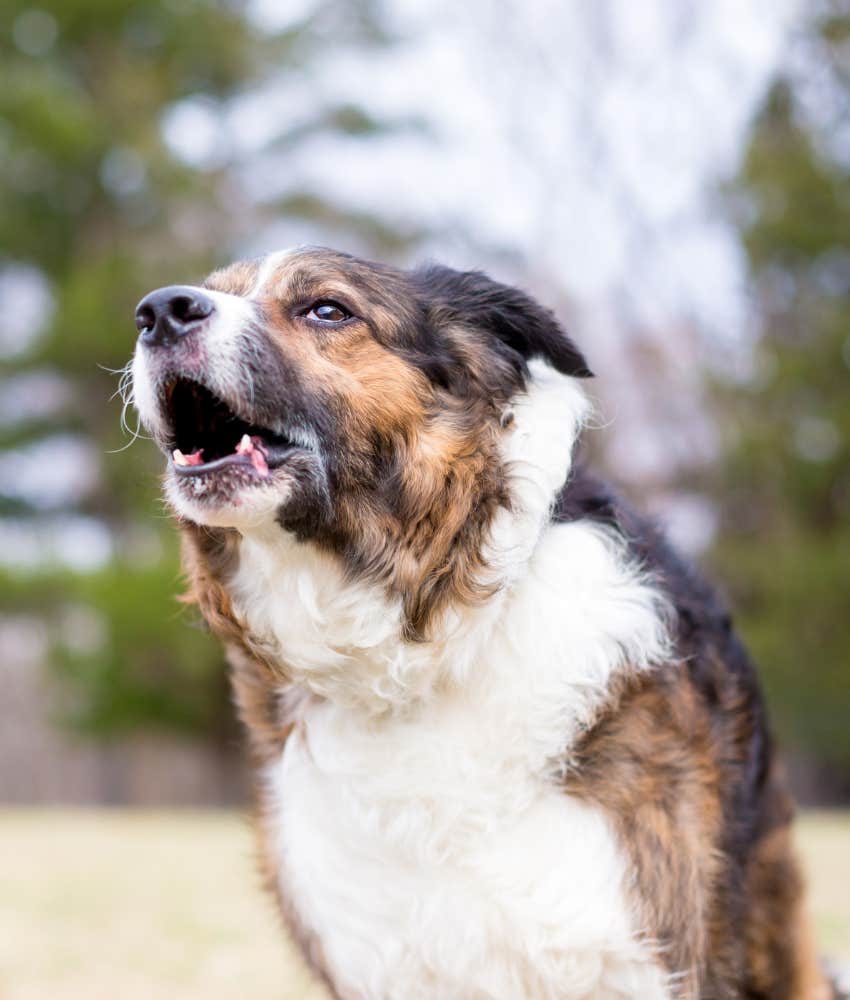
Drooling is another example of normal dog behavior, yet in excess, it could be a sign of discomfort. If your dog is drooling more than usual, pay close attention to other signs. If the drooling is accompanied by bad breath, facial swelling, or trouble chewing, your dog might need a trip to the vet.
Drooling can signify a gastrointestinal issue. It can also arise from a sinus infection, kidney or liver disease, or an injury to a limb or tail. Excess saliva or foaming at the mouth can occur when dogs eat something toxic, like chocolate or grapes.
In extreme cases, drooling can be a symptom of bloat, which is a life-threatening condition. Bloat, or gastric dilatation-volvulus (GDV) complex, occurs when a dog’s stomach fills with air, causing pressure to build. Blood is unable to circulate from the heart to the hind legs and abdomen, and it pools in the back of their bodies, sending the dog into shock. If you think your dog is more slobbery than usual, don’t hesitate to call your vet.
3. Change in appetite
If you’ve noticed that your dog’s appetite isn’t what it usually is, that could be a hint that they’re in pain. Your pup might be refusing to eat or eating less than their normal amount. It could signify a problem in their mouth, like a dental issue, or something more serious.
Research has shown that changes in appetite can indicate the development of cancer and other conditions. Dog owners should bring their furry friends to the vet if they notice any appetite changes.
4. Sitting or standing in a strange position
Your dog's posture can be a clue to how they’re feeling. Their muscles will change their tone in response to physical trauma as a way to protect the structures around them.
A dog with hip pain might sit with a hind leg sticking out, or lower its head if it has neck pain. An arched back can be a sign of a spine injury. Your dog might even wag its tail less, or keep its ears lowered.
One study explored how pain sensitivity can differ between types of dogs. If your dog seems unsettled and constantly changes their position, they could be in pain. Pay attention to your dog’s body language. If something seems off, don’t hesitate to get them checked out.
5. Shaking or trembling
 Serhii Smirnov via Shutterstock
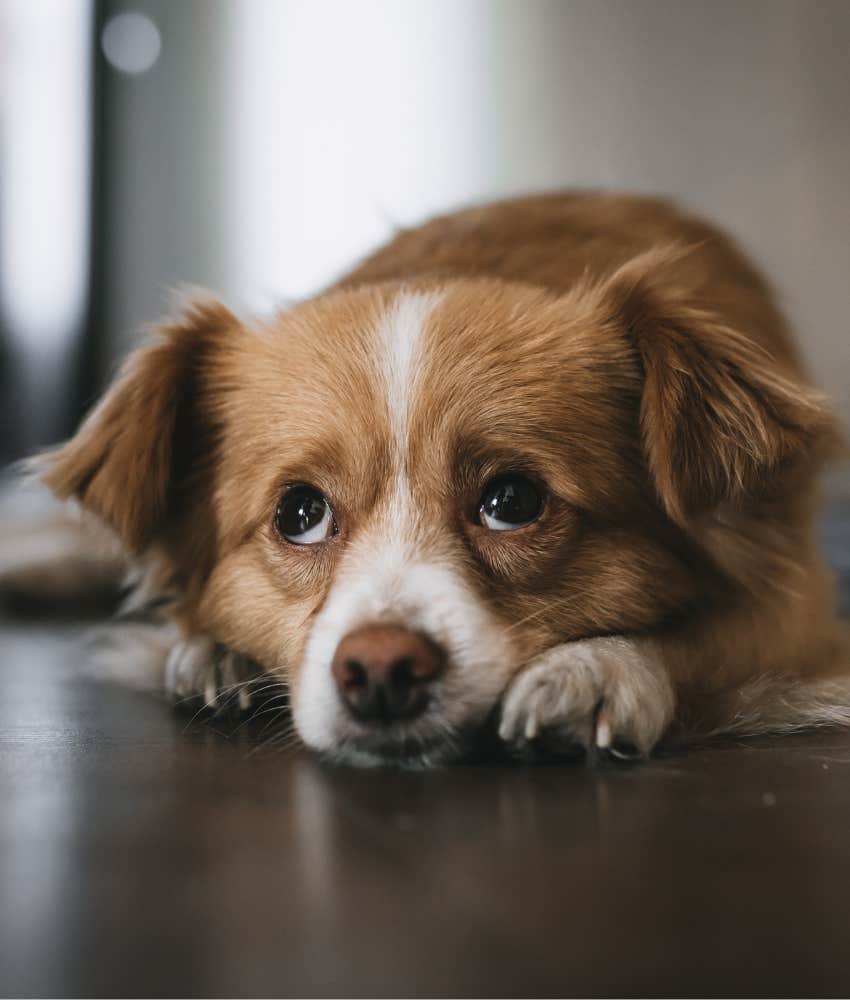
Dogs do their little shake-off motion when they’re making a change from one thing to the next. While this kind of shaking is normal, some types of shaking can be a sign that something’s wrong.
Canine distemper is a virus that can cause tremors. It occurs mostly in puppies and adolescent dogs that haven’t been fully vaccinated. The American Veterinary Medical Association cautioned, "Dogs most often become infected through airborne exposure to the virus from an infected dog or wild animal. This may occur through sneezing, coughing, or barking, and the virus can also be transmitted through shared food and water bowls and other items."
Trembling can also come from an illness called Generalized Tremor Disorder, also known as Shaker Syndrome, the causes of which are unknown. As your dog gets older, they might experience joint pain, hip pain, or back pain, which can also cause them to tremble.
6. Acting lethargic
If your dog seems more tired than usual and isn’t excited to go on walks or exert themselves physically, they might not be feeling 100% themselves. In older dogs, especially, we often overlook their slowing down as a normal part of the aging process, but it could also mean that they’re hurting, and we just don’t know it.
The American Kennel Club advised, "If your dog is sleepy, you can usually rouse them with their favorite treat. Or they might get up when they hear the doorbell. In contrast, a dog that is lethargic is probably feeling unwell, so it’s much harder for them to return to their normal behavior.
Another difference between lethargy and sleepiness is the length of time. If your dog is sleepy and they have a restful nap, they’ll probably wake up feeling better. If your dog’s condition doesn’t improve with sleep, you’ll need to identify and address the underlying cause."
7. Growling and aggression for no reason
Dogs are expressive creatures, but if you’ve noticed that your furry friend is growling more often than usual, it could be a cry for help. Your dog might snarl unexpectedly or yelp when it changes positions. A dog in pain is likely to growl or snap, as they’re concerned someone might touch the area that's hurting.
A dog in pain is extra-vulnerable, which could change how they act around other dogs. If your dog suddenly exhibits aggressive behavior towards other dogs, when they’re usually friendly and playful, the change in temperament could mean something else is going on.
8. Altered breathing
Dogs pant when it’s hot out or after a big play session as a way to cool down. But if your dog is panting excessively while at rest, they might be having trouble breathing or have an elevated heart rate.
As your dog’s best friend, you understand them well enough to know if their mood or physical behavior is different than usual. If you suspect that they’re experiencing pain or discomfort, call your vet and get them checked out. Your pup deserves to live a pain-free life, and you deserve the happiest and healthiest version of your pup.
Alexandra Blogier is a writer on YourTango's news and entertainment team. She covers social issues, pop culture, and all things to do with the entertainment industry.

