
Gen Z Is Bringing Back These 9 Surprisingly Smart Habits Older Generations Never Stopped Loving
 Getty Images Signature via Canva
The term retro describes the style and features of culture from past generations. Acting or appearing this has become a trend for a lot of Gen Zers, whether it's wearing bell-bottoms or applying colorful eyeshadow popular in the 80s.
But the small habits Gen Z is seemingly bringing back are already well-loved by older generations. They're taking on hobbies and habits that are improving their lives, but if you ask baby boomers or Gen Xers, they'll tell you that these things never went away.
Smart habits Gen Z is bringing back that older generations never stopped loving
1. Picnicking
 DragonImages via Canva
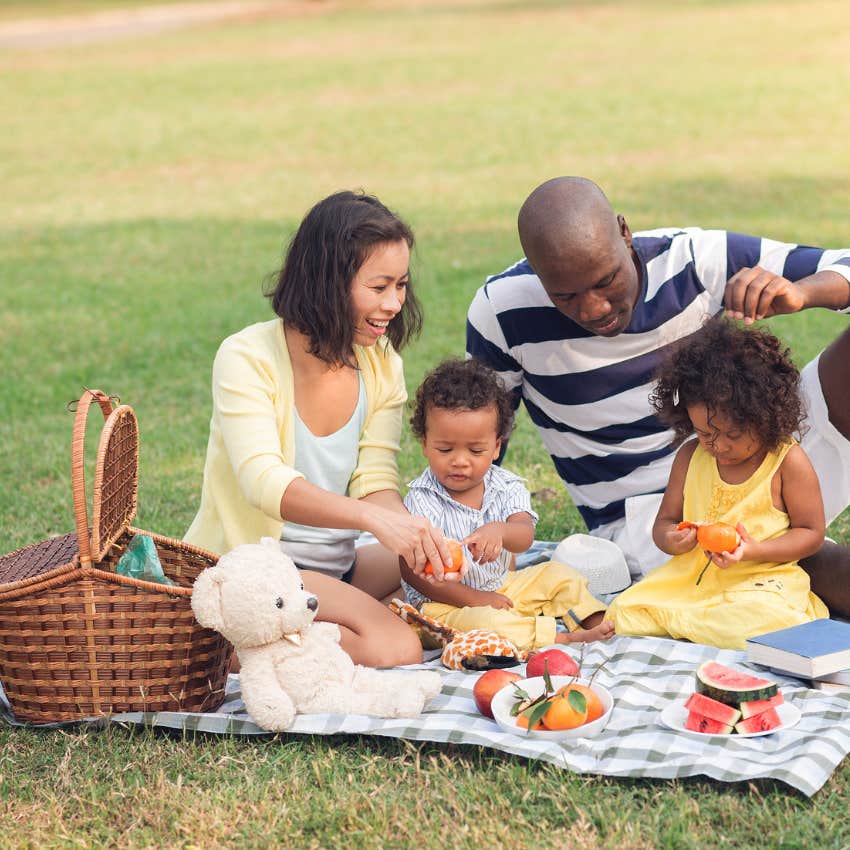
Picnics used to be a fun activity to get outside with friends or family. Gen Z has taken to picnicking like their grandparents. It became a popular trend during the pandemic when people were unable to gather in large groups inside, choosing instead to do activities outside. They could have a social activity while still taking steps to stay healthy.
After 2020, the popularity of picnicking continued. Some people continue to go on picnics because of rising restaurant prices, finding it cheaper and more fun to simply put down a blanket and enjoy snacks together.
2. Gardening
During World War II, many people had a victory garden. They were small home gardens that helped people feed themselves and their families, though it's not the same as the farm. It was just for one household's food. Today, Gen Zers have begun planting gardens, whether it's for sustenance or entertainment.
Gardening is a fun way to unwind. Working remotely has led many Gen Zers to spend their days at home with little physical activity or fresh air. But having a garden gives them a reason to go outside every day after work and tend to their plants.
3. Handwritten notes
In an age of texting and emails, handwritten letters may seem unnecessary. They arrive much slower than any other type of message, and also take longer to write. But that's the best thing about them, and Gen Z has learned this over time.
When someone sends you a letter, it's meaningful because it shows they took the time to write it out and mail it to you. If the letter has heartfelt messages and personal anecdotes, it makes someone feel appreciated, as it's a personal and considerate action.
Older generations grew up writing handwritten letters and mailing them, and they've never stopped doing this. Yes, they may use their phone to send texts or messages, but there's nothing quite like something written by hand.
4. DIY craft projects
Crafts are extremely easy to buy online, and because of the convenience, Gen Zers have taken to this hobby. While crafting became less prevalent for some, YouTube helped revive people's interest in doing these kinds of projects. Many channels are dedicated to teaching people about every craft under the sun.
Popular crafting channels have inspired people to knit or take a glass-blowing class. Younger generations now understand just how fun and money-saving crafting can be in their own lives.
5. Reading books
 pocstock via Canva
E-books have become a popular way to read. Many people think it's easier than a physical book because they don't have to feel weighed down by the heaviness. Using e-books has also exploded within the schooling system, becoming a primary source of reading material for children.
This has made younger generations turn away from physical books, though Gen Zers, with the help of "booktok," now feel proud displaying the physical books they've read or want to read. It's made a lot of people more excited to have books so they can show them off online.
6. Game night
Family game night used to be a popular tradition for older generations. For families, it was a great way to bond, but over the years, these games have become less popular. Some people don't want to buy them because they're expensive, and they can just download games on their phones.
But devices have also caused a revival of game night. Gen Z can download apps they can play together with their friends in-person. It allows them to bond the same way board games can, but it also has an effect on our minds. Playing online games or video games improves social connection and boosts creativity.
7. Using a digital camera
Older generations didn't have cell phones. If they want to take a picture of something, they would have to carry an instant camera around, and then go to get the film developed. When phones with cameras came around, it was much easier and provided instant gratification.
While Gen Z has grown up in this environment, they're still starting to enjoy old-school digital cameras and even instant cameras. The quality was much better, and with the popularity of social media, they want to get the best photos possible. With an old camera, they're able to get a cool vintage picture to post.
8. Spending time in nature
Screens make it a little harder to go outside these days. Many people decide to stay inside so they can keep looking at their devices. This wasn't the case for older generations, though. They had to make their own entertainment, and that usually meant spending hours outside playing with friends or on their own.
Gen Z is bringing back this habit of spending time in nature, though older generations essentially grew up doing the same. And because Gen Z worries about climate change more than any other generation, they want to take advantage of the outdoors while they can.
9. Cooking from scratch
 Getty Images Signature via Canva
Food made from scratch is typically healthier than prepackaged foods. Many prepackaged foods contain extra ingredients that might make the food fattening or just bad for your health. Gen Z has started to turn to cooking from scratch so they can eat a clean diet.
Cooking from scratch has also become a social media trend. A lot of people make TikToks about delicious meals they've whipped up. And some are even inspired by the recipes of their parents and grandparents as well.
Lily Bell is a college student studying English and Publications who covers relationships, mental health, and personal narratives surrounding the human experience.

