
Very Independent People Often Find Out The Hard Way That 6 Things Just Aren't Sustainable
 Eugenio Marongiu | Shutterstock
Being independent is a great trait to have, but it can quickly become unhealthy, especially if it's rooted in trauma. Their hyper-independent tendencies begin to seep into every part of their lives, and they learn the hard way that this just isn't normal.
Trauma coach Aspen Robinson explained that although there are benefits to some levels of independence, when someone is a little too independent, there are ways to tell.
When people are too independent, they find out the hard way that these things aren't sustainable
1. Being the 'ruler' of the family
 spwidoff | Shutterstock
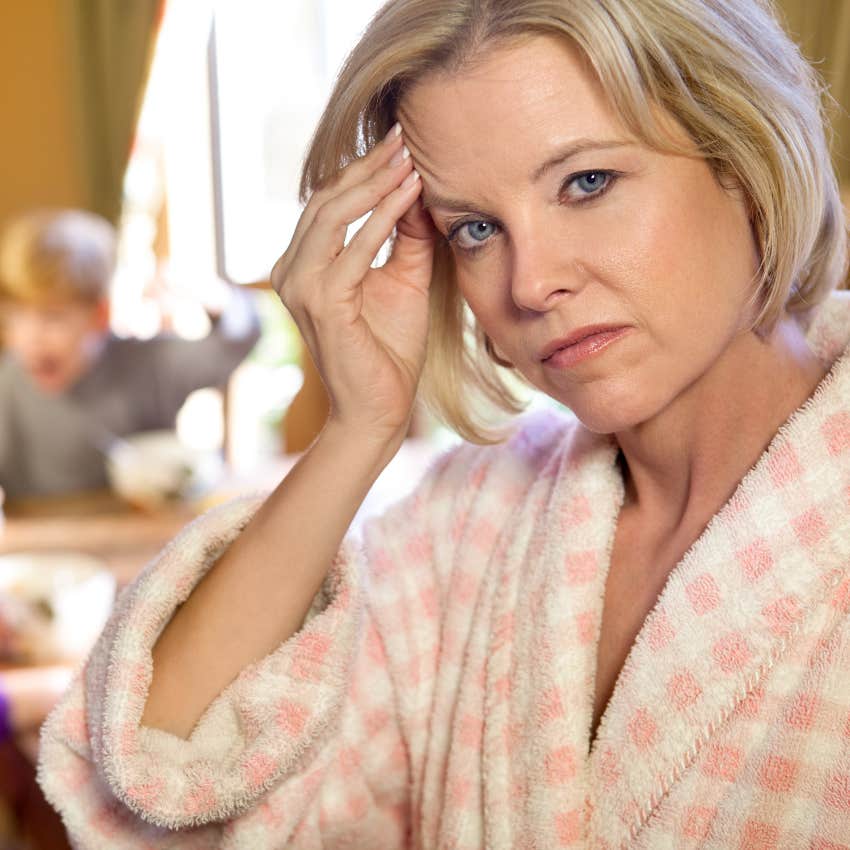
As Robinson explained, being the "rule" of the house means "you tend to take on all the responsibilities, schedule all the things, and feel accountable for every single thing that happens, because time has taught you that you cannot rely on anyone."
Whether it stems from inconsistency in prior relationships or an event that took control away, hyper-independent people live this way to ensure they don't have to rely on others, only themselves. But by doing so, they're creating other struggles for themselves.
"The more we strive for control, the greater our stress and anxiety grow," clinical psychologist Carla Marie Manly said. "Then, we respond by trying to control the uncontrollable, and the unproductive cycle continues."
2. Preferring to be alone, rather than fearing someone will leave
When someone walks out of our lives, it can be difficult to grieve. Their absence and the memories we replay make it hard to feel like we can go on as normal. But for some people, that loss is too much to carry, and it affects the way they navigate relationships.
Instead of healing the wounds stemming from their loss, they hide themselves away and grasp at any kind of control they can, all so they don't have to let anyone else into their lives. Their attempts at ensuring nobody ever leaves them again, however, often lead to a lack of social connection, creating anxiety and more stress.
3. Growing up as a 'caregiver' to siblings or parents
Children who act as caregivers often turn into people-pleasers as adults. Whether that manifests as giving too much energy to others or isolating themselves in fear of being a disappointment, they often hold the burden of their childhood closely.
They become a little too independent in adulthood, all because they were never able to take care of themselves. Instead, everyone else was the priority.
But taking care of yourself shouldn't be a false sense of "protection" from abandonment. Rather, opening yourself up to healthy connections is.
4. Seeking control over their life to protect themselves from being let down
 Julia Zavalishina | Shutterstock
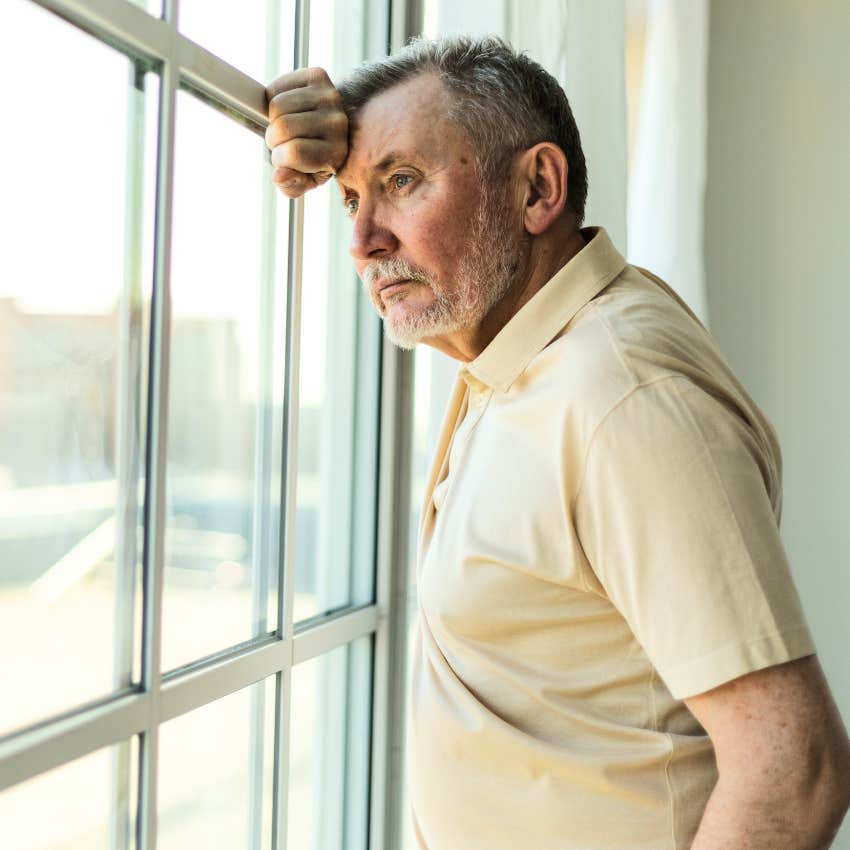
When you isolate yourself from others, you're the only one responsible for the way your life goes. At least, that's what you tell yourself because of your hyper-independent tendencies.
When you wake up in the morning, you only need to rely on yourself. You make life better yet become the scapegoat for anything that goes wrong.
Many people with a fear of losing control have trauma from early in their lives where they lacked the ability to control the environment around them. But when they grow up and push others away to look for total control, their lives become just as stressful, adding to their anxiety and fear.
5. Pushing forward by suppressing their feelings
Children who grow up in unstable environments where their feelings and perspectives are invalidated often struggle with self-esteem and identity. Their parents or family members never acknowledged and accepted their emotions, so they learned to hide it all away and push it down.
Unfortunately, this chronic feeling of being unheard and disrespected greatly affects the way they express emotions as adults. They may think they're just being a real grown-up and suppressing their feelings, but really, they aren't doing themselves any favors.
6. Being raised in a household with no emotional, physical, or mental support
For people who grew up in a home where they had no support, Robinson explained, "You basically had to just fend for yourself." Instead of leaning on those around you, you were forced to deal with overwhelming and often impossible feelings on your own.
Children who experience this neglect and lack of support grow into adults with various challenges. They have trouble maintaining healthy relationships or developing strong social skills. They may be independent, but they have no one to lean on when things get tough.
All of these things can make it difficult to rebuild trust and give up control as adults. Unfortunately, many hyper-independent people don't always realize that their "I can do it on my own" attitude is unhealthy.
Zayda Slabbekoorn is a senior editorial strategist with a bachelor's degree in social relations & policy and gender studies who focuses on psychology, relationships, self-help, and human interest stories.

