
60s & 70s Kids Usually Heard 9 Phrases Growing Up That Made Them Way Better At Life
 Lyudmila2509 | Shutterstock
In the 1960s and 1970s, the world was changing rapidly. Kids back then had much different childhoods than how their parents were raised.
Because of their unique generational issues, they often learned phrases from their parents that ended up helping them significantly later in life. As adults, they became way more resilient and self-sufficient than younger generations today.
Phrases kids in the 1960s and 1970s heard on repeat growing up that made them better at life
1. 'Power to the people'
 Jacob Lund via Canva
America has a dark history, especially when it comes to racism. It was only 62 years ago that the Civil Rights Act was passed, and still today, there's a lot of work to be done.
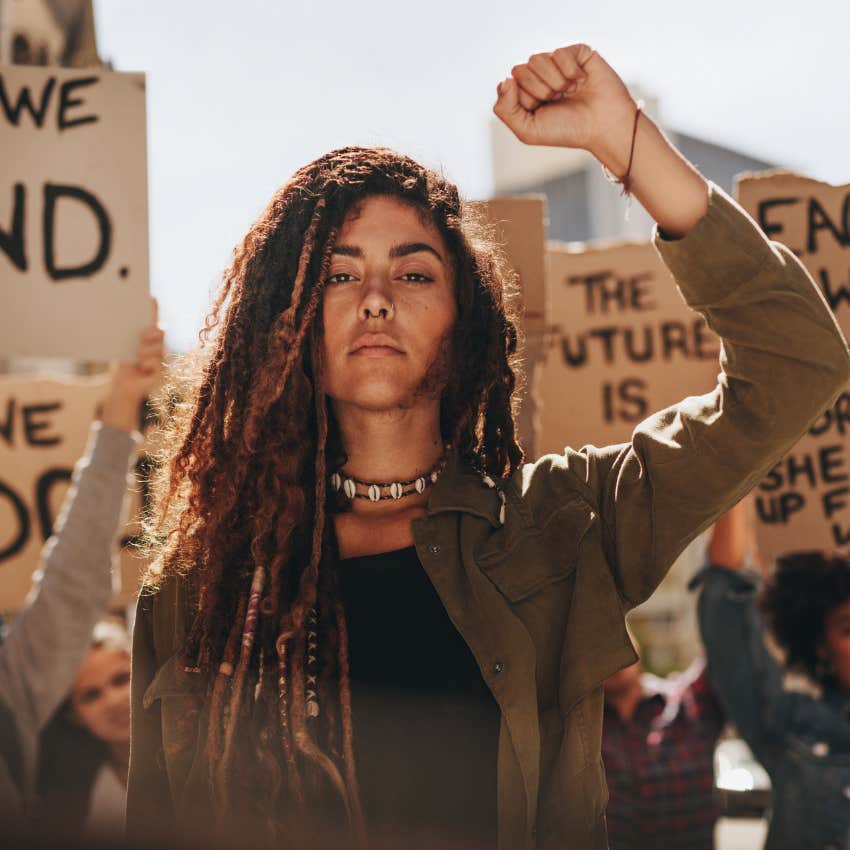
But kids in the 60s and 70s wanted change to create a more inclusive society. Whether it was protesting or standing up for their fellow citizens, they would say, "power to the people," which meant that citizens, not corrupt politicians and corporations, hold control over society.
2. 'Let your freak flag fly'
The term "freak flag" was a popular phrase in the 60s, where people were inspired to not conform to the norm and to be unique in their own way. The term was even mentioned in Jimi Hendrix's song "If 6 Was 9."
Your "freak flag" is the thing that sets you apart from the norm. The 60s and 70s were a time when many people started to embrace being different. Some people turned this phrase into encouragement, so when kids were taught to adopt this mindset by their parents, it turned them into authentic adults.
3. 'Go with the flow'
"Go with the flow" means relaxing and accepting certain situations, rather than trying to fight against them. The 60s and 70s were a time for rebellion, and kids growing up during this time felt this message deeply.
Kids were taught that if someone only does what they want to do, they could miss out on some really great experiences and opportunities. It encouraged them to step out of their comfort zone instead.
4. 'Secrets, secrets are no fun'
When all of Richard Nixon's secrets were revealed in the Watergate scandal, many people were hyper-critical of his actions. Kids growing up in this age likely heard their parents talk about it, and were taught the importance of honesty as a result.
The things we hear in childhood can have a huge effect on us. At that age, our brains are like sponges, soaking up all of the information from our surroundings. Children in the 60s and 70s repeated the phrase "secret, secrets are no fun," especially when their friends or family would gossip. It was their way of pointing out how bad of a habit it was.
5. 'Make love, not war'
 SeanShot from Getty Images Signature via Canva
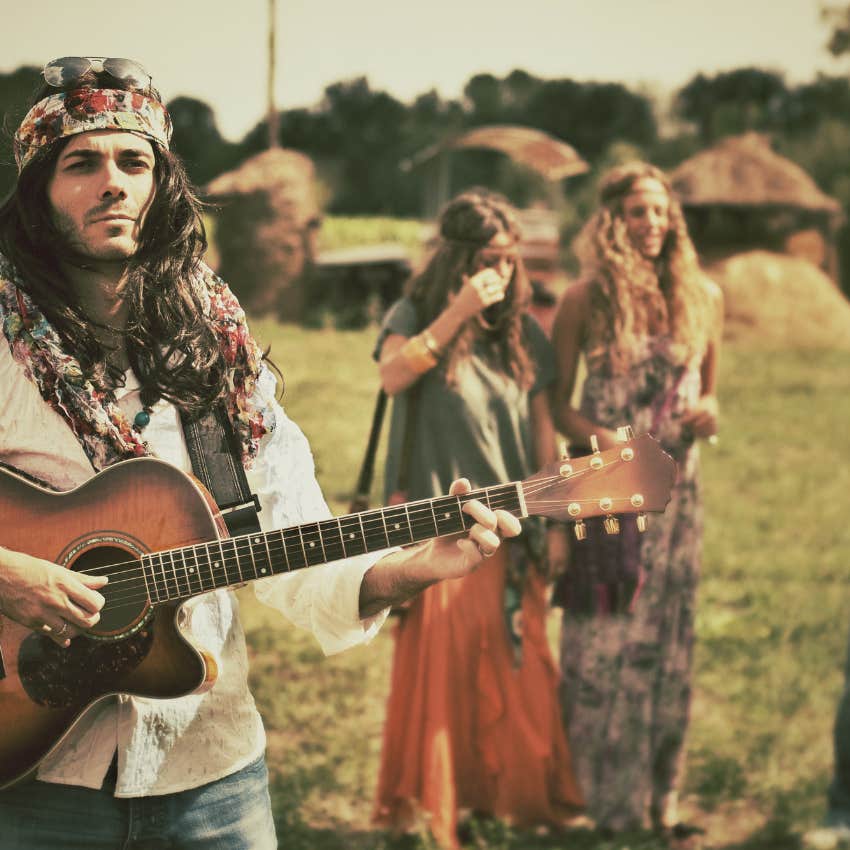
The Vietnam War empowered the hippie movement in an inspiring way. Whether it was sit-ins or burning draft cards, young people made a promise to themselves and each other that they wouldn't let the war machine determine their lives.
Kids in this time were likely not old enough to enlist, but that doesn't mean they didn't learn things. The hippie movement encouraged people to love everyone, no matter what team they're fighting for.
Kids were sometimes taught "make love, not war" to oppose violence. They wanted to build a more loving society, focused on supporting each other.
6. 'Hold your horses'
When someone tells you to "hold your horses," they're telling you to calm down. It's a way of saying you need to take a breath and think through your actions. Kids certainly heard this from their parents, who encouraged them to be more patient.
By learning patience and that not everything was going to happen immediately, kids learned to be grateful for what they had. And it served them well once they became adults.
7. 'No, we won't go'
In response to the Vietnam War, many people were terrified they would be sent overseas to die young. Protests exploded, and the phrase "no, we won't go" became a staple.
Kids who lived in places where people were protesting likely heard this often, especially during marches and rallies. If they watched the news, they may have also had an idea of the message.
Growing up hearing this phrase allowed kids in the 60s and 70s to learn the importance of standing up for what you believe and advocating for yourself. As adults, they understood the importance of independence.
8. 'Going steady'
"Going steady" was a dating term used a few decades ago. While kids growing up in this era may not have been of age to date just yet, it was a term their parents likely repeated.
"Going steady" meant dating someone seriously, and even though people today put less focus on serious commitment, in the 60s and 70s it was a big deal. When kids learned this phrase, it taught them about how important it is to commit, and the value of being a good partner.
9. 'Everything is going to be alright'
 pocstock via Canva
After growing up experiencing political and social upheaval, kids in this time learned that even when things seem crazy, "everything is going to be alright." Even Bob Marley & The Wailers used this message in their song "Three Little Birds."
Once these kids become adults, this phrase helped them have a better life. It prevented them from having anxiety about the state of the world, and that hope will always carry them through.
Lily Bell is a college student studying English and Publications who covers relationships, mental health, and personal narratives surrounding the human experience.

