
Gen Z, Millennials, Gen X & Boomers Have Totally Different Ideas Of What It Means To Be Lonely
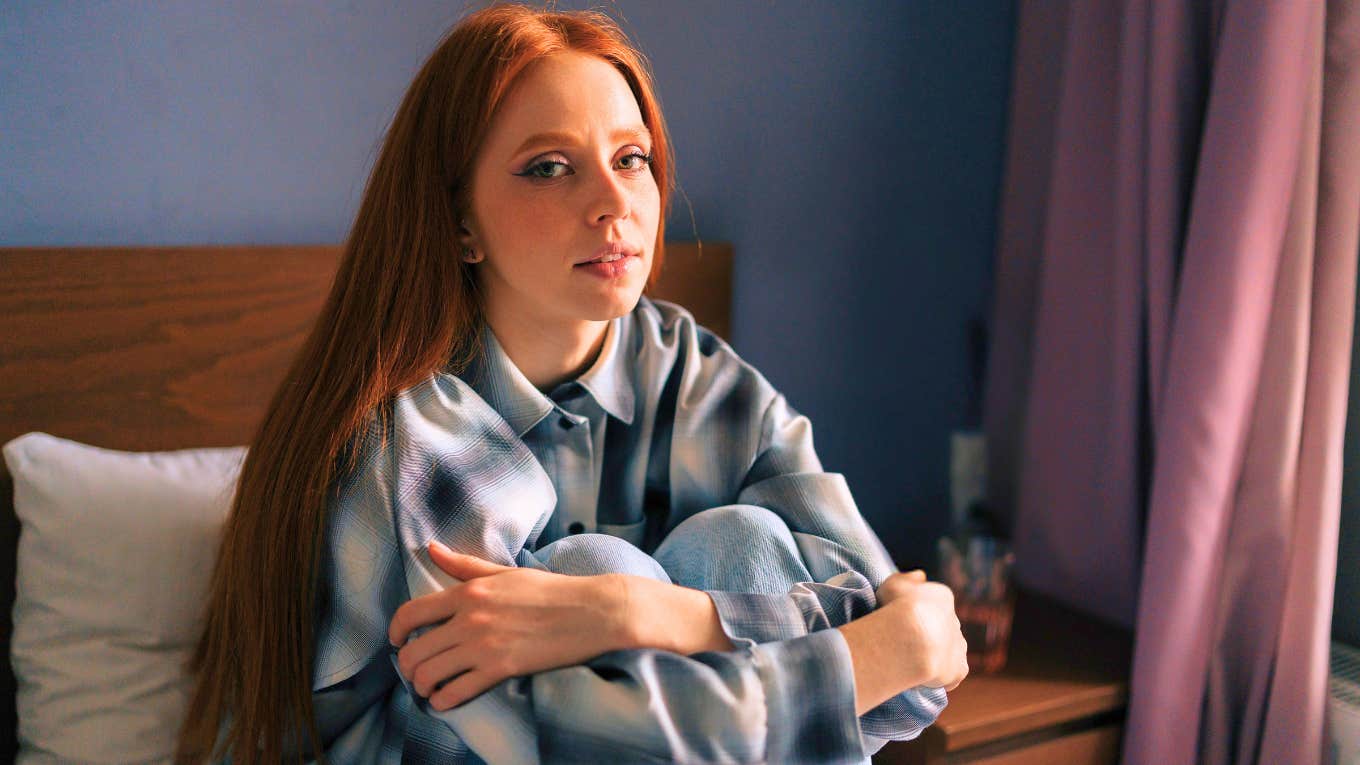 Dikushin Dmitry | Shutterstock
Loneliness isn't one-size-fits-all. Some may struggle with balancing real-world relationships, while others have a hard time with feeling disconnected online. Whichever you resonate with more, it's likely impacted by when you were born.
Just like each generation has different values within their relationships, they also have different emotions that contribute to a sense of being lonely. Between baby boomers, Gen X, millennials, and Gen Z, each feels a certain way about loneliness. Because navigating isolation isn't easy, no matter what age you are.
Gen Z, millennials, Gen X and baby boomers all have their own ideas of what it means to be lonely.
For baby boomers, loneliness looks like the quiet changes that come with getting older.
After decades of building careers and families, as well as friendships and legacies, the major transitions boomers face as they age completely reshape their social world. Retirement means losing everyday interactions at work, and an empty nest is noticeable after having children grow up in the home.
Even when life feels full, those changes can leave a lingering feeling that something is missing.
 fizkes | Shutterstock
Relationships also play a big role. Many grew up in a time when in-person gatherings were highly common in neighborhoods and communities. As those spaces have shifted or even disappeared entirely, maintaining that same level of connection can be challenging.
Loneliness doesn't necessarily mean having no one around. It's also missing the familiarity of traditions that once came naturally. However, aging doesn't automatically mean permanent isolation.
Starting new hobbies and finding other ways to get involved are normal and increasingly accessible for older adults. Having fewer people in their lives isn't loneliness. Instead, it's dependent on the quality of those connections and whether they feel truly seen and valued.
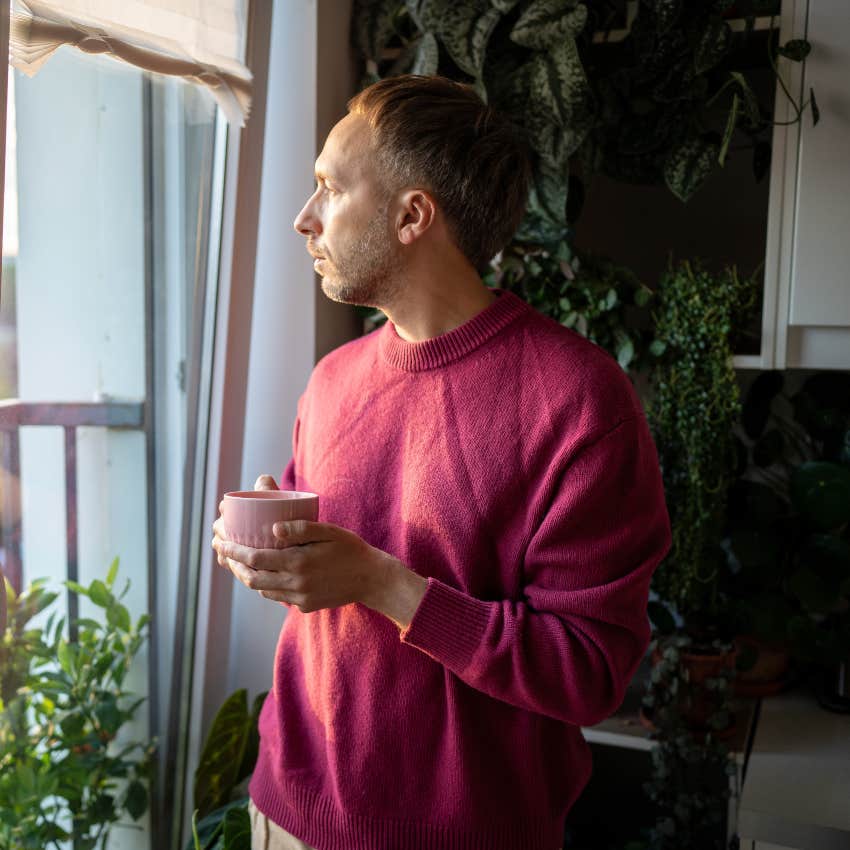
To Gen X, loneliness feels like being caught in the middle.
Loneliness is a bit of a paradox for Gen X. This generation often spends a lot of time with their loved ones, but not in the way others might think. They're sandwiched between caring for aging parents and children who are just entering adulthood and may even still be living at home due to economic constraints.
Members of Gen X find themselves carrying the emotional weight of multiple generations, and that can make them feel like few people can understand their experience.
 DimaBerlin | Shutterstock
They were largely raised with the expectation of self-reliance. Solving problems on their own and keeping their emotions to themselves was normal. That makes it easier for feelings of loneliness to go unnoticed.
Gen X is surrounded by social connections, but they feel unsupported despite having plenty of loved ones around them.
Millennials are loneliest when they're disconnected from a world of digital relationships.
As the first generation to grow up in the digital age, millennials have gotten to experience both the benefits and drawbacks.
Technology has made it simpler than ever to meet people and stay in touch, but it has also blurred the lines between meaningful relationships and surface-level interactions. Many are still left craving deeper connections when things feel superficial.
 VH-studio | Shutterstock
Even those with active social lives have a hard time building the close-knit support systems that previous generations developed easily. Life milestones look a little bit different, and it's far more common for traditional events like owning a home and starting a family to be delayed in favor of education or traveling.
Millennials are at increasingly divided points of their lives, making it harder to find friends in similar places. At the same time, they've helped normalize conversations about mental health and emotional well-being, making them much more likely to recognize and talk openly about feeling lonely.
Having companionship alone isn't enough for millennials. They also want to have relationships where they feel truly understood and accepted.
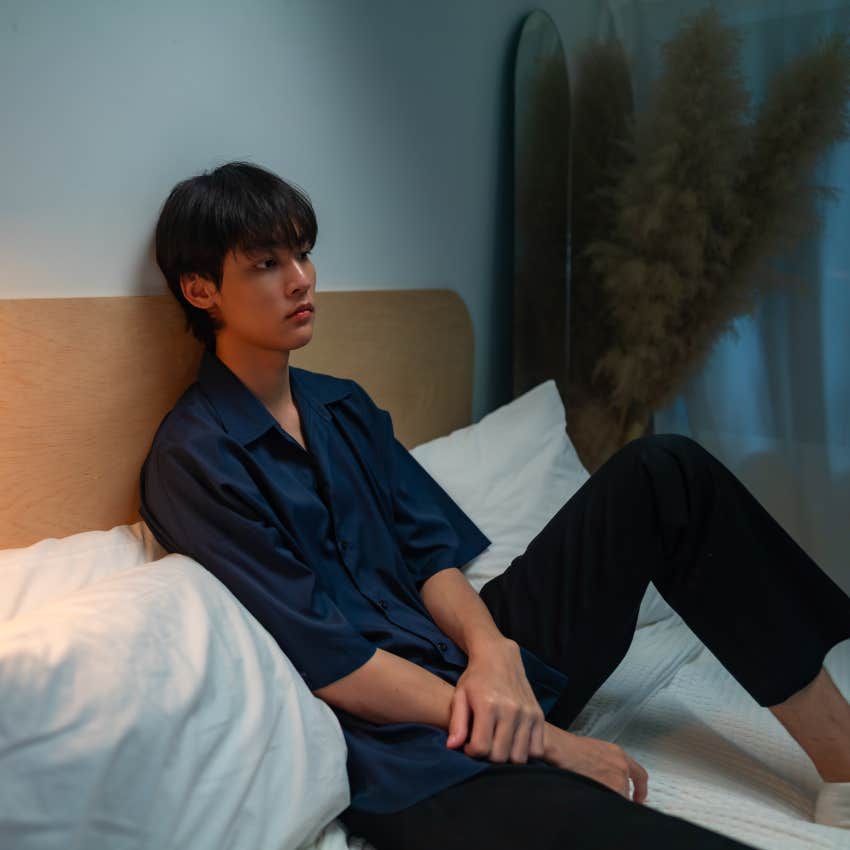
Gen Z sees loneliness as a lack of genuine connections.
Gen Z believes in quality over quantity. They don't need to have the most friends, they just need to have authentic ones. Cell phones and social media make them connected 24/7, yet many find it hard to distinguish between digital interaction and real relationships.
 CandyRetriever | Shutterstock
Many Gen Z adults also entered key developmental years during the pandemic. Between school closures and remote learning, plus social distancing, it all disrupted the friendships and communities they had built.
These experiences had a lasting impact on how they approach socializing, with many still struggling with face-to-face interactions. They find more comfort in technology, despite its negative effects on their well-being.
Being vulnerable about loneliness is totally acceptable and even encouraged, thanks to the normalization of emotional intimacy. Despite having hundreds of online connections, the absence of true closeness can leave Gen Z feeling profoundly alone.
Kayla Asbach is a writer with a bachelor's degree from the University of Central Florida. She covers relationships, psychology, self-help, pop culture, and human interest topics.

