
Sad News For People Who Think They’re Being Nice By Taking Spiders In The House & Releasing Them Outside
 Galina Kovalenko | Shutterstock
Some of us choose to perform the kind act of moving spiders found inside the house to the outside in order to save them. Using a cup or piece of paper, we tenderly transfer the eight-legged critter from our bedroom out to the backyard.
You may think, "Why kill them? They're not doing anything wrong." While this is highly empathetic, the relocation may not be as beneficial as we believe. The reality of the situation is that these arachnids are actually indoor spiders, meaning that their survival rate outside is very low.
The spiders found within your home are 'indoor spiders,' and have a low probability of surviving outdoors.
While you may think you're doing the arachnid a service, the outdoors are harmful for indoor spiders. According to an arachnologist, if you relocate an indoor spider to the outside, it is likely that it will die. The key distinction is that these spiders are specifically indoor spiders and not just spiders found in the home; a large portion of the spider population within a home falls under the indoor spider category. In fact, only 5% of indoor spiders have ever been outdoors.
The common house spider, otherwise known as Parasteatoda tepidariorum, is said to have originated from South America. The species likely came over to North America through commercial shipping and is different than your average garden spider (Argiope). Since the house spider is unaccustomed to outdoor environments within America, but is familiar with the conditions within human-made architecture, their survival rate is very low out "in the wild".
A common misconception about the species is that they come inside when the weather gets colder, particularly in the fall. However, the reasoning for this pattern actually has to do with their mating season.
The mating season for house spiders falls during late summer, on the cusp of fall, hence the pattern recognition. Male spiders are more likely to be found throughout the house as they are searching for partners to mate with. Females and offspring will often be hidden in crevices in furniture, walls, floorboards, and more.
It may seem that spiders are intruding upon your space, but the creatures have evolved to live within homes dating back to the Roman Empire. The spiders you see in your house are likely part of a larger, hidden population, ranging from 50 to hundreds. These extraordinary populations are produced through egg sacs, which are hundreds of eggs housed in tightly bound silk.
This number may make homeowners uncomfortable, especially those with arachnophobia, but house spiders are actually quite harmless. Rod Crawford, a curator of arachnids at the Burke Museum of Natural History and Culture in Seattle, states that it's rare for these spiders to bite people.
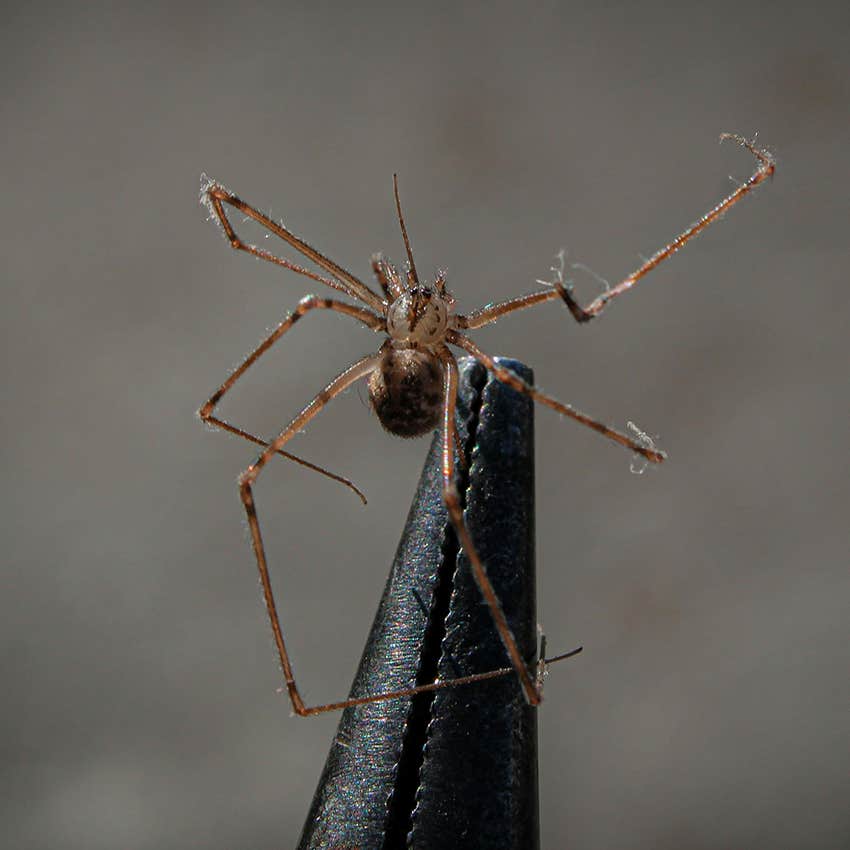
House spiders are a great source of pest control within your home.
If you're looking to cut back on the pesky gnats, flies, or mosquitoes making their way into your home, then you're in luck. House spiders feed on these pests, cutting back on the number of bugs within your home.
 Cristian Ortega | Pexels
Studies show that spiders eat up to 2,000 household pests per year. Considering the statistic that there are nearly 100 different types of insects living within your home, this is a major reduction.
Insects like termites, roaches, and other prey to spiders can cause severe damage to your home and cost you thousands of dollars. Pests eat at insulation, hardwood, support beams, and even wall studs. By allowing house spiders to co-habitat with you, you're being most cost-efficient and environmentally friendly. So, really, we should be thankful for the misunderstood creatures.
What to do instead of catching and releasing indoor spiders.
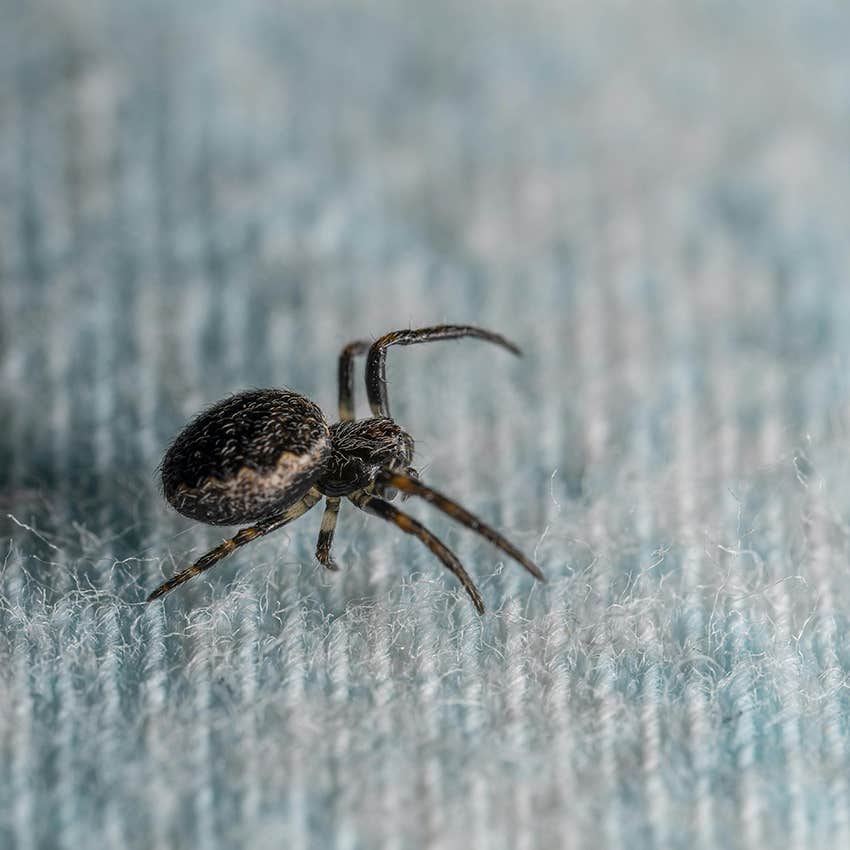
Even though indoor spiders cannot live outside, that doesn't mean we should stop showing empathy towards nature. The best practice would be to simply ignore the arachnids you find due to their harmless, even positive, behavior. But if you're uncomfortable with this notion, then you can move them to indoor spaces that you frequent less, like the garage or attic.
 Rino Adamo | Pexels
Having spiders around the house not only cuts back on pests, but it can also be a form of exposure therapy for those with arachnophobia. Having positive experiences with fears can formulate new feelings, and these arachnids are not looking to harm you.
So, if you see an indoor spider crawling in the corner of your shower or bedroom floor, just remember: It lives there full-time, too, making you two roommates.
Gabrielle Mattes is a writer working towards a Creative Writing degree. Her focus is lifestyle, wellness, human interest, and relationships.

