
You Can Tell Someone's Frontal Lobe Is Fully Developed When They Start Showing Interest In 6 Things
 oneinchpunch via Canva
The frontal lobe is responsible for a lot of different things, including problem-solving and managing emotions. It matures roughly around peoples' mid-20s to 30s, which is usually why you'll often see teenagers making poor decisions before theirs has developed fully.
But as people mature, it becomes more obvious that their frontal lobe is fully developed when they suddenly become interested in some niche hobbies. It turns out that the more our brains mature, the more we feel compelled to pursue things that our younger selves would have scoffed at.
A person's frontal lobe is fully developed when they're interested in these things
1. Solving puzzles
 antoniodiaz | Shutterstock
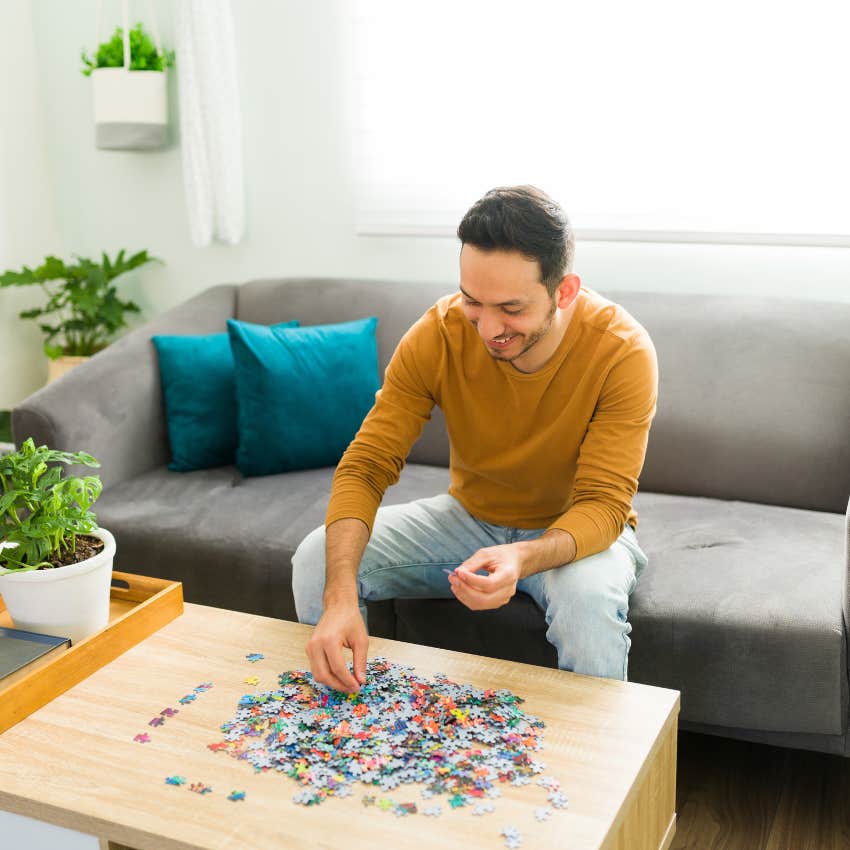
While some people make fun of older individuals for enjoying puzzles, the truth is that this hobby is incredibly beneficial for brain health. Even if young people don't enjoy sitting down for hours to solve physical puzzles, when their frontal lobe has developed, they may find themselves taking part.
Solving puzzles does many great things for the brain. It releases dopamine, a feel-good chemical, and improves short-term memory. Plus, it's a great way to steer clear of screen time after a long day.
2. Gardening
As a person's frontal lobe matures, they tend to have a higher tolerance for processes that require patience and delayed gratification. Gardening is a hobby that allows people to connect with nature by using their hands. It gives them a sense of purpose tending to something living.
But gardening also protects the brain's natural aging process. According to a study published in the Journal of Environmental Psychology, gardening improves cognitive function for older individuals, as well as reducing stress. The benefits are lasting, and people can reap the rewards of literally eating what they sow.
3. Walking
While running or riding a bike as a kid was fun, walking never seemed interesting. It was often a grueling exercise that offered no stimulation. But for someone whose frontal lobe has developed, walking around for the sake of it often piques their interest.
It allows us to soak in our surroundings, rejuvenating ourselves and getting fresh air along the way. Plus, we can walk and talk with a friend, which combines all the benefits of a hobby that protects the brain: physical activity and mental stimulation, along with socialization.
4. Learning a new language
Back in school, we were expected to learn a language over the years, or maybe we picked up some lingo from friends and family. However, a lot of people become genuinely interested in learning a new language the older they get. They see the inherent value in learning it because they want to connect to their roots, or simply because it's fun and engages the brain.
Learning a new language, especially later in life, is one of the most effective exercises for the mind. For older people, it even helps against the risk of dementia. And once someone's own brain is developed enough to find a new language interesting, they're doing themselves a big favor.
5. Knitting or crocheting
 AnnaStills | Shutterstock
While many consider these hobbies to be for grandmas, knitting and crocheting both involve the perfect amount of complexity to be incredibly relaxing but still stimulating. While many young people would never think to try it out, they may find themselves becoming increasingly more interested as they grow older.
Not only does it help people zone out, but it allows individuals to feel grounded and relaxed. Doing repetitive motions while also holding something in their hands boosts mood and forces them to concentrate on the task at hand.
6. Joining a book club
Reading is the perfect brain workout. While young people are often told to read from a young age, usually to build their vocabulary or develop comprehension skills, they may not exactly find it fun, especially when being on their phone is more entertaining. But once their frontal cortex has developed fully, a book club seems like the best way to spend their time.
They're eager to share their hobby with a group of like-minded folks. Book clubs are a great way to strengthen the brain while simultaneously enjoying the company of other people. Child and family therapist Heather Rose Artushin put it perfectly by saying, "Community-building, personal growth and development, and a greater sense of self-confidence await at your next book club gathering."
Luke Aliga is a writer with a degree in Technical Writing and Communication who covers relationships, culture, and human interest topics.

